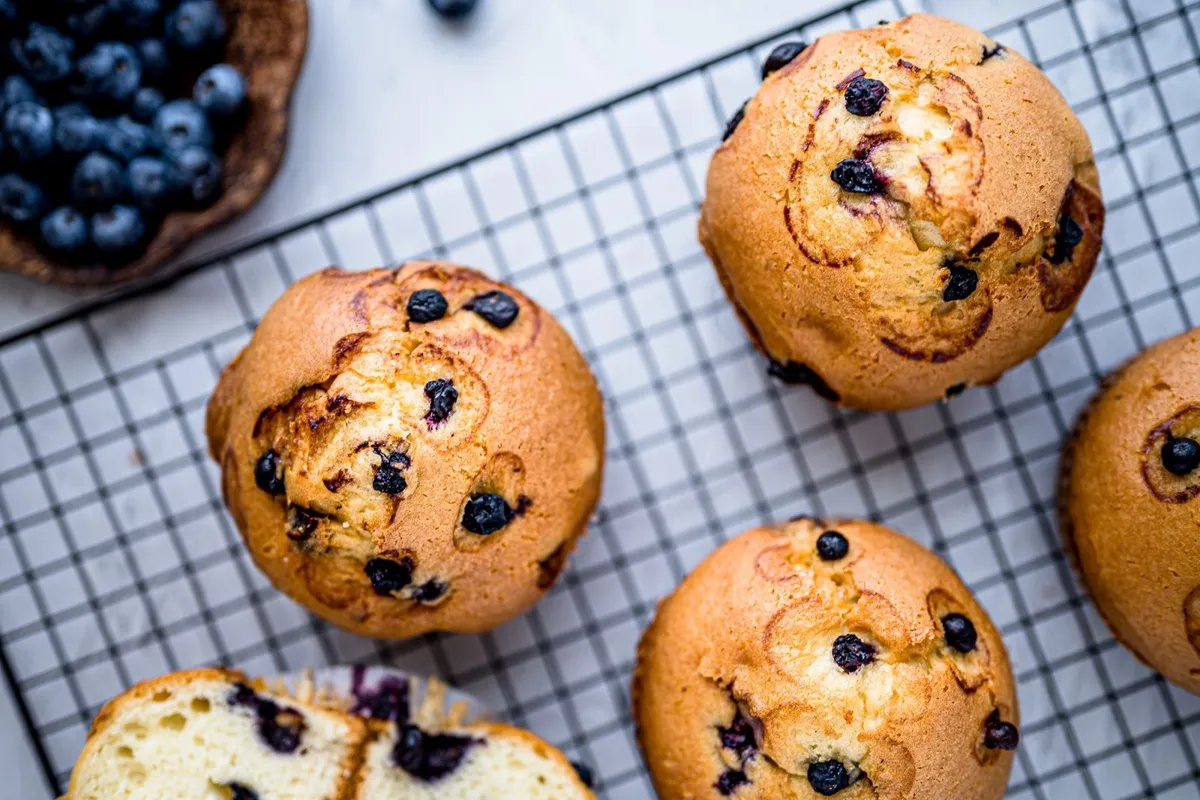
Official Storage Guidelines for Costco Muffins
🇺🇸 USDA Guidelines
🇬🇧 FSA Guidelines
Disclaimer: This information is provided for general guidance only. It is based on publicly available USDA and FSA recommendations at the time of publication. Storage times may vary depending on handling, packaging, and storage conditions. Always check official sources and use your best judgment to ensure food safety.
This guide contains Amazon affiliate links, marked ↗. If you buy through one, we may earn a commission at no extra cost to you. Learn more about affiliate links.
Frequently Asked Questions
What is the best freezer setup for Costco's oversized muffins?
Costco muffins are large enough that portioning matters. Decide whether one muffin is a serving, cut any smaller portions while the crumb is fresh, then wrap every whole muffin or half closely. Gather wrapped portions in an airtight bag or rigid container so the domed tops are not crushed.
Prepared muffins can remain frozen for several months, but large, moist Costco muffins taste best sooner. Aim to use them within 2 to 3 months, especially fruit varieties or muffins stored in a bag that is opened often.
Label the flavor and portion size. A package marked blueberry halves is more useful than a bag of indistinguishable frozen domes, and it keeps the remaining portions sealed while one breakfast thaws.
Should you freeze Costco muffins whole or halved?
Both work. Freeze a whole muffin when you want the softest center and plan to eat the full portion. Halving first makes sense for smaller breakfasts, faster thawing or toasting. Cut cleanly across the middle, place a small piece cut from a pre-cut parchment sheet(affiliate link, opens Amazon) between the halves and wrap them together or separately.
The exposed cut face dries faster than an intact crust, so press wrap directly against it. If you expect to toast the half, that slight exposure is less noticeable. Do not cut a partially frozen muffin with a table knife because the rounded top can slip.
Should the paper liner be removed before freezing?
Usually no. A dry, intact liner protects the sides, reduces handling and peels away cleanly once the muffin has thawed. Remove it only if it is greasy enough to slide off, torn, or damp from fruit juices.
The liner is not a substitute for wrapping. Wrap over it, then place the muffin in an airtight outer package. Peel the liner away before microwaving if it contains metallic decoration or if you are unsure whether it is microwave-safe.
Do blueberry, chocolate and seasonal Costco muffins freeze differently?
Blueberry and chocolate cake-style muffins both freeze well. Blueberries release a little moisture as they thaw, so thaw blueberry muffins on a plate rather than inside loose paper. Chocolate varieties can be warmed gently, but excessive microwave time melts chips while drying the crumb.
Most seasonal muffins use the same method. A pumpkin or apple crumb muffin may soften at the topping, while a cream- or custard-filled special should thaw in the refrigerator. The filling, not the Costco label, determines whether counter thawing is appropriate.
How do you thaw and reheat a frozen Costco muffin?
For an intact cake-style muffin, thaw it while wrapped on the counter, or move it to the refrigerator overnight. Unwrapping after it reaches room temperature keeps condensation on the wrapper rather than the crumb. A half can go directly to a toaster oven.
For a warm result, microwave at reduced power in short bursts, checking after each one. A moderate oven gives a better crust: unwrap, loosely cover with foil at first, then uncover briefly. The exact time depends on whether the muffin is whole, halved, thawed or frozen, so use texture rather than an arbitrary long blast.
How long do frozen Costco muffins retain good quality?
Plan on 2 to 3 months for the best balance of moist crumb and fresh flavor. Frozen food kept continuously at 0°F (-18°C) remains safe much longer, but a muffin slowly loses moisture and absorbs freezer odors.
Double protection matters for these large muffins because the clamshell leaves them exposed to air. Individually wrap each portion, then gather them in a large airtight freezer bag(affiliate link, opens Amazon). Label the variety as well as the date so chocolate and blueberry do not become frozen guesswork.
Costco Muffins Freezing and Storage Guide
Costco’s bakery clamshell is built for display and carrying, not long freezer storage. Its air gaps allow moisture to escape, which turns an otherwise tender muffin dry and stale. Remove every muffin before freezing, even if the dozen is unopened.
How to Freeze Costco Muffins
- Decide whether each oversized muffin is a full serving or two halves.
- Keep a clean, dry paper liner in place. Wrap the muffin closely in freezer wrap or foil.
- Put the wrapped portions in an airtight bag or rigid container. Do not crush the domed tops.
- Label the flavor and date, then freeze promptly.
Counter thawing suits plain cake-style muffins. Refrigerator thawing is slower but appropriate for any perishable filling. A microwave supplies the familiar warm, soft crumb, while an oven or toaster oven restores more contrast between the outside and center.
For reheating, match the method to the portion. A halved muffin can go cut-side up into a toaster oven; a whole frozen muffin needs gentler heating so the edge does not dry before the center softens. Microwave at reduced power in short checks, or use moderate oven heat and loose foil before uncovering briefly.
The same fundamentals apply to standard muffins, but Costco’s size changes portioning and reheating. Costco croissants need more protection from crushing because their flaky layers are much more fragile than a muffin crumb.
Costco muffins may remain usable beyond 2 to 3 months, but the crumb gradually dries and fruit flavors fade. Freezing them while fresh, wrapping each portion closely and keeping the bag sealed matter more than squeezing out an extra month.
Editor's Picks
Gear Worth Buying for Costco Muffins
Reynolds Kitchens Pre-Cut Parchment Baking Sheets, 100 Total
Cuts into non-stick separators for muffin halves without adding bulk beneath the outer freezer wrap.
Shop on AmazonStasher Stand-Up Mid Reusable Silicone Bag (56 oz)
A premium, reusable stand-in for disposable freezer bags - freezer, oven, and dishwasher safe.
Shop on AmazonRubbermaid Brilliance Airtight Food Storage Containers, 24-Piece Set
A complete, leak-proof set that covers nearly any portion size this guide calls for.
Shop on Amazon
As an Amazon Associate, we earn from qualifying purchases.
Important Safety Guidelines
- Freeze muffins while fresh, not after mold or an off odor develops.
- Cool any warmed muffin completely before wrapping it again.
- Remove muffins from the vented clamshell; it is not airtight freezer packaging.
- Wrap portions closely, then place them in a freezer bag or rigid container to limit freezer burn and crushing.
- Refrigerate muffins with perishable cream, custard or cheesecake-style fillings and thaw those varieties in the refrigerator.
- Keep the freezer at 0°F (-18°C) or below.
Key Safety Reminders
- Always label containers with freezing date
- Use airtight containers to prevent freezer burn
- Follow proper thawing procedures
You Might Also Like

Can You Freeze Muffins?
Yes, muffins freeze very well, whether you freeze them already baked or freeze the raw batter to bake fresh later. Wrapped airtight and kept at 0°F (-18°C) or below, baked muffins hold good quality for roughly 3 to 6 months, and most bakers find 3 months the point where texture is still at its best. Raw muffin batter can also go straight into the freezer, portioned into a muffin tin, for about a month, which is a genuinely useful trick if you only want two muffins fresh out of the oven instead of a full dozen. What doesn't survive the freezer well is anything added after baking: a cream cheese filling, a glaze, or fresh butter, so freeze muffins plain and add those once they're thawed.

Can You Freeze Costco Croissants?
Yes, Costco croissants freeze well for about 1 to 2 months at their best quality. Remove them from the clamshell, freeze them while fresh and protect each croissant from both air and crushing. Reheat from frozen or thawed in an oven or air fryer to revive the flaky exterior. Avoid the microwave when crisp layers matter.

Can You Freeze Blueberries?
Yes, you can freeze blueberries, and the counterintuitive part is that you shouldn't wash them first. The National Center for Home Food Preservation is specific that washing before freezing toughens the skin, so pick over the berries for stems and soft ones, skip the rinse, and freeze them dry. Spread them in a single layer on a tray until solid, then bag them, and they'll hold good quality for about 8 to 10 months in the US (closer to 3 months under UK guidance). Wash them after they've thawed, or straight out of the freezer if you're eating them frozen, not before they go in.
Can You Freeze Cake?
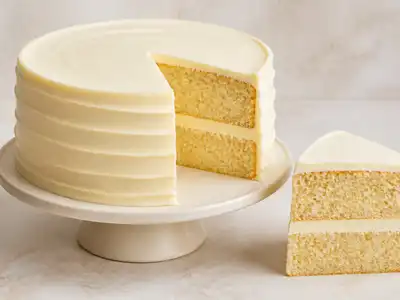
Yes, you can freeze cake, and for most types it works very well. Plain or buttercream-frosted cake holds good quality for roughly 3 to 6 months in the freezer, while cakes topped with egg-white frostings, custard fillings, or fondant hold up far worse and are better off frozen plain. Layer cakes, sponge cakes, and sheet cakes all freeze the same basic way: cool completely, wrap airtight in a rigid container so nothing gets crushed, and keep the freezer at 0°F (-18°C) or below. Cheesecake behaves differently enough, thanks to its dense dairy filling, that it's worth checking the dedicated cheesecake freezing guide rather than treating it like an ordinary cake.
Sources & References
This information is based on official guidelines from trusted food safety authorities:
Food Storage Guidelines for Consumers
View Source →Freezer Storage
View Source →Freezing and Food Safety
View Source →How to chill, freeze and defrost food safely
View Source →
About the Author

Disclaimer
The information on this website is provided for general informational purposes only. While we work to keep our food storage and freezing guides accurate and current, we are not food safety professionals, nutritionists, or medical experts, and our recommendations may not account for every individual circumstance, product type, or storage condition.
Always consult official food safety guidance (such as your national food safety agency) and use your own judgment before consuming stored or frozen food. CanIFreeze.com assumes no responsibility or liability for any loss, damage, illness, or other adverse outcome resulting from reliance on the information provided on this site.
CanIFreeze.com is a participant in the Amazon Associates Program, an affiliate advertising program designed to provide a means for sites to earn advertising fees by linking to Amazon.com and its affiliated sites. As an Amazon Associate we earn from qualifying purchases made through links on this site, at no extra cost to you. Product links are clearly marked where they appear.
Disclaimer date: