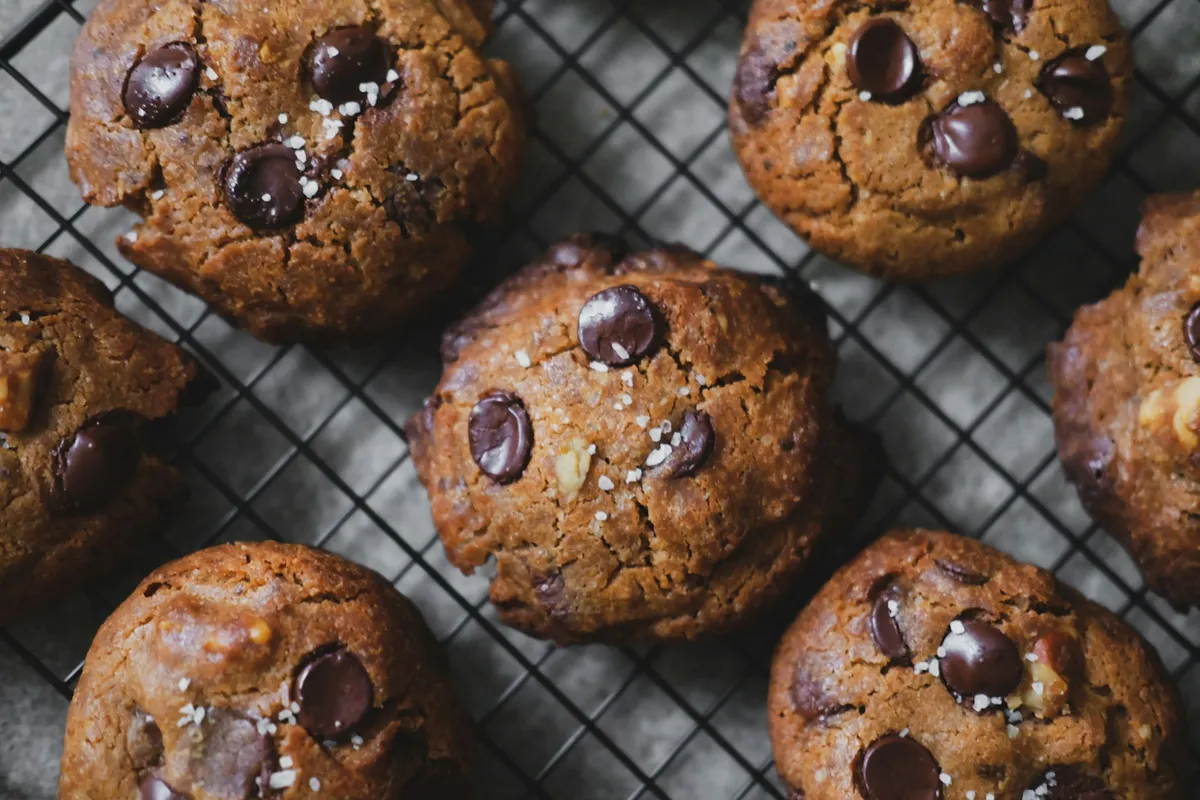
Official Storage Guidelines for Cookies
🇺🇸 USDA Guidelines
🇬🇧 FSA Guidelines
Disclaimer: This information is provided for general guidance only. It is based on publicly available USDA and FSA recommendations at the time of publication. Storage times may vary depending on handling, packaging, and storage conditions. Always check official sources and use your best judgment to ensure food safety.
This guide contains Amazon affiliate links, marked ↗. If you buy through one, we may earn a commission at no extra cost to you. Learn more about affiliate links.
Frequently Asked Questions
Is it better to freeze cookies or cookie dough?
Freeze finished cookies when instant serving matters, since a fully baked cookie only needs a short stop on the counter. Freeze cookie dough when a fresh-baked aroma and a crisp edge later matter more than convenience today. Drop-cookie dough is especially handy pre-scooped into portions, because you can pull two or twelve straight from the bag without committing the whole batch to the oven.
There is a real trade-off buried in that choice. Baked cookies lose a little crumb and snap with each freeze-thaw cycle, but dough loses almost nothing, since it never went through a texture-setting bake in the first place. If you bake often and unpredictably, keeping a tub of pre-portioned dough balls in the freezer is arguably the more useful habit of the two.
Whatever you choose, do not taste raw dough to check the flavor balance before baking. The FDA has been explicit since a string of E. coli and Salmonella outbreaks linked to raw flour that untreated flour can carry harmful bacteria that only baking eliminates, and freezing the dough first does nothing to change that. That warning applies even to dough that looks and smells perfectly fine.
Can you freeze cookies with icing or filling?
It depends heavily on what kind of icing. Clemson University's Home & Garden Information Center, drawing on tested USDA-era prepared-foods research, found that fudge frosting and powdered-sugar icings made with fat freeze well, while cooked candy-type frostings often stay soft between layers but crack and crumble on the outside once thawed. Royal icing that has fully hardened tends to survive freezing reasonably intact because it is essentially a dried sugar shell rather than a fat emulsion.
Custard fillings, watery jam, and egg-white icings are the least predictable. The same extension research flags egg-white and meringue-based toppings as prone to weeping and stickiness after a freeze-thaw cycle, because the whipped protein structure that gives them their texture does not survive ice crystal formation.
For gift-quality decoration, the safest strategy is still to freeze plain cookies and decorate after thawing. That sidesteps the guesswork entirely. If you do freeze cookies already filled or iced, keep them in a rigid airtight container(affiliate link, opens Amazon) rather than a bag, so stacking pressure does not squeeze filling out through the seams or crack a decorated surface.
How do you keep frozen cookies crisp?
Cool cookies fully before they ever touch a container, and never pack a crisp cookie in the same layer as a soft one. Soft cookies continually shed a small amount of moisture, and that moisture migrates into anything drier nearby even inside a sealed container, because water vapor moves toward the lower-moisture item until the two equalize. Put a sheet of parchment or wax paper between every layer so cookies are not resting directly on each other, and press out as much air as the container allows.
Thaw crisp cookies uncovered once you take them out of the freezer. Leaving them wrapped while they warm up traps the same condensation problem you were trying to avoid in the first place, since the cookie is colder than the surrounding air and will fog with moisture the moment humid air reaches its surface. A few minutes in a low oven, around 300°F (150°C), restores snap far better than a microwave, which adds moisture rather than removing it.
Big batches are easier to manage split by texture from the start. Freeze shortbread, biscotti, and other crisp bakes in one container and soft drop cookies, like chocolate chip or oatmeal styles, in another, even if they are going into the same holiday tin eventually.
Can frozen cookies be refrozen?
Plain baked cookies can generally be refrozen if they stayed clean, dry, and mold-free during their time out of the freezer, according to Utah State University Extension guidance on recovering food after a freezer outage, though expect a noticeably drier texture with each additional cycle. Refreeze only once if you can help it, and rewrap tightly rather than reusing a container that has already let in some air.
Treat cream- or custard-filled cookies as a different category entirely. They behave like any other dairy-filled perishable food: once thawed and left out, they should be eaten or discarded, not refrozen, especially if they sat at room temperature for more than two hours.
If a whole batch thawed unintentionally, for example during a power outage, the more reliable move is often to fold softened cookies into a trifle, crumble them over ice cream, or use them as a pie crust base rather than refreezing them plain and hoping for the best on texture.
How long do cookies actually last in the freezer?
Sources genuinely differ here, and it is worth knowing why. Clemson HGIC's tested prepared-foods guidance lists 6 months for both baked cookies and unbaked cookie dough when they are well wrapped in foil or a rigid container with waxed paper between layers. That figure assumes a plain, sturdy cookie without a fussy filling or a delicate glaze.
A narrower 2 to 3 month window is the safer planning number for anything iced, sandwich-filled, or made with a high proportion of butter and sugar that is prone to picking up freezer odors, since those qualities degrade faster than a plain drop cookie's crumb does. Neither number is a safety cutoff. The National Center for Home Food Preservation is consistent on this point across every food category: properly frozen food stored at 0°F (-18°C) stays safe indefinitely, and freezer time only affects flavor, texture, and appearance.
In practice, label the bag with the bake date and treat 3 months as the point where you start prioritizing that batch, not a deadline where the cookies suddenly go bad. A shortbread or biscotti at 5 months is usually still very good. A cream-filled sandwich cookie at 5 months is a gamble.
Do you need to thaw cookies before eating them?
No, and for most plain baked cookies you do not need to thaw them at all before serving. The National Center for Home Food Preservation notes that precooked breads, cakes, and cookies without cream fillings can be thawed right at room temperature, and in practice many people eat a frozen chocolate chip cookie straight from the freezer with no complaints, since the fat content keeps it from freezing rock-hard the way, say, a slice of bread does.
For the best texture rather than just edibility, give plain cookies 10 to 15 minutes on the counter still wrapped. That is enough time for the crumb to relax without inviting condensation onto the surface. Cream-filled or custard cookies are the exception: thaw those in the refrigerator, the same way you would any other dairy-based leftover, so the filling stays at a safe temperature the whole time it is coming up to serving temperature.
Cookies Freezing and Storage Guide
Cookies are one of the most forgiving things you can put in a freezer, but “cookies” is really shorthand for a dozen different products with different freezer behavior. A crisp shortbread, a chewy chocolate chip, and a cream-filled sandwich cookie are not the same freezing project, even though they will happily share a shelf.
How to Freeze Baked Cookies
Cool cookies completely on a rack, not just until they feel room-temperature on top, since the underside and center can still be releasing steam well after the surface stops feeling warm. Tray-freeze anything sticky, iced, or delicate for an hour first so pieces firm up without touching, then stack them with parchment or wax paper between layers in a rigid container. Clemson HGIC’s tested guidance specifically calls for two layers of waxed paper between cookies packed in foil or a rigid container, which is a level of care most home bakers skip and then wonder why their holiday tin comes out fused together. A reusable freezer bag(affiliate link, opens Amazon) works fine for sturdy, uniced cookies like oatmeal or chocolate chip once excess air is pressed out, but pre-cut parchment sheets(affiliate link, opens Amazon) make the layering step fast enough that you will actually bother doing it for a big batch.
Thawing Without Condensation
Thaw soft cookies inside their closed container so the moisture they release stays trapped in the packaging rather than fogging onto a nearby crisp cookie. Do the opposite for anything meant to be crunchy: unwrap it while still frozen and let it come up to temperature exposed to air, so surface moisture evaporates instead of condensing. For adjacent baking projects with their own freezer quirks, see cake, muffins, and bread. If the goal is a laminated, buttery bake like a croissant rather than a drop cookie, the concerns shift toward protecting flaky layers rather than crumb texture, which is covered in the pastries guide.
Cookies That Need Special Handling
Meringues, custard-filled sandwich cookies, and wet-glazed cookies are the poor candidates in the cookie world. Meringue toughens and can stick stubbornly to its wrapper once frozen, according to the same Clemson prepared-foods research that covers pie toppings, and a similar starch-and-egg structure is at work in a lot of meringue-based cookies. Freeze the sturdy components on their own and add delicate fillings or wet decoration fresh, closer to serving.
An Insider Habit Worth Adopting
Bakers who freeze cookies regularly tend to keep two separate freezer zones rather than one mixed bag: a “ready to eat” container of finished cookies near the front, and a back-of-freezer stash of pre-portioned raw dough balls for whenever a fresh-baked craving hits. The dough stash solves the problem finished cookies cannot, since nothing beats an actually warm cookie, and a frozen dough ball goes from freezer to oven with only a couple of extra minutes of bake time. Just remember the same flour-safety rule applies to dough at every stage of that process: never taste it before it is fully baked.
Editor's Picks
Gear Worth Buying for Cookies
Reynolds Kitchens Parchment Baking Sheets (100-Count)
Pre-cut sheets are the fastest way to build clean, non-stick layers between stacked cookies so soft and crisp varieties never fuse together in the freezer.
Shop on AmazonStasher Stand-Up Mid Reusable Silicone Bag (56 oz)
A premium, reusable stand-in for disposable freezer bags - freezer, oven, and dishwasher safe.
Shop on AmazonRubbermaid Brilliance Airtight Food Storage Containers, 24-Piece Set
A complete, leak-proof set that covers nearly any portion size this guide calls for.
Shop on Amazon
As an Amazon Associate, we earn from qualifying purchases.
Important Safety Guidelines
- Cool baked cookies completely before packing; trapped steam becomes frost and softens crisp cookies.
- Do not taste raw flour-based dough. FDA says flour is a raw food and cooking is the kill step.
- Freeze cream cheese, custard, or dairy-filled cookies promptly and thaw them in the refrigerator.
- Separate allergen-containing varieties and label nuts, gluten, dairy, and egg clearly.
- Discard cookies with mold or a rancid odor; freezing does not reverse spoilage.
- Keep recalled flour or baking mixes out of both dough and finished cookies.
- Freeze cooked candy-style frostings separately if possible; university extension testing shows they often crack and crumble once thawed.
Key Safety Reminders
- Always label containers with freezing date
- Use airtight containers to prevent freezer burn
- Follow proper thawing procedures
You Might Also Like
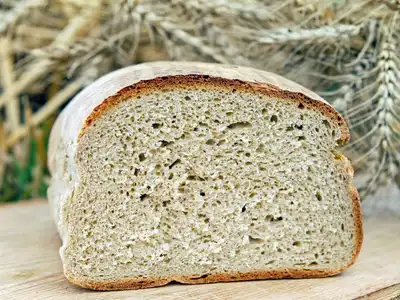
Can You Freeze Bread?
Yes, bread is one of the best foods you can freeze - in fact, freezing is the single best way to store bread beyond a day or two, better than the counter and much better than the fridge. Wrapped well and frozen at 0°F (-18°C), a loaf holds its texture and flavor for 3-5 months, and slices go straight from freezer to toaster with no real quality hit. The one thing freezing can't fix is bread that's already stale or moldy going in, so freeze it while it's fresh, not as a last resort.
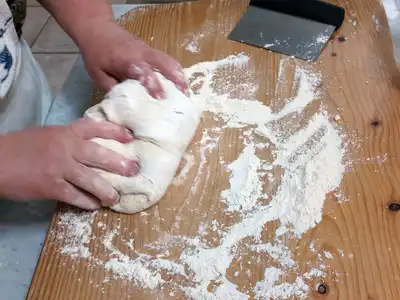
Can You Freeze Bread Dough?
Yes, you can freeze yeast bread dough, but home-frozen dough may rise less than fresh dough because slow freezing damages yeast and weakens gluten. For the most predictable result, use a freezer-dough recipe, freeze shaped portions after the first rise, seal them well, and use them within 1 month.
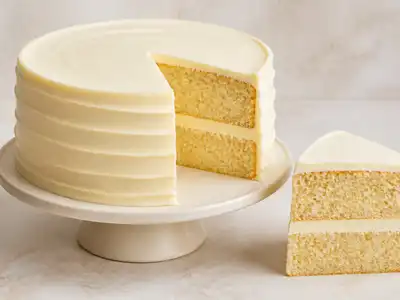
Can You Freeze Cake?
Yes, you can freeze cake, and for most types it works very well. Plain or buttercream-frosted cake holds good quality for roughly 3 to 6 months in the freezer, while cakes topped with egg-white frostings, custard fillings, or fondant hold up far worse and are better off frozen plain. Layer cakes, sponge cakes, and sheet cakes all freeze the same basic way: cool completely, wrap airtight in a rigid container so nothing gets crushed, and keep the freezer at 0°F (-18°C) or below. Cheesecake behaves differently enough, thanks to its dense dairy filling, that it's worth checking the dedicated cheesecake freezing guide rather than treating it like an ordinary cake.
Can You Freeze Cheesecake?
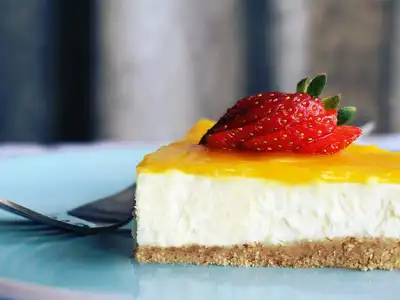
Yes, you can freeze cheesecake for up to 3 months with excellent results. The high fat content from cream cheese makes it ideal for freezing. Wrap it tightly after chilling to prevent freezer burn, and always thaw in the refrigerator overnight. Skip adding toppings until after thawing for best quality.
Sources & References
This information is based on official guidelines from trusted food safety authorities:
Flour Is a Raw Food and Other Safety Facts
View Source →Ask an Expert: What to Do When the Freezer Goes Out
View Source →Freezing Prepared Foods
View Source →Thawing and Preparing Foods for Serving
View Source →
About the Author

Disclaimer
The information on this website is provided for general informational purposes only. While we work to keep our food storage and freezing guides accurate and current, we are not food safety professionals, nutritionists, or medical experts, and our recommendations may not account for every individual circumstance, product type, or storage condition.
Always consult official food safety guidance (such as your national food safety agency) and use your own judgment before consuming stored or frozen food. CanIFreeze.com assumes no responsibility or liability for any loss, damage, illness, or other adverse outcome resulting from reliance on the information provided on this site.
CanIFreeze.com is a participant in the Amazon Associates Program, an affiliate advertising program designed to provide a means for sites to earn advertising fees by linking to Amazon.com and its affiliated sites. As an Amazon Associate we earn from qualifying purchases made through links on this site, at no extra cost to you. Product links are clearly marked where they appear.
Disclaimer date: