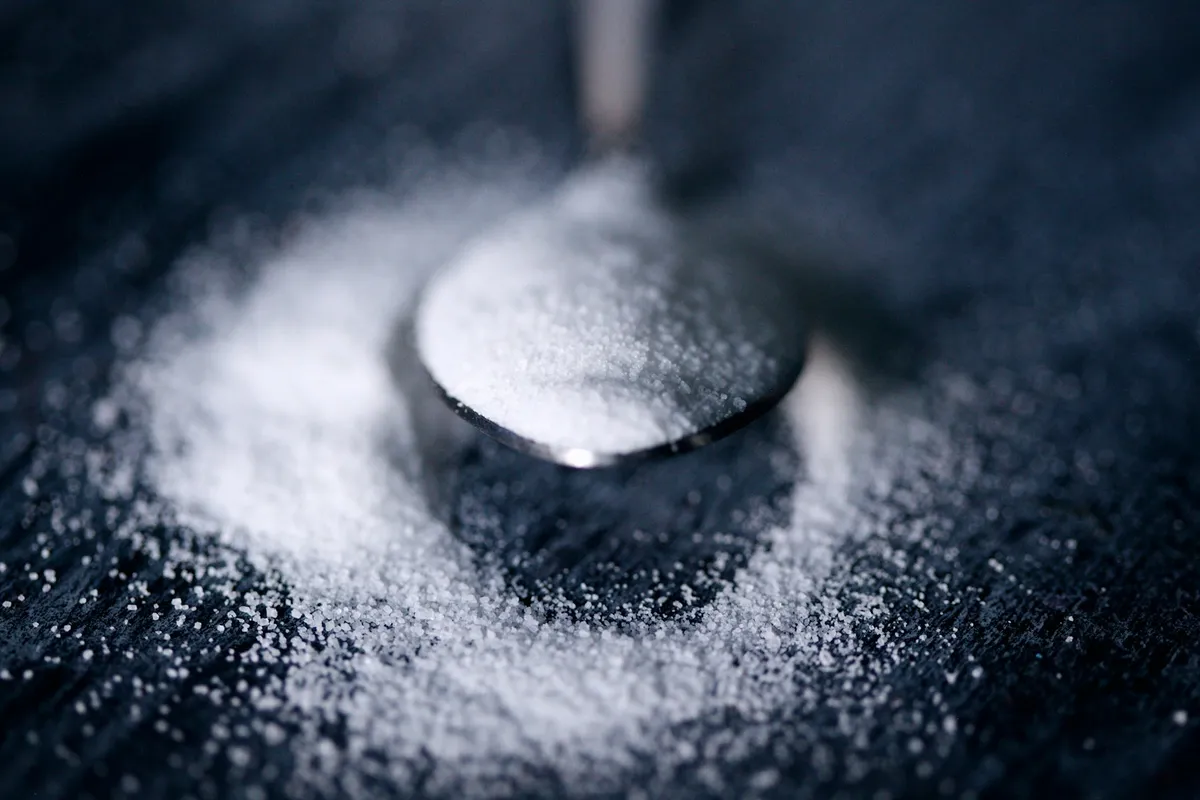
Official Storage Guidelines for Sugar
🇺🇸 USDA Guidelines
🇬🇧 FSA Guidelines
Disclaimer: This information is provided for general guidance only. It is based on publicly available USDA and FSA recommendations at the time of publication. Storage times may vary depending on handling, packaging, and storage conditions. Always check official sources and use your best judgment to ensure food safety.
This guide contains Amazon affiliate links, marked ↗. If you buy through one, we may earn a commission at no extra cost to you. Learn more about affiliate links.
Frequently Asked Questions
Can granulated sugar be frozen?
Yes, dry granulated sugar can sit at freezer temperature without becoming unsafe, but freezing does not improve its useful life. Utah State University Extension says dry foods can freeze without concern, while its sugar-specific guidance recommends a cool, dry location rather than a refrigerator.
The real enemy is moisture. Cold sugar exposed to warm, humid air collects condensation, and wet crystals clump into a hard mass. Sugar can also absorb freezer odours if the package is not truly airtight.
If you must freeze it, use a moisture-proof food container. Thaw the unopened container completely at room temperature before breaking the seal.
Can you freeze brown sugar to keep it soft?
Freezing is not the best way to keep brown sugar soft. Brown sugar contains natural moisture, and Utah State University Extension notes that it does not store as well long term as refined granulated sugar. Freezer condensation can make its texture less predictable, not more.
Keep it in a small airtight container with minimal unused space. If it hardens, that usually means moisture has escaped rather than that the sugar has spoiled.
For recipes, measure and pack brown sugar after it has returned to an even, workable texture. Frozen lumps make accurate cup measurements difficult.
Does sugar go bad?
Pure dry white sugar is exceptionally stable when protected from moisture, pests and odours. Its quality is governed more by storage conditions than by a short refrigerator or freezer clock.
That does not make contaminated sugar salvageable. Mould, insect activity, chemical smells or water from a dirty source are reasons to discard it. Freezing pauses some biological activity but does not clean the product.
Use an opaque, airtight, moisture-proof container for bulk storage, as recommended by Utah State University Extension. Unlike cookie dough, plain sugar does not need cold storage.
What is the best container for long-term sugar storage?
A food-grade plastic bucket, glass canning jar, polyethylene bag, Mylar-style bag or suitable number 10 can can protect dry sugar. Utah State University Extension lists these as appropriate choices and warns that the retail paper sack is not suitable for long storage.
Choose a size you can handle without repeatedly exposing the whole supply to kitchen humidity. A large reserve container plus a smaller working jar is often more practical than opening one bulk package every day.
Do not vacuum-pack sugar with an oxygen absorber. The extension guidance specifically says oxygen removal is unnecessary and not recommended. A dry, odour-proof seal matters more.
Sugar Freezing and Storage Guide
Sugar does not need the freezer. Dry granulated sugar already stores extremely well when air, moisture, pests and strong smells are kept out, so cold storage adds inconvenience without fixing the risks that actually damage it. Unlike cookie dough, cupcakes and cheesecake, the dry ingredient gains nothing from freezer temperatures.
Why Freezing Sugar Is Unnecessary
Condensation, Clumps and Safe Storage
The trouble normally appears during thawing. Opening a cold package allows humid kitchen air to condense on the crystals. That moisture creates lumps and can turn an easy-to-pour ingredient into a solid block.
The Best Container for Sugar
A rigid airtight food-storage container(affiliate link, opens Amazon) in a dry cupboard is the more dependable choice. Keep brown sugar tightly sealed too, but remember that preserving its existing moisture, not freezing it, is what keeps it workable.
Editor's Picks
Gear Worth Buying for Sugar
Rubbermaid Brilliance Airtight Food Storage Containers, 24-Piece Set
A rigid airtight container protects sugar from kitchen humidity, pests and strong odours without unnecessary cold storage.
Shop on AmazonStasher Stand-Up Mid Reusable Silicone Bag (56 oz)
A premium, reusable stand-in for disposable freezer bags - freezer, oven, and dishwasher safe.
Shop on Amazon
As an Amazon Associate, we earn from qualifying purchases.
Important Safety Guidelines
- Transfer sugar from a paper bag to an airtight, food-grade container for long storage.
- Keep sugar dry and away from steam, leaks and strong odours. Sugar readily absorbs moisture and smells.
- Do not add oxygen absorbers to sugar. Utah State University Extension says oxygen removal is not required or recommended.
- Let a frozen sealed container reach room temperature before opening it so humid air does not condense on cold crystals.
- Discard sugar contaminated by insects, mould, cleaning chemicals or an unexplained off odour; freezing does not reverse contamination.
Key Safety Reminders
- Always label containers with freezing date
- Use airtight containers to prevent freezer burn
- Follow proper thawing procedures
You Might Also Like
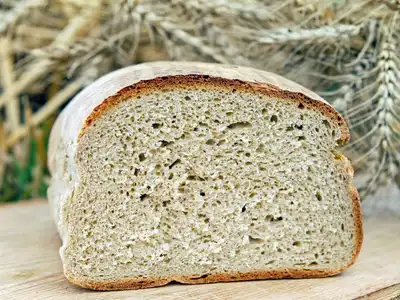
Can You Freeze Bread?
Yes, bread is one of the best foods you can freeze - in fact, freezing is the single best way to store bread beyond a day or two, better than the counter and much better than the fridge. Wrapped well and frozen at 0°F (-18°C), a loaf holds its texture and flavor for 3-5 months, and slices go straight from freezer to toaster with no real quality hit. The one thing freezing can't fix is bread that's already stale or moldy going in, so freeze it while it's fresh, not as a last resort.

Can You Freeze Bread Dough?
Yes, you can freeze yeast bread dough, but home-frozen dough may rise less than fresh dough because slow freezing damages yeast and weakens gluten. For the most predictable result, use a freezer-dough recipe, freeze shaped portions after the first rise, seal them well, and use them within 1 month.
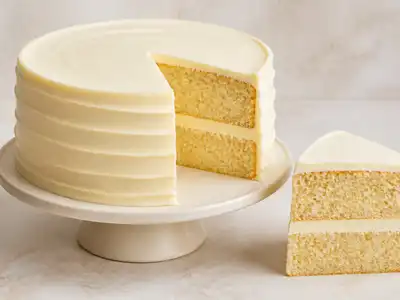
Can You Freeze Cake?
Yes, you can freeze cake, and for most types it works very well. Plain or buttercream-frosted cake holds good quality for roughly 3 to 6 months in the freezer, while cakes topped with egg-white frostings, custard fillings, or fondant hold up far worse and are better off frozen plain. Layer cakes, sponge cakes, and sheet cakes all freeze the same basic way: cool completely, wrap airtight in a rigid container so nothing gets crushed, and keep the freezer at 0°F (-18°C) or below. Cheesecake behaves differently enough, thanks to its dense dairy filling, that it's worth checking the dedicated cheesecake freezing guide rather than treating it like an ordinary cake.

Can You Freeze Cookie Dough?
Yes, cookie dough freezes remarkably well and actually benefits from it. Both homemade and store-bought varieties can be frozen for 2-3 months while maintaining quality. The freezer acts like a pause button, keeping your dough fresh until you're ready to bake those warm cookies whenever a craving strikes.
Sources & References
This information is based on official guidelines from trusted food safety authorities:
Storing Sugars
View Source →Food Storage Conditions
View Source →Packaging Foods
View Source →
About the Author

Disclaimer
The information on this website is provided for general informational purposes only. While we work to keep our food storage and freezing guides accurate and current, we are not food safety professionals, nutritionists, or medical experts, and our recommendations may not account for every individual circumstance, product type, or storage condition.
Always consult official food safety guidance (such as your national food safety agency) and use your own judgment before consuming stored or frozen food. CanIFreeze.com assumes no responsibility or liability for any loss, damage, illness, or other adverse outcome resulting from reliance on the information provided on this site.
CanIFreeze.com is a participant in the Amazon Associates Program, an affiliate advertising program designed to provide a means for sites to earn advertising fees by linking to Amazon.com and its affiliated sites. As an Amazon Associate we earn from qualifying purchases made through links on this site, at no extra cost to you. Product links are clearly marked where they appear.
Disclaimer date: