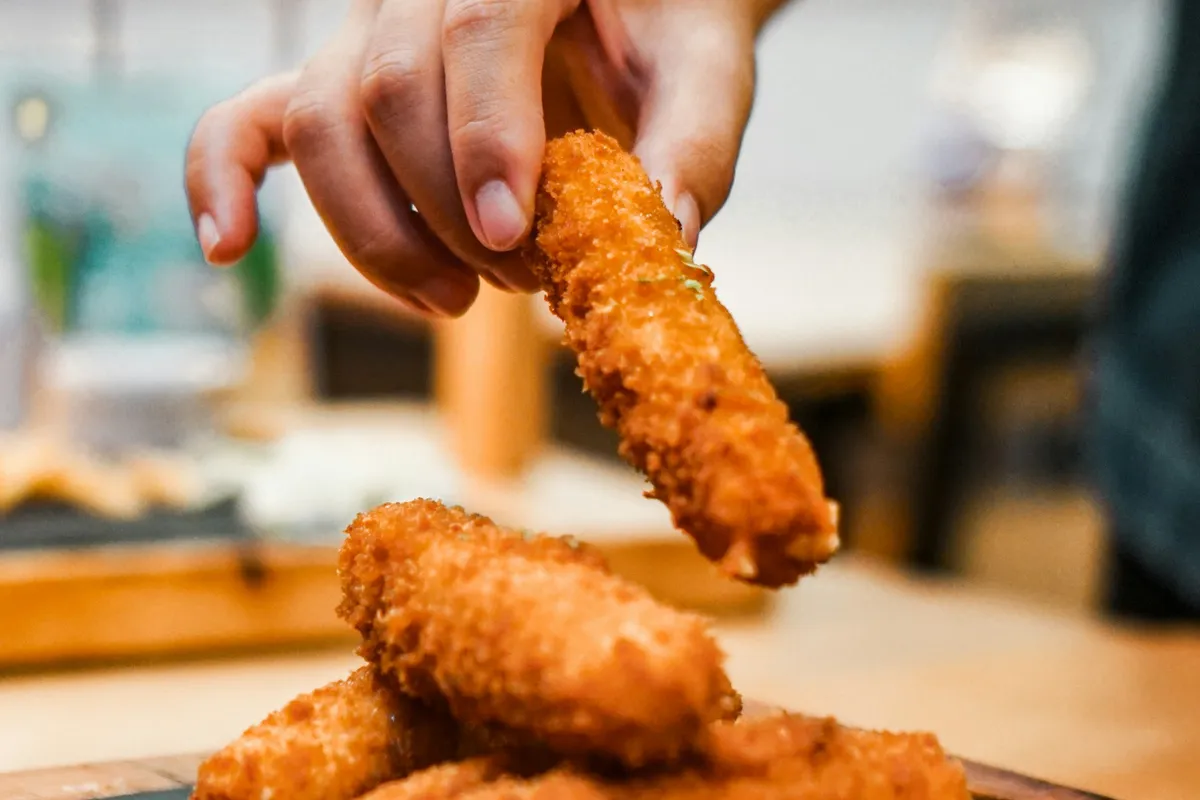
Official Storage Guidelines for KFC Chicken
🇺🇸 USDA Guidelines
🇬🇧 FSA Guidelines
Disclaimer: This information is provided for general guidance only. It is based on publicly available USDA and FSA recommendations at the time of publication. Storage times may vary depending on handling, packaging, and storage conditions. Always check official sources and use your best judgment to ensure food safety.
This guide contains Amazon affiliate links, marked ↗. If you buy through one, we may earn a commission at no extra cost to you. Learn more about affiliate links.
Frequently Asked Questions
How should you reheat a mixed frozen KFC bucket?
Separate pieces by size before they enter the freezer and reheat them in groups. Large bone-in breasts and thighs need gentler, longer heating than wings or tenders. Putting every piece on one timer risks dry wings and a cold center in the thickest chicken.
Use an oven for a mixed or bone-in batch because it heats more gradually. An air fryer suits tenders, wings and one or two similarly sized pieces. Start with moderate heat, turn pieces as needed and lower the setting if breading darkens before the meat is hot.
The endpoint is 165°F (74°C) in the thickest edible meat, checked without touching bone. FoodSafety.gov treats 2 to 6 freezer months for cooked meat or poultry leftovers as a quality range, while the FSA says UK refrigerated leftovers should be eaten within 48 hours or frozen.
Do Original Recipe and Extra Crispy KFC chicken freeze differently?
The safety method is identical, but the texture is not. Original Recipe has a thinner, softer coating and tolerates a little moisture. Extra Crispy relies on dry, craggy breading, so it benefits most from individual wrapping and oven or air-fryer reheating.
Freeze pieces in a single layer until firm before bagging if the coating is delicate. Either variety will lose some fresh-fryer crunch. Do not add oil before freezing; a light spray immediately before dry-heat reheating is more useful.
Can you freeze KFC tenders and hot wings?
Yes. Tenders are boneless and reheat relatively evenly, while wings have less meat and can dry out quickly. Separate pieces before freezing so you can reheat only what you need. Pack sauces separately.
The glaze on sauced hot wings may soften the coating, while dry wings crisp more readily. Reheat to 165°F (74°C) and measure the thickest meat. For small wings, avoid touching the thermometer probe to bone.
Can you freeze a KFC chicken sandwich?
Take it apart first. Freeze the cooked chicken fillet and, if desired, the bun in separate wraps. Remove lettuce, pickles and mayonnaise-style sauce because lettuce thaws limp, pickles lose snap and emulsified sauce may separate.
Reheat the fillet with dry heat to 165°F (74°C), warm the bun only briefly and rebuild with fresh toppings. Freezing the assembled sandwich traps moisture between hot chicken and bread, producing a soggy base and cold center.
Why should KFC chicken be removed from the cardboard bucket?
The bucket is breathable paperboard designed for short transport. It does not exclude freezer air, does not prevent odor transfer and gives the pieces little protection from crushing. A warm stack also cools less efficiently than pieces spread in a shallow layer.
Once the chicken is cool, wrap portions closely and use a freezer bag or rigid container. USDA recommends airtight packaging for leftovers to retain moisture and prevent contamination. Never place a greasy bucket directly in the freezer and call it sealed.
Is the oven or air fryer better for reheating frozen KFC?
An oven is more forgiving for bone-in pieces and a large batch because heat reaches them gradually. An air fryer is excellent for tenders, wings and one or two pieces, but the fast airflow can overbrown breading before thick bone-in meat is hot. Use moderate heat and turn pieces as needed.
A microwave is safe when used correctly but steams the crust. USDA says frozen leftovers can be reheated without thawing and should reach 165°F (74°C). If the exterior is getting dark before the center is ready, lower the heat and loosely cover the piece rather than serving it underheated.
KFC Chicken Freezing and Storage Guide
KFC chicken is cooked poultry, so restaurant branding does not change the food-safety rules. The clock begins when the food leaves hot holding. If you will not eat it promptly, refrigerate or freeze it within the FDA’s 2-hour limit.
How to Freeze KFC Chicken
Remove the pieces from the bucket, arrange them in a shallow layer to cool promptly, then wrap portions individually. Put those portions in a rigid airtight container(affiliate link, opens Amazon) and label the product type. Keep wings separate from large breasts so reheating times are not confused.
The coating is a moisture-management problem. Steam from warm chicken makes it soggy; uncovered freezer air makes it dry. Cool first, then seal. On reheating, dry circulating heat drives surface moisture away and recreates some crunch.
Use an oven for a mixed bucket and an air fryer for smaller uniform pieces. Check 165°F (74°C) at the center instead of relying on a crisp exterior.
Original Recipe and Extra Crispy can share packaging, but not expectations. Original Recipe tolerates a softer coating; Extra Crispy needs maximum airflow during reheating. Tenders and wings can go into smaller portion bags, while a sandwich should be dismantled so bread, chicken and fresh toppings are handled separately.
If you refrigerate KFC in the UK, eat it within 48 hours or freeze it. Freeze the pieces as soon as they are cold rather than waiting until the end of that window; the coating reheats better when the chicken is frozen fresh.
Editor's Picks
Gear Worth Buying for KFC Chicken
Stasher Stand-Up Mid Reusable Silicone Bag (56 oz)
A premium, reusable stand-in for disposable freezer bags - freezer, oven, and dishwasher safe.
Shop on AmazonRubbermaid Brilliance Airtight Food Storage Containers, 24-Piece Set
A complete, leak-proof set that covers nearly any portion size this guide calls for.
Shop on Amazon
As an Amazon Associate, we earn from qualifying purchases.
Important Safety Guidelines
- Refrigerate or freeze takeaway chicken within 2 hours, or within 1 hour above 90°F (32°C).
- Do not freeze chicken that has already sat out beyond that limit; reheating does not undo unsafe handling.
- Remove chicken from the cardboard bucket and package it airtight.
- Cool pieces in a shallow layer rather than sealing a warm pile in a deep container.
- Reheat every product to 165°F (74°C), checking the thickest part without touching bone.
- Thaw in the refrigerator, cold water in leak-proof packaging, or the microwave followed by immediate reheating.
Key Safety Reminders
- Always label containers with freezing date
- Use airtight containers to prevent freezer burn
- Follow proper thawing procedures
You Might Also Like

Can You Freeze Chicken?
Yes, chicken freezes exceptionally well, whether it's raw or cooked, whole or in parts. A whole raw chicken holds good quality for up to a year at 0°F (-18°C), raw parts and pieces for about 9 months, and raw ground chicken for 3 to 4 months. Cooked chicken keeps for about 4 months, or up to 6 months if it's sitting in broth or gravy. Chicken is also one of the few foods where the USDA says freezing indefinitely never makes it unsafe - only less appetizing over time - as long as it stayed at 0°F the whole way through and was safe when it went in.
Can You Freeze Chick-fil-A Nuggets?
Yes, you can freeze leftover Chick-fil-A nuggets. Chill them quickly, freeze in a single layer so they don't clump, then reheat in an oven or air fryer rather than a microwave to keep the breading from going soggy. Chick-fil-A doesn't publish its own freezing guidance, so this follows general USDA rules for cooked, breaded chicken.

Can You Freeze McDonald's Chicken McNuggets?
Yes, cooked McDonald's Chicken McNuggets can be frozen for 1 to 3 months at their best quality. Cool them promptly, remove them from the cardboard carton, tray-freeze in one layer and then package airtight. Reheat from frozen in an oven or air fryer for the crispest breading, bringing the centers to 165°F (74°C). Keep sealed dipping sauces separate and follow the printed package date instead of freezing them automatically.
Can You Freeze Costco Rotisserie Chicken?
Yes, you can freeze a Costco rotisserie chicken. Let it cool, then carve the meat off the bone before freezing - it holds texture far better than freezing the bird whole. Wrap tightly and freeze at 0°F / −18°C; treat it like any cooked chicken, since Costco does not publish its own freezing instructions.
Sources & References
This information is based on official guidelines from trusted food safety authorities:
Refrigerator Thermometers: Cold Facts about Food Safety
View Source →Leftovers and Food Safety
View Source →Cold Food Storage Chart
View Source →Cooking your food
View Source →
About the Author

Disclaimer
The information on this website is provided for general informational purposes only. While we work to keep our food storage and freezing guides accurate and current, we are not food safety professionals, nutritionists, or medical experts, and our recommendations may not account for every individual circumstance, product type, or storage condition.
Always consult official food safety guidance (such as your national food safety agency) and use your own judgment before consuming stored or frozen food. CanIFreeze.com assumes no responsibility or liability for any loss, damage, illness, or other adverse outcome resulting from reliance on the information provided on this site.
CanIFreeze.com is a participant in the Amazon Associates Program, an affiliate advertising program designed to provide a means for sites to earn advertising fees by linking to Amazon.com and its affiliated sites. As an Amazon Associate we earn from qualifying purchases made through links on this site, at no extra cost to you. Product links are clearly marked where they appear.
Disclaimer date: