
Category
Herbs and Spices
Freezing and storage methods for fresh herbs, spices, and aromatics, covering the best ways to preserve flavor and extend shelf life.
Example foods
- Basil
- Chillies
- Garlic
- Ginger
- Oregano
- Parsley
- Cilantro
Foods in Herbs and Spices
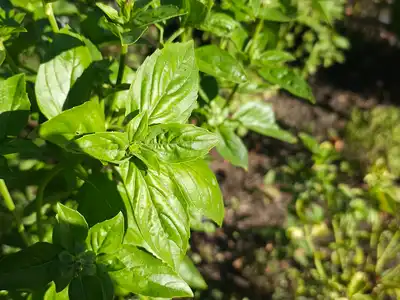
Can You Freeze Basil?
Yes, you can freeze basil. Whole leaves, chopped water cubes, oil cubes, and pesto all work, but thawed leaves become dark and limp rather than salad-fresh. Freeze clean, dry basil promptly and use it in sauces, soups, pasta, pizza, and pesto within about 4 to 6 months for the best flavor.
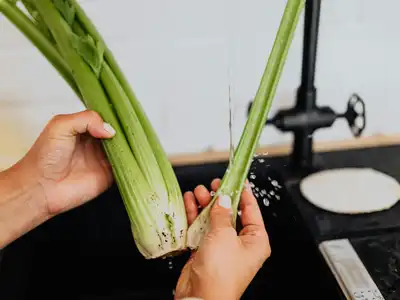
Can You Freeze Celery?
Yes, you can freeze celery for up to 12 months, though it loses its signature crunch. Blanching celery for 3 minutes before freezing preserves flavor and prevents browning, making it perfect for soups, stews, and stocks. While frozen celery won't work for raw snacks or salads, it's a game-changer for reducing food waste and always having this versatile veggie ready for cooked dishes.
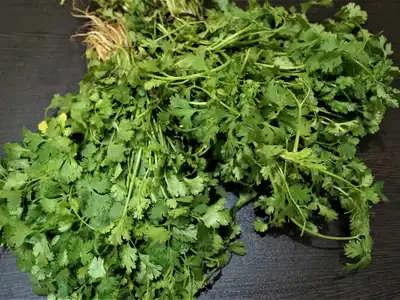
Can You Freeze Cilantro?
Yes, you can freeze cilantro, but it will lose the crisp texture needed for garnish. Freeze clean, thoroughly dried leaves and tender stems on a tray, or chop them into water or oil cubes. The flavor works well in soups, curries, beans, sauces, and marinades, with best quality in about 4 to 6 months.
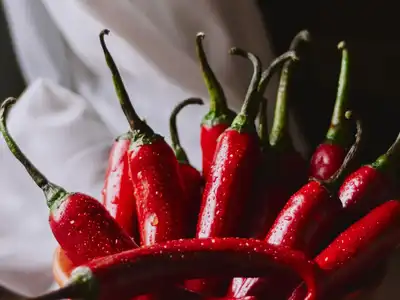
Can You Freeze Fresh Chillies and Chili Peppers?
Yes, fresh chillies and chili peppers freeze very well without blanching. Wash and dry them, remove stems if convenient, then freeze whole, sliced, or chopped in recipe-size portions. They soften after thawing, so use them directly from frozen in sauces, curries, soups, and cooked dishes. University of Nebraska-Lincoln Extension puts frozen peppers at about 8 months for best quality, though a well-sealed bag stays safe well beyond that.
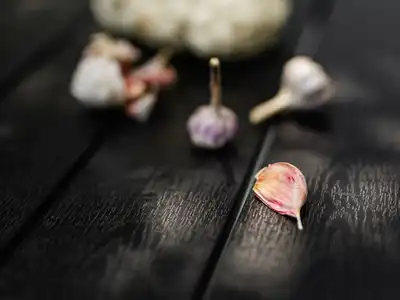
Can You Freeze Garlic?
Yes, you can freeze garlic unpeeled, chopped, or puréed with oil. Wrap it airtight to contain its odor and use it mainly in cooked dishes because freezing softens the cloves and can make garlic taste stronger or slightly bitter. Garlic-in-oil requires special care: refrigerate it at 40°F (4°C) or below and use it within 4 days, or freeze it immediately. Never store untreated garlic-in-oil at room temperature because botulinum toxin can form without visible signs of spoilage.
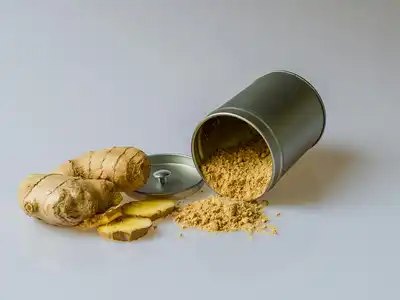
Can You Freeze Ginger?
Yes, you can freeze ginger successfully. Fresh ginger freezes remarkably well for 3 to 6 months, maintaining its spicy punch and health benefits throughout storage. You can freeze it whole with the peel still on, or prepare it ahead by slicing, grating, or even making frozen ginger cubes. One of the coolest tricks? Frozen ginger is actually easier to grate than fresh, and you can use it straight from the freezer without thawing for most recipes.
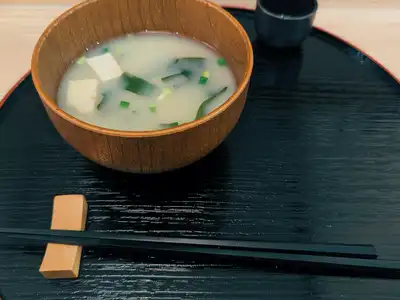
Can You Freeze Miso?
Yes, miso paste can be frozen, although its salt content means it often stays scoopable rather than becoming a hard block. Portion it or freeze the tightly closed package, following its best-before date for quality. Refrigeration is usually sufficient for everyday storage, while freezing is most useful for a large tub that will be used slowly.

Can You Freeze Oregano?
Yes, fresh oregano can be frozen as leaves, sprigs, a flat chopped layer, or portions in oil. Its leaves soften after thawing, but its strong aroma remains useful in cooked tomato sauces, soups, marinades, and stews. Dry the herb carefully, freeze it airtight in glass or foil rather than plain plastic if odor transfer worries you, and add it without thawing.
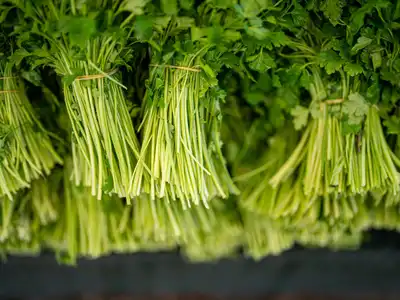
Can You Freeze Parsley?
Yes, you can freeze parsley, and freezing preserves its cooking flavor better than its appearance. Wash and dry it thoroughly, since parsley's high water content makes it more prone to clumping and darkening than an oilier herb like oregano, then freeze leaves loose, chopped flat, or in water or oil portions. Thawed parsley is limp, so use it directly in soups, sauces, stews, and cooked dishes rather than as a fresh garnish.
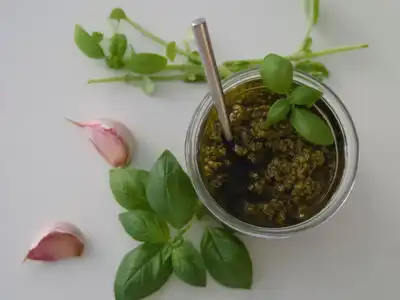
Can You Freeze Pesto?
Yes, pesto freezes exceptionally well - genuinely one of the best foods to freeze on this whole site, which is why the ice-cube-tray method is such a well-known trick. Portioned into cubes and topped with a thin layer of olive oil to block oxygen, fresh basil pesto holds its bright green color and flavor for about 6 months, with best quality in the first 3. The oil layer isn't optional decoration - it's the single step that keeps pesto from turning brown and bitter in the freezer.