Official Storage Guidelines for Miso
🇺🇸 USDA Guidelines
🇬🇧 FSA Guidelines
Disclaimer: This information is provided for general guidance only. It is based on publicly available USDA and FSA recommendations at the time of publication. Storage times may vary depending on handling, packaging, and storage conditions. Always check official sources and use your best judgment to ensure food safety.
This guide contains Amazon affiliate links, marked ↗. If you buy through one, we may earn a commission at no extra cost to you. Learn more about affiliate links.
Frequently Asked Questions
Does miso paste freeze solid?
Often it does not. Dissolved salt lowers the freezing point, so miso may remain firm but scoopable in a normal home freezer. Saltier red miso can stay softer than a milder white miso, although recipes and freezer temperatures differ.
That property makes a single shallow container practical: remove a spoonful with a clean utensil and return it immediately. Small frozen portions are still useful when you want a measured amount for sauces or marinades.
Does freezing miso kill its probiotics?
Freezing can reduce the number and activity of living microbes, and the result depends on the organisms and product. Some commercial miso is pasteurized before sale, so it may not contain meaningful live cultures even before freezing.
Check the label if live cultures matter to you. Also remember that boiling miso in soup exposes it to heat. Freeze miso for flavor and waste reduction, not to guarantee a particular probiotic dose.
Can you freeze miso soup?
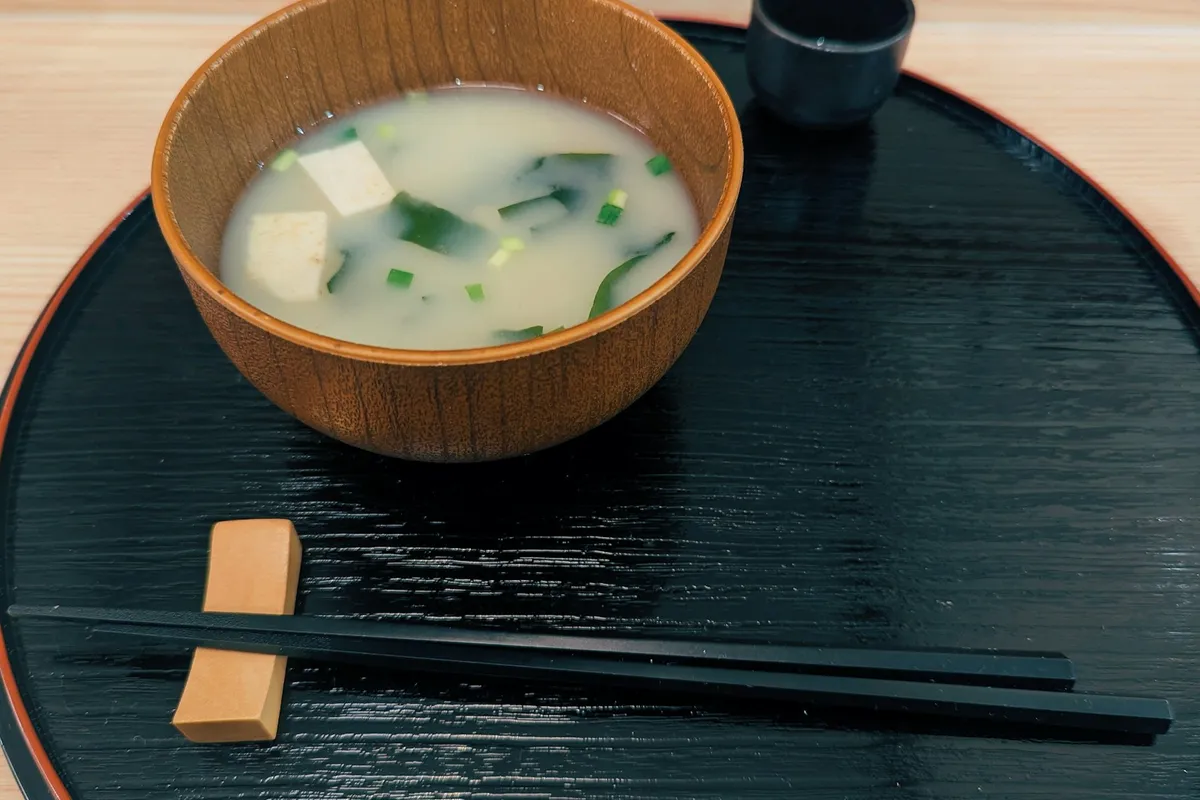
Yes, but treat it as soup rather than as concentrated paste. Cool it quickly, freeze in shallow portions, and use within about 2 to 3 months. Tofu becomes more porous and chewy, seaweed softens, and mushrooms may release water.
For better texture, freeze the broth base without tofu, greens, noodles, or delicate garnishes. Add those fresh while reheating. Bring leftover soup to 165°F (74°C), but avoid prolonged boiling after adding fresh miso because it dulls the aroma.
How can you tell whether miso has gone bad?
Miso naturally darkens and its flavor becomes stronger during storage, especially when exposed to warmth or air. Those changes alone do not necessarily mean spoilage. A clean surface, normal fermented aroma, and intact package are reassuring.
Fuzzy mold, a rotten smell unlike the paste's usual savory fermentation, or obvious contamination from wet or dirty utensils calls for disposal. Do not scrape mold from a soft paste and assume the material underneath is unaffected.
Miso Freezing and Storage Guide
Miso paste is already a preservation product. Salt and fermentation give an opened tub a much longer refrigerator life than most sauces, so freezing is optional rather than urgent. It becomes worthwhile when the package is large or a specialty miso is used only occasionally.
How to Freeze Miso Paste
Pack the paste with as little exposed surface as possible. A shallow airtight container(affiliate link, opens Amazon) makes it easy to scoop while cold; measured spoonfuls can also be frozen on a lined tray and moved to a bag once firm. Miso’s salt means those portions may stay pliable.
How Long Miso Keeps in the Freezer
Follow the package’s best-before date for peak quality. Freezing slows fermentation and oxidation, but odor transfer and a poor seal can still flatten a nuanced white, yellow, or red miso over time.
Freezing Miso Soup Is a Separate Question
Do not apply the paste’s storage expectations to prepared miso soup. Once water, tofu, seafood, or vegetables are added, it is a perishable leftover. Cool it promptly, freeze it in meal-size portions, and reheat it thoroughly.
Editor's Picks
Gear Worth Buying for Miso
Stasher Stand-Up Mid Reusable Silicone Bag (56 oz)
A premium, reusable stand-in for disposable freezer bags - freezer, oven, and dishwasher safe.
Shop on AmazonRubbermaid Brilliance Airtight Food Storage Containers, 24-Piece Set
A complete, leak-proof set that covers nearly any portion size this guide calls for.
Shop on Amazon
As an Amazon Associate, we earn from qualifying purchases.
Important Safety Guidelines
- Follow the package instructions for unopened and opened storage; products vary in salt content and whether they are pasteurized.
- Use a clean, dry spoon every time. Water and food crumbs shorten the useful life of an opened tub.
- Press freezer wrap against the surface or use a tightly sealed container to limit oxidation and odor transfer.
- Leave a little headspace in a rigid container.
- Thaw in the refrigerator, or scoop the quantity needed while the paste is still cold and pliable.
- Discard miso with fuzzy mold, an unexpectedly rotten odor, or packaging that is swollen contrary to the manufacturer's description. Normal darkening alone is usually a quality change.
- Miso soup containing tofu, seafood, meat, or vegetables follows leftover rules for the finished soup, not the long storage life of concentrated paste.
Key Safety Reminders
- Always label containers with freezing date
- Use airtight containers to prevent freezer burn
- Follow proper thawing procedures
You Might Also Like

Can You Freeze Basil?
Yes, you can freeze basil. Whole leaves, chopped water cubes, oil cubes, and pesto all work, but thawed leaves become dark and limp rather than salad-fresh. Freeze clean, dry basil promptly and use it in sauces, soups, pasta, pizza, and pesto within about 4 to 6 months for the best flavor.
Can You Freeze Celery?
Yes, you can freeze celery for up to 12 months, though it loses its signature crunch. Blanching celery for 3 minutes before freezing preserves flavor and prevents browning, making it perfect for soups, stews, and stocks. While frozen celery won't work for raw snacks or salads, it's a game-changer for reducing food waste and always having this versatile veggie ready for cooked dishes.

Can You Freeze Cilantro?
Yes, you can freeze cilantro, but it will lose the crisp texture needed for garnish. Freeze clean, thoroughly dried leaves and tender stems on a tray, or chop them into water or oil cubes. The flavor works well in soups, curries, beans, sauces, and marinades, with best quality in about 4 to 6 months.

Can You Freeze Coconut Milk?
Yes, coconut milk freezes well - it's one of the more freezer-friendly liquids on this site, and freezing leftover canned coconut milk in an ice cube tray is a genuinely popular, effective trick. Expect it to separate into a firmer, whiter layer and a more watery layer as it freezes and thaws; this is completely normal and disappears once you blend it for about 30 seconds after thawing. Opened, it holds well for about 2 months in the freezer and 4-6 days in the fridge.
Sources & References
This information is based on official guidelines from trusted food safety authorities:
How to Store Miso Paste
View Source →Leftovers and Food Safety
View Source →How to chill, freeze and defrost food safely
View Source →
About the Author

Disclaimer
The information on this website is provided for general informational purposes only. While we work to keep our food storage and freezing guides accurate and current, we are not food safety professionals, nutritionists, or medical experts, and our recommendations may not account for every individual circumstance, product type, or storage condition.
Always consult official food safety guidance (such as your national food safety agency) and use your own judgment before consuming stored or frozen food. CanIFreeze.com assumes no responsibility or liability for any loss, damage, illness, or other adverse outcome resulting from reliance on the information provided on this site.
CanIFreeze.com is a participant in the Amazon Associates Program, an affiliate advertising program designed to provide a means for sites to earn advertising fees by linking to Amazon.com and its affiliated sites. As an Amazon Associate we earn from qualifying purchases made through links on this site, at no extra cost to you. Product links are clearly marked where they appear.
Disclaimer date: