
Official Storage Guidelines for Coconut Milk
🇺🇸 USDA Guidelines
🇬🇧 FSA Guidelines
Disclaimer: This information is provided for general guidance only. It is based on publicly available USDA and FSA recommendations at the time of publication. Storage times may vary depending on handling, packaging, and storage conditions. Always check official sources and use your best judgment to ensure food safety.
This guide contains Amazon affiliate links, marked ↗. If you buy through one, we may earn a commission at no extra cost to you. Learn more about affiliate links.
Frequently Asked Questions
Can you cook with coconut milk directly from frozen?
Yes, and for hot dishes there's no need to thaw first. Drop frozen coconut milk cubes straight into a simmering curry, soup, or sauce, where they'll melt in within a few minutes as the dish heats - this is genuinely one of the easiest frozen ingredients to use straight from the freezer.
For rice cooked in coconut milk, add the frozen cubes along with the rice and water at the start of cooking; they'll melt in well before the rice finishes.
If you need coconut milk for something cold - a smoothie, a chilled dessert - thaw it in the refrigerator first and blend it well before using, since the separated texture is much more noticeable in a cold application than a hot, simmered one.
Either way, a quick blend or vigorous whisk after thawing (even if you're about to heat it) helps recombine the separated layers into a smoother base before it goes into your dish.
Can coconut milk be refrozen after it's thawed?
Yes, as long as it was thawed in the refrigerator and kept at 40°F (4°C) or below the entire time - refreezing is generally safe under those conditions, though the separation and texture change will be more pronounced with each additional cycle.
Don't refreeze coconut milk that was thawed on the counter or that sat above 40°F (4°C) for more than 2 hours (1 hour above 90°F/32°C) - discard it instead.
Because coconut milk already separates somewhat even without freezing (it's normal for the fat to rise in an unshaken can), a second freeze-thaw cycle isn't as dramatic a change as it would be for a more stable liquid - a good blend still brings it back together reasonably well.
If you've thawed more than you'll use soon, cooking it into a finished dish (a curry, a soup) and freezing that instead of the plain coconut milk again tends to give a better result.
Does coconut milk freeze well?
Yes, genuinely well - coconut milk is one of the more freezer-friendly liquids covered on this site, which is part of why freezing leftover canned coconut milk in ice cube trays is such a widely recommended kitchen trick.
Coconut milk is naturally an emulsion of coconut fat and water, and it's already somewhat prone to separating even without freezing - anyone who's opened a can of full-fat coconut milk and found a thick white layer sitting on top of a thinner liquid has seen this in action. Freezing exaggerates that natural separation: the fat and water components freeze at slightly different rates and separate further into visibly distinct layers.
The fix is simple and reliable: once thawed, transfer it to a food processor, blender, or use an immersion blender, and blend for about 30 seconds. This physically re-emulsifies the fat and water back into a smooth, usable consistency - a step this site considers essential, not optional, for coconut milk specifically.
Light coconut milk (lower in fat, higher in water) tends to separate a bit more dramatically than full-fat, simply because there's proportionally more water to freeze and less fat to hold everything together - but the same blending fix works for both.
Best containers to freeze coconut milk
A lidded silicone freezer tray(affiliate link, opens Amazon) is the classic, and genuinely the best, way to freeze leftover coconut milk - pour it into the tray, freeze until solid, then pop the cubes into a labeled freezer bag. Each cube is a measured portion, roughly right for adding to a single curry or a pot of rice.
For larger amounts you plan to use all at once, a rigid, airtight container works fine - leave about ½ inch of headspace since the liquid expands as it freezes.
Avoid freezing coconut milk in its original can; cans aren't designed to expand with freezing liquid and can bulge or, in some cases, fail at the seam.
Whatever you use, label it with the date and whether it's full-fat or light, since the two behave slightly differently once thawed and you may want to reach for one over the other depending on the recipe.
Best uses for coconut milk after it's been frozen
Curries, soups (Thai coconut soups like tom kha gai are a natural fit), braises, and coconut rice are all excellent uses - the heat and other ingredients fully absorb any texture change from freezing, so it's genuinely hard to tell the difference in a finished dish.
Thawed and well-blended coconut milk also works in baking - cakes, muffins, curry-spiced breads - and in smoothies, where blending is already part of the process.
For a chilled dessert or a coconut-based sauce meant to be silky and smooth (like a coconut pudding or panna cotta), blend thawed coconut milk thoroughly and consider straining it through a fine sieve first if you notice any persistent graininess.
It pairs particularly well with shrimp in a curry or with rice as a coconut rice side, both classic combinations that hide any minor texture change completely.
Is coconut milk the same as coconut water or coconut cream, and does that change how it freezes?
No, these are three different products, and it's worth knowing the difference before freezing. Coconut water is the clear liquid found naturally inside a young coconut - low in fat, and it freezes and thaws fairly cleanly since there's little fat to separate out, though it can lose a bit of its fresh flavor.
Coconut milk is made by blending coconut flesh with water and straining out the solids, giving it that characteristic opaque, creamy appearance and higher fat content - this is the product this guide focuses on, and the one most prone to separating when frozen.
Coconut cream is even more concentrated, made with a higher ratio of coconut flesh to water (or simply the thick layer skimmed off the top of a can of coconut milk); it freezes similarly to full-fat coconut milk but can turn out even thicker and more prone to visible separation, so plan on a thorough blend after thawing regardless of which of the three you're working with.
All three are safe to freeze; the main practical difference is how much separation to expect (least with coconut water, most with coconut cream) and how essential the post-thaw blending step is (least essential for coconut water, most essential for coconut cream).
Coconut Milk Freezing and Storage Guide
Can you freeze coconut milk? Yes - and this is one of the genuine freezer success stories on this site. Freezing leftover canned coconut milk in an ice cube tray is a well-established kitchen trick for good reason: it works.
Opened, coconut milk holds well for about 4-6 days in the fridge and about 2 months in the freezer. It naturally separates as it freezes - and the fix is simple enough that it barely counts as a downside.
Why Coconut Milk Separates (and Why It’s Not a Problem)
Coconut milk is an emulsion of coconut fat and water, and it’s already somewhat prone to separating even without freezing - anyone who’s opened a can of full-fat coconut milk and found a thick white layer sitting on a thinner liquid underneath has seen this happen already, no freezer required. Freezing simply exaggerates that natural tendency, since the fat and water components freeze at slightly different rates and separate further into visibly distinct layers.
The fix: once thawed, blend it - a food processor, blender, or immersion blender for about 30 seconds re-emulsifies the fat and water back into a smooth, usable consistency. This site treats that step as essential for coconut milk, not optional.
How to Freeze Coconut Milk
- Pour into a lidded silicone tray(affiliate link, opens Amazon) - the classic method, giving you measured cubes for single-recipe portions.
- Freeze until solid, then transfer the cubes to a labeled freezer bag.
- For larger amounts, use a rigid, airtight container with about ½ inch of headspace.
- Skip the original can - it isn’t designed to expand with freezing liquid.
- Freeze at 0°F (-18°C) or below.
How Long Frozen Coconut Milk Actually Lasts
At a steady 0°F (-18°C), coconut milk is safe indefinitely - freezing halts bacterial growth completely. The 2-month window is about quality. Light coconut milk (lower fat, higher water content) tends to separate more dramatically than full-fat, simply because there’s proportionally more water to freeze - but the same post-thaw blend fixes both.
Best Uses for Frozen Coconut Milk
Curries, Thai-style coconut soups, braises, and coconut rice are the easiest fit, since heat and other ingredients absorb any texture change completely. It pairs especially well with shrimp in a curry or with rice for coconut rice. Baking and smoothies work well too, since blending is already part of the process either way.
Coconut Milk vs. Coconut Water vs. Coconut Cream
These are three different products. Coconut water - the clear liquid inside a young coconut - is low in fat and freezes cleanly with little separation. Coconut milk (this guide’s focus) is blended coconut flesh and water, opaque and higher in fat, and the most prone to visible separation when frozen. Coconut cream is even more concentrated and separates the most dramatically of the three. All three are safe to freeze; they just need different amounts of post-thaw blending to look right again.
Common Mistakes to Avoid
The most common mistake is skipping the blend after thawing and being put off by the separated, lumpy appearance - that step is what actually fixes it, and it takes under a minute. The second is freezing coconut milk in its original can, risking a bulge or seam failure as the liquid expands. The third is expecting coconut cream to behave exactly like coconut milk in the freezer - it’s more concentrated and will need a more thorough blend to come back together.
Editor's Picks
Gear Worth Buying for Coconut Milk
Souper Cubes 1/2 Cup Silicone Freezer Tray with Lid
The classic way to freeze leftover canned coconut milk - measured cubes ready to drop into curries, soups, and rice.
Shop on AmazonStasher Stand-Up Mid Reusable Silicone Bag (56 oz)
A premium, reusable stand-in for disposable freezer bags - freezer, oven, and dishwasher safe.
Shop on AmazonRubbermaid Brilliance Airtight Food Storage Containers, 24-Piece Set
A complete, leak-proof set that covers nearly any portion size this guide calls for.
Shop on Amazon
As an Amazon Associate, we earn from qualifying purchases.
Important Safety Guidelines
- Once a can or carton of coconut milk is opened, transfer any unused portion to an airtight container and refrigerate at or below 40°F (4°C) promptly; don't leave it sitting in an open can.
- Refrigerated, opened coconut milk is good for about 4-6 days; refrigerated cartons of "drinking" coconut milk (a thinner, often-sweetened product distinct from canned cooking coconut milk) generally follow the same 7-10 day window as other refrigerated plant milks once opened.
- Freeze at 0°F (-18°C) or below in an airtight container or a lidded silicone tray, leaving about ½ inch of headspace since the liquid expands as it freezes.
- Coconut milk naturally separates into a firmer, fattier layer and a thinner, more watery layer both in the can and after freezing - this is normal even without freezing, and blending or vigorously whisking for about 30 seconds after thawing brings it back to a usable, mostly-uniform consistency.
- Never leave opened coconut milk at room temperature for more than 2 hours (1 hour above 90°F/32°C) before refrigerating or freezing it.
- Thaw frozen coconut milk in the refrigerator rather than on the counter, and plan to use it within a few days of thawing.
- Refreezing is only safe if the coconut milk was thawed in the refrigerator and kept at 40°F (4°C) or below the entire time; don't refreeze coconut milk thawed on the counter or left out too long.
- Discard coconut milk that smells sour, rancid, or off, or that shows mold, regardless of whether it's been refrigerated or frozen - freezing does not reverse spoilage that's already started.
- Label frozen portions with the date; coconut milk stays safe indefinitely at 0°F (-18°C), but flavor and texture are what decline over longer storage.
Key Safety Reminders
- Always label containers with freezing date
- Use airtight containers to prevent freezer burn
- Follow proper thawing procedures
You Might Also Like
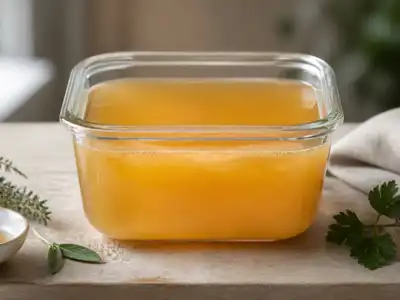
Can You Freeze Chicken Broth and Stock?
Yes, chicken broth and stock freeze exceptionally well. Cool homemade broth quickly, portion it, leave expansion space, and freeze for about 2-3 months for best quality. Commercial broth can also be frozen after opening. Never freeze broth in an unopened can, carton or completely full glass jar.
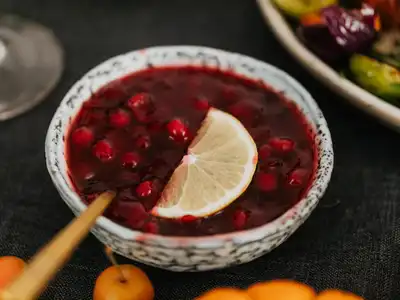
Can You Freeze Cranberry Sauce?
Yes, you can freeze cranberry sauce, but do not expect the exact same texture when it thaws. Cranberry sauce freezing can cause separation and a softer set. Freeze small portions, thaw in the fridge, then stir hard before serving or cooking with it.
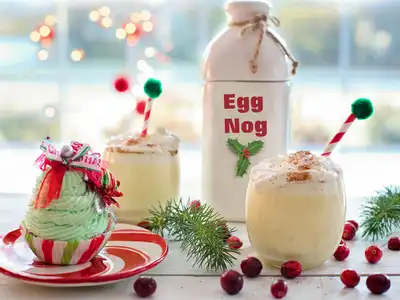
Can You Freeze Eggnog?
Yes - eggnog can be frozen if it's the commercial, pasteurized kind; the USDA's consumer chart lists "Eggnog, commercial" as freezer-safe for up to 6 months (0°F / −18°C). Homemade eggnog should not be frozen, and both types must be kept cold: 40°F / 4°C or below. Always check labels and use pasteurized eggs.
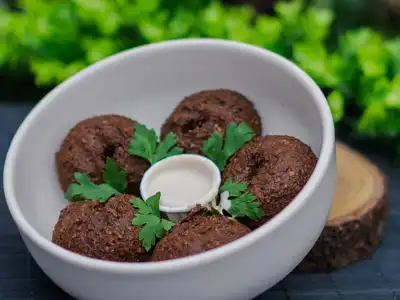
Can You Freeze Falafel?
Yes, falafel freezes well either shaped and uncooked or fully cooked. For the crispest result, tray-freeze uncooked patties or balls, transfer them to an airtight bag, and cook them from frozen; cooked falafel is best used within about 3 months. Freeze sauces and salad separately, because wet accompaniments quickly soften the crust.
Sources & References
This information is based on official guidelines from trusted food safety authorities:
Are You Storing Food Safely?
View Source →Freezing and Food Safety
View Source →Cold Food Storage Chart - FoodSafety.gov
View Source →How to chill, freeze and defrost food safely
View Source →
About the Author

Disclaimer
The information on this website is provided for general informational purposes only. While we work to keep our food storage and freezing guides accurate and current, we are not food safety professionals, nutritionists, or medical experts, and our recommendations may not account for every individual circumstance, product type, or storage condition.
Always consult official food safety guidance (such as your national food safety agency) and use your own judgment before consuming stored or frozen food. CanIFreeze.com assumes no responsibility or liability for any loss, damage, illness, or other adverse outcome resulting from reliance on the information provided on this site.
CanIFreeze.com is a participant in the Amazon Associates Program, an affiliate advertising program designed to provide a means for sites to earn advertising fees by linking to Amazon.com and its affiliated sites. As an Amazon Associate we earn from qualifying purchases made through links on this site, at no extra cost to you. Product links are clearly marked where they appear.
Disclaimer date: