Category
Liquids
Freezing guidance for broths, stocks, sauces, and beverages, including which liquids expand when frozen and how to store them without cracking containers.
Example foods
- Broths
- Stocks
- Cooking Oils
- Juices
- Soups
- Vinegars
- Wine
Foods in Liquids
Can You Freeze Chicken Broth and Stock?
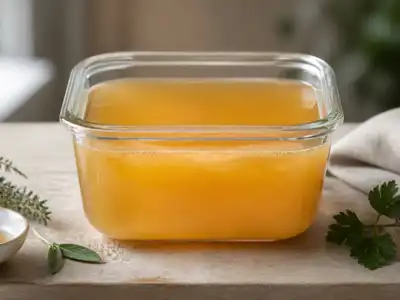
Yes, chicken broth and stock freeze exceptionally well. Cool homemade broth quickly, portion it, leave expansion space, and freeze for about 2-3 months for best quality. Commercial broth can also be frozen after opening. Never freeze broth in an unopened can, carton or completely full glass jar.

Can You Freeze Coconut Milk?
Yes, coconut milk freezes well - it's one of the more freezer-friendly liquids on this site, and freezing leftover canned coconut milk in an ice cube tray is a genuinely popular, effective trick. Expect it to separate into a firmer, whiter layer and a more watery layer as it freezes and thaws; this is completely normal and disappears once you blend it for about 30 seconds after thawing. Opened, it holds well for about 2 months in the freezer and 4-6 days in the fridge.
Can You Freeze Cranberry Sauce?
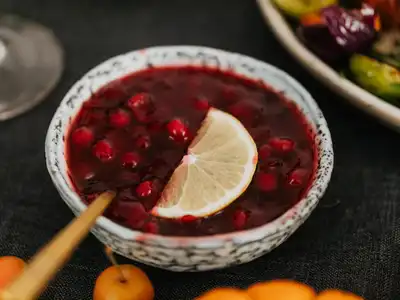
Yes, you can freeze cranberry sauce, but do not expect the exact same texture when it thaws. Cranberry sauce freezing can cause separation and a softer set. Freeze small portions, thaw in the fridge, then stir hard before serving or cooking with it.
Can You Freeze Grapefruit?
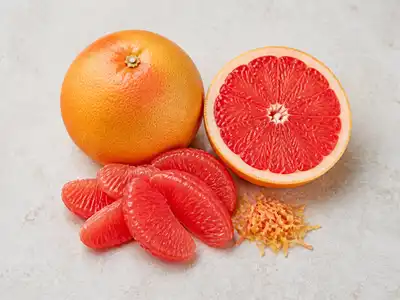
Yes, you can freeze grapefruit whole, as peeled sections, zest, or juice. For the best section quality, NCHFP recommends removing membranes and seeds and packing the fruit in 40 percent syrup. Dry-packed or whole grapefruit becomes soft after thawing. Grapefruit can interact with some medicines, and freezing does not remove that interaction.
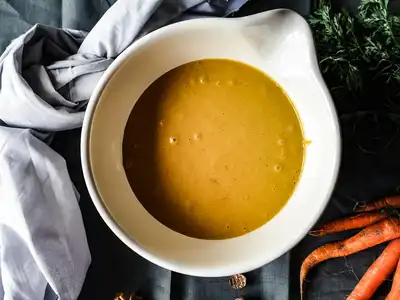
Can You Freeze Gravy?
Yes, you can freeze gravy, and it is a practical way to save a roast dinner for later. Cool it fast, freeze in small portions, and thaw in the fridge. Reheat until boiling hot and whisk smooth before serving.

Can You Freeze Half-and-Half?
Yes, you can freeze half-and-half, but it often separates and looks grainy after thawing. Freeze it in small recipe-size portions, leave room for expansion and thaw it overnight in the refrigerator. Shake or blend it before using, then favour coffee, soups, sauces and baking over recipes that depend on a perfectly smooth fresh-cream texture.

Can You Freeze Ice Cubes?
Yes - ice cubes are just water that's already frozen, so "freezing" is the whole point. The real question is how long it takes: a standard tray freezes solid in about 3-4 hours in a home freezer at 0°F/-18°C, faster with smaller cubes, metal trays, or a colder setting. Once frozen, ice keeps safe indefinitely, but for the best taste, use homemade ice within about 1-2 months and keep trays and ice-maker bins clean.
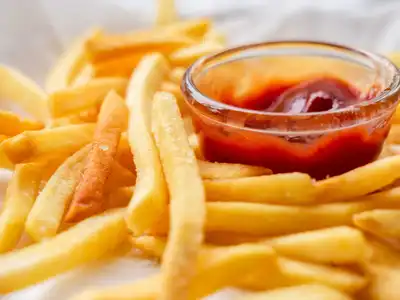
Can You Freeze Ketchup?
Yes, you can freeze ketchup, but you'll rarely need to. Commercial ketchup is shelf-stable and keeps about a year unopened in the pantry, then around 6 months in the fridge once opened - freezing doesn't extend safety, and the high sugar and vinegar content means it never freezes fully solid, instead turning slushy and separating into a watery layer on top of thicker tomato solids. It's safe to freeze and easy to stir back together, just not very useful for a condiment that already lasts a long time on the shelf.
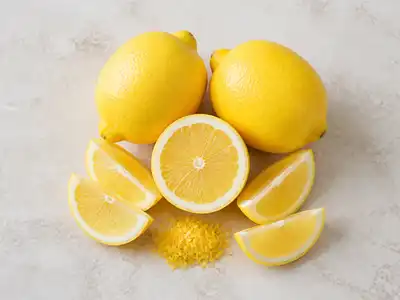
Can You Freeze Lemon?
Yes, you can freeze lemons whole, as wedges or slices, as zest, or as juice. Juice and zest retain their usefulness best; thawed whole lemons and wedges become soft as ice crystals damage the pulp. Freeze clean, dry fruit airtight, leave headspace around juice, and use within about 4 months for best household quality.
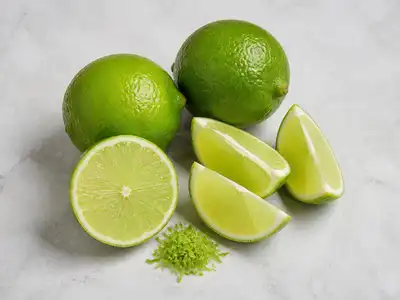
Can You Freeze Lime?
Yes, you can freeze limes whole or as juice, zest, wedges, and slices. Juice and zest keep their cooking value best, while thawed whole limes and wedges become soft and are better for squeezing than garnishing. Package them airtight at 0°F / -18°C and use within about 4 months for best household quality.
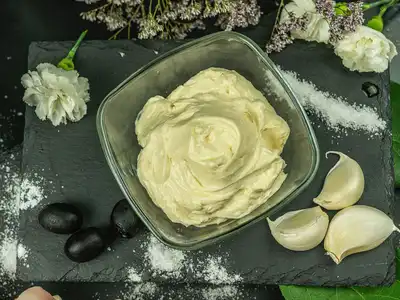
Can You Freeze Mayonnaise?
No - freezing mayonnaise is not recommended, and this is one of the few genuinely firm "don't" answers on this site. Mayonnaise is an emulsion (oil droplets suspended in an egg-and-vinegar water phase); freezing ruptures that structure permanently, and thawed mayonnaise separates into a watery, curdled, oily mess that no amount of stirring or blending will fix. Store-bought mayonnaise keeps about 2 months in the fridge once opened, which is normally plenty of time to use it up without ever needing the freezer.
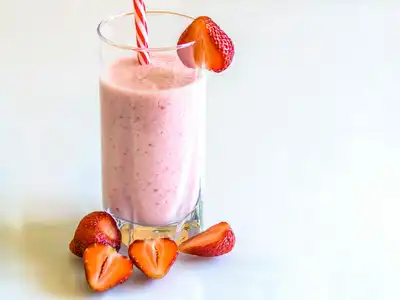
Can You Freeze Milkshake?
Yes, milkshakes can be frozen safely if handled like other perishable “leftover” foods. Chill fast, freeze at 0°F (−18°C), and thaw in the fridge. Expect texture changes (ice crystals, separation), but flavor holds well for 1–3 months when packed airtight with headspace.
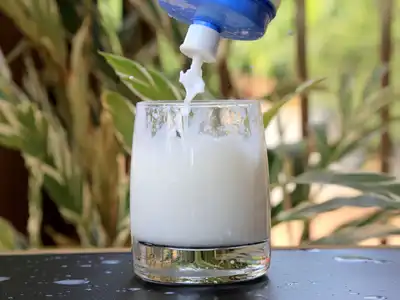
Can You Freeze Oat Milk?
Yes, you can freeze oat milk, but it's more of a backup plan than a habit worth building. Freezing tends to leave it grainy or slightly slimy once thawed, since freezing disrupts both the added emulsifiers and the oats' natural beta-glucan (a soluble fiber that behaves a bit like a thickener) that keep it smooth. It's perfectly safe to drink, just not as pleasant straight from a glass - plan on cooking, baking, or coffee rather than sipping it plain, and give it a good shake or blend before using.
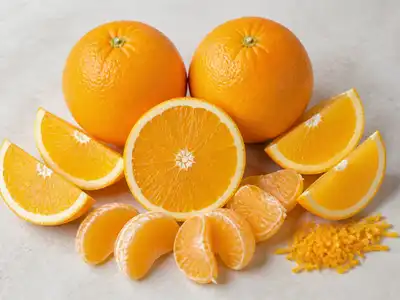
Can You Freeze Orange?
Yes, you can freeze oranges whole or as peeled segments, slices, zest, and juice. Juice and zest are the most versatile; thawed whole oranges and dry-packed pieces become soft. NCHFP's tested section method uses peeled, membrane-free fruit covered with 40 percent syrup, while juice should be frozen promptly with headspace.
Can You Freeze Pesto?
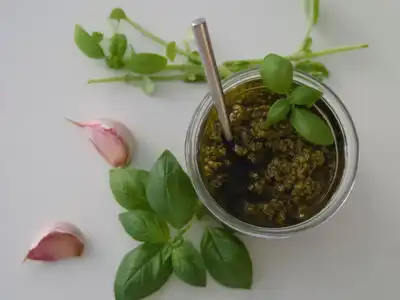
Yes, pesto freezes exceptionally well - genuinely one of the best foods to freeze on this whole site, which is why the ice-cube-tray method is such a well-known trick. Portioned into cubes and topped with a thin layer of olive oil to block oxygen, fresh basil pesto holds its bright green color and flavor for about 6 months, with best quality in the first 3. The oil layer isn't optional decoration - it's the single step that keeps pesto from turning brown and bitter in the freezer.

Can You Freeze Rum?
You can put rum in the freezer, but most standard 40% ABV rum will become very cold and syrupy rather than freeze solid in a normal home freezer. Lower-alcohol rum liqueurs and pre-mixed rum drinks contain more water and may turn slushy or freeze. Freezing is unnecessary for preservation, and a tightly closed bottle kept upright in a cool, dark cupboard is usually the better choice.
Can You Freeze Salad Dressing?
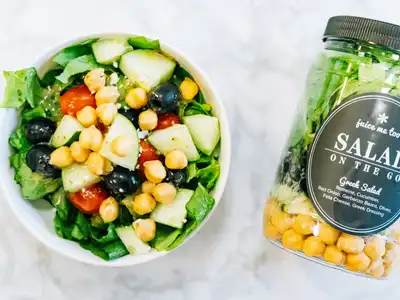
You can freeze some salad dressings, but most creamy, mayonnaise-based and emulsified dressings separate after thawing and are not worth freezing. A simple vinaigrette is usually better refrigerated because oil can cloud or firm when cold, then return to normal after warming and shaking. If you freeze a homemade dressing, use a small freezer-safe container, leave expansion space and expect to whisk or blend it after a refrigerator thaw.
Can You Freeze Soup?
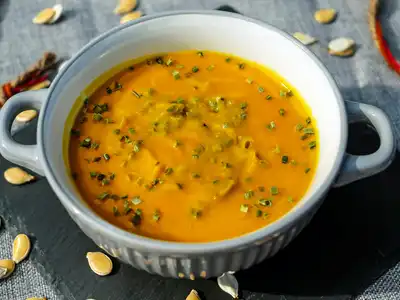
Yes, soup freezes beautifully and is perfect for meal prep! Most broth-based soups maintain excellent quality when frozen for 2-3 months. Cream-based varieties need special handling since dairy can separate, but they're still freezable with proper technique. It's one of the easiest foods to store long-term.

Can You Freeze Starbucks Frappuccino?
You can put a Frappuccino in the freezer, but it's honestly not a great idea. A blended milk-and-ice drink separates into a grainy, icy slush once frozen and thawed, and any whipped cream on top won't survive at all. A smarter move is freezing the coffee itself (brewed coffee or cold brew as cubes) rather than the finished, already-blended drink.