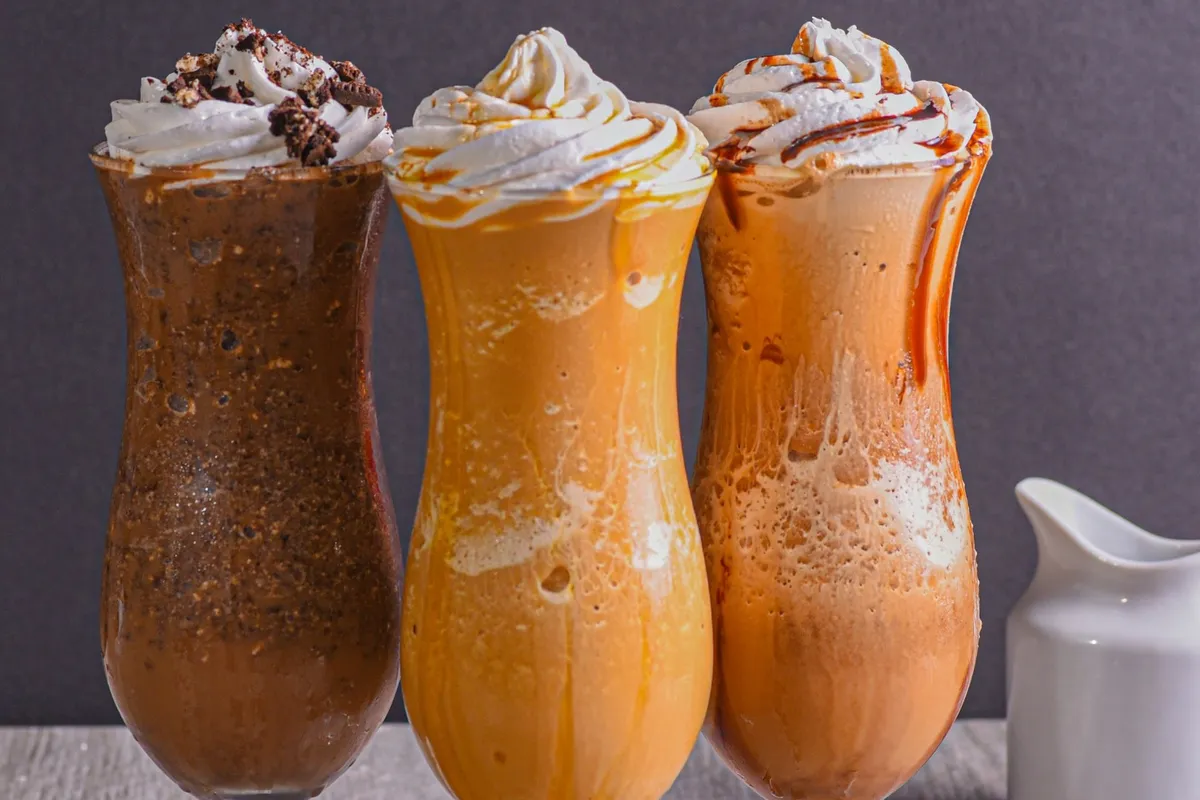
Official Storage Guidelines for Starbucks Frappuccino
🇺🇸 USDA Guidelines
🇬🇧 FSA Guidelines
Disclaimer: This information is provided for general guidance only. It is based on publicly available USDA and FSA recommendations at the time of publication. Storage times may vary depending on handling, packaging, and storage conditions. Always check official sources and use your best judgment to ensure food safety.
This guide contains Amazon affiliate links, marked ↗. If you buy through one, we may earn a commission at no extra cost to you. Learn more about affiliate links.
Frequently Asked Questions
Can you freeze a Starbucks Frappuccino and still drink it afterward?
You can, but you probably won't enjoy the result. A Frappuccino is already a blend of milk (or cream), ice, and coffee or syrup, whipped into a slushy consistency. Freezing it solid and thawing it breaks that structure apart.
When it thaws, the milk fat and water that were blended together separate out, leaving a grainy, watery layer instead of a smooth drink. Stirring or re-blending helps a little, but it won't fully recover the original texture.
It's not a safety issue as long as it was cold the whole time, just a texture and flavor letdown. If you're trying to avoid waste, you're generally better off drinking what you can and accepting the rest is gone, rather than freezing a half-finished cup for later.
Can Frappuccinos be refrozen after they've thawed?
Refreezing a thawed, already-separated Frappuccino is possible from a strict safety standpoint if it stayed at or below 40°F / 4°C the entire time, but there's little point.
Each freeze-thaw cycle makes the separation worse: more grainy fat clumps, more watery liquid, less of the smooth blended texture you started with. By a second freeze, most people would rather just make a fresh drink.
If the drink was left out at room temperature for more than 2 hours (1 hour above 90°F / 32°C) at any point, don't refreeze it or drink it - treat it like any other dairy product that's spent too long in the danger zone.
Does a Frappuccino freeze well?
Not really, and this comes down to what a Frappuccino actually is: a fat-in-water emulsion (milk or cream) blended with ice and whipped into a foam-like texture.
Freezing forms ice crystals that physically disrupt that emulsion, so the milk fat clumps together instead of staying evenly distributed. Whipped cream on top is even more fragile - it's an emulsion with air whipped into it, and that airy structure collapses entirely once ice crystals form and then melt away, leaving flat, watery cream.
The coffee itself isn't the problem; plain brewed coffee or cold brew freezes and thaws just fine, since there's no fat or air structure to disrupt. The dairy and whipped cream are what make an assembled Frappuccino a poor freezer candidate.
Best way to store a Frappuccino you can't finish
For the short term, the fridge is the better option, not the freezer. Cover it and keep it at or below 40°F / 4°C, and plan to drink it within about a day - dairy-based drinks don't have a long fridge life even when refrigerated promptly.
If you specifically want to save coffee for later rather than the whole assembled drink, pour off and freeze the coffee base separately from any milk or whipped cream, in an airtight container or a lidded silicone tray(affiliate link, opens Amazon). That portion holds up far better than the finished drink does.
A vacuum-sealed or tightly lidded container limits both freezer burn and the drink picking up odors from other food in the fridge or freezer.
Best uses for coffee you've frozen from a Frappuccino or any iced coffee
Frozen brewed coffee or cold brew (no dairy added) is genuinely useful, and coffee ice cubes are the best use of it. Freeze plain coffee in an ice cube tray, then use the cubes in your next iced coffee or cold brew instead of regular ice - they chill the drink without watering it down as it melts, since they're coffee, not just water.
Frozen coffee also works blended straight from frozen into a new milkshake-style drink: blend the coffee cubes with fresh milk, ice, and sweetener to build a new Frappuccino-style drink from scratch, rather than trying to save the original.
It's also a fine addition to coffee-flavored baking, like coffee ice cream, tiramisu, or a mocha smoothie, where a little dilution or texture change doesn't matter.
Can you freeze an unopened bottled or canned Frappuccino from the grocery store?
It's not recommended. Bottled and canned Frappuccino drinks sold in grocery stores are shelf-stable (UHT-processed) products designed to be kept in the fridge or at room temperature, not frozen.
Glass bottles are the bigger practical risk: liquid expands as it freezes, and a full glass bottle can crack or shatter in the freezer, which is both a mess and a safety hazard when you go to grab it.
Cans and plastic bottles are less likely to shatter, but the drink inside will still separate the same way a homemade blended coffee drink does, so you'd end up with a grainy, broken texture even if the container survives. It's simpler to just follow the printed best-by date and keep it refrigerated instead.
How long does a Frappuccino actually last in the fridge before it goes bad?
A homemade or café-made Frappuccino, being a fresh dairy-based drink with no preservatives, is realistically a same-day drink. If you must save some, refrigerate it promptly and plan to finish it within about 24 hours, and expect some separation even in the fridge - give it a stir before drinking.
Store-bought bottled or canned versions are different: they're shelf-stable before opening and carry a printed best-by date, often months out, because they're processed differently from a fresh blended drink. Once opened, treat them like any opened dairy product and refrigerate, using them within a day or two.
If anything smells sour, looks curdled beyond a light, stirrable separation, or has been unrefrigerated for more than 2 hours, don't drink it.
Is it safe to drink a Frappuccino that's been left in a hot car?
No, not if it's been more than an hour. Milk-based drinks are perishable, and the standard food-safety rule for any dairy product or cooked food is 2 hours at room temperature, dropping to just 1 hour once the temperature is above 90°F / 32°C - which describes a parked car in summer almost anywhere.
Bacteria that can cause illness grow fastest in that 40–140°F (4–60°C) "danger zone," and a hot car sits well inside it. There's no way to tell by smell or taste alone whether a drink has become unsafe, so when in doubt within that window, it's not worth the risk - just make a fresh one.
Can you make your own frozen blended coffee drink from scratch and actually freeze portions of it?
Not the finished blended drink itself, for the same reasons a Frappuccino doesn't freeze well - but you can freeze the building blocks and blend fresh each time, which gets you most of the convenience without the texture problems.
Freeze strong brewed coffee or espresso in an ice cube tray, and keep milk, sweetener, and any syrups on hand separately. When you want a drink, blend the frozen coffee cubes with fresh milk and flavorings - you get the same frozen-drink texture every time because you're freezing only the water-based component, not the dairy or air structure that breaks down in the freezer.
This is really the practical takeaway for freezing any blended coffee drink: freeze the coffee, not the finished milkshake-style result.
Starbucks Frappuccino Freezing and Storage Guide
Can you freeze a Starbucks Frappuccino? Physically, yes, nothing stops you from putting a cup in the freezer. Whether you’ll want to drink what comes out the other side is a different question, and the honest answer is: probably not as-is. Starbucks doesn’t publish home-freezing instructions for its drinks, so everything here is general dairy and food-safety guidance applied sensibly to a blended coffee drink, not manufacturer advice.
Why an Already-Blended Coffee Drink Doesn’t Come Back the Same
A Frappuccino, whether from a café or made at home, is fundamentally an emulsion: milk or cream (fat suspended in water) blended with ice and coffee or syrup into a smooth, slushy texture. That structure depends on the fat staying evenly distributed through the water. Freezing disrupts it. As ice crystals form, they concentrate the fat and push it out of suspension, and when the drink thaws, that fat doesn’t recombine on its own - it separates into grainy clumps floating in a thinner, watery liquid.
Whipped cream on top has an even more fragile structure to lose. It’s the same fat-in-water emulsion as cream, but with air whipped into it to create that light, foamy texture. Freezing destroys the air pockets along with the fat structure, so thawed whipped cream doesn’t come back fluffy - it comes back as flat, loose liquid, essentially cream again, just worse for having been frozen.
None of this makes a frozen-and-thawed Frappuccino unsafe, assuming it was kept cold the whole time. It’s purely a texture problem, the same kind of separation you’d see freezing any milkshake, latte, or cream-based sauce.
What Actually Freezes Fine: The Coffee Itself
The part of a Frappuccino that has no trouble in the freezer is the coffee. Plain brewed coffee or cold brew, with no milk or cream added, is mostly water and dissolved coffee solids - there’s no fat emulsion or whipped-in air to break down. It freezes and thaws cleanly, which is the basis for the most useful practical tip on this whole topic: if you want to freeze something coffee-related, freeze the coffee, not the finished blended drink.
Flavored syrups behave the same way as plain coffee, for the same reason: caramel, vanilla, mocha, and similar syrups are mostly sugar and water with no fat emulsion to break down, so they freeze and thaw cleanly on their own. If you make your own flavored coffee drinks, freezing pre-portioned syrup or flavored coffee cubes separately from any milk is a reliable way to prep ahead without touching the part that actually causes problems.
Coffee ice cubes are the classic application. Pour leftover brewed coffee or cold brew into a lidded silicone tray(affiliate link, opens Amazon) and freeze it solid. Use those cubes instead of regular ice in your next iced coffee or blended drink, and they’ll chill the drink without watering it down as they melt, since they’re coffee melting into coffee rather than plain water diluting it.
Freezing Coffee Components for a Build-Your-Own Frozen Drink
If what you’re really after is a frozen blended coffee drink on demand, the better strategy is to build one fresh each time from frozen coffee and fresh dairy, rather than trying to freeze and revive a fully assembled drink. Freeze strong coffee or espresso in cube form, keep milk, sweetener, and any syrups on hand in the fridge, and blend a fresh batch when you want one. You get the same frozen texture every time, because you’re only ever freezing the water-based ingredient, and adding the dairy fresh right before blending, which is exactly the part that doesn’t survive freezing well.
What About Store-Bought Bottled or Canned Frappuccino?
Grocery-store bottled and canned Frappuccino drinks are a different product from a freshly blended café drink. They’re processed to be shelf-stable (commonly through UHT-style heat treatment) and are meant to sit in the fridge or at room temperature until opened, tracked by a printed best-by date rather than a short fresh-dairy window.
Freezing them isn’t recommended, for two separate reasons. First, and most practically, a full glass bottle can crack or shatter as the liquid inside expands during freezing - not just inconvenient, but a real cut hazard when you go to retrieve it. Second, even if the container survives (a can or plastic bottle is less likely to break than glass), the drink inside will separate on thawing in the same way a homemade blended drink does, so you’d still end up with a grainy, broken texture. It’s simpler and safer to just follow the label and keep unopened bottles refrigerated or at the recommended storage temperature.
How Long a Frappuccino Actually Lasts
A fresh, dairy-based blended coffee drink, homemade or café-made, is realistically a same-day product. If you need to save part of one, refrigerate it promptly at or below 40°F / 4°C and plan to finish it within about 24 hours; expect some separation even under refrigeration, and give it a stir before drinking. Store-bought bottled or canned versions last considerably longer unopened, thanks to their processing and packaging, but once opened they should be treated like any other opened dairy product: refrigerated and used within a day or two.
Safe Handling Basics for a Milk-Based Drink
Because a Frappuccino is dairy-based, the standard food-safety “danger zone” rule applies: don’t let it sit at room temperature for more than 2 hours, or more than 1 hour if it’s somewhere hotter than 90°F / 32°C, such as a car in summer. Bacteria that can cause illness grow fastest in that window, and there’s no reliable way to tell by smell or taste whether a drink has crossed into unsafe territory. When a drink has been sitting out too long, the safer move is always to make a fresh one rather than risk it, freezing included - freezing pauses bacterial growth, it doesn’t reverse whatever already happened while a drink sat out.
The Practical Takeaway
If you’re trying to reduce waste or stock up on iced coffee for later, don’t freeze the finished, assembled Frappuccino - freeze the coffee. Coffee ice cubes, frozen cold brew, or a stash of espresso cubes in the freezer give you nearly all the convenience with none of the grainy, separated texture that freezing a milk-and-cream drink produces. Save the dairy and whipped cream for the moment you’re actually about to drink it.
Editor's Picks
Gear Worth Buying for Starbucks Frappuccino
Souper Cubes 1/2 Cup Silicone Freezer Tray with Lid
Freezes leftover coffee or Frappuccino base into blend-ready cubes instead of one solid block.
Shop on AmazonStasher Stand-Up Mid Reusable Silicone Bag (56 oz)
A premium, reusable stand-in for disposable freezer bags - freezer, oven, and dishwasher safe.
Shop on AmazonRubbermaid Brilliance Airtight Food Storage Containers, 24-Piece Set
A complete, leak-proof set that covers nearly any portion size this guide calls for.
Shop on Amazon
As an Amazon Associate, we earn from qualifying purchases.
Important Safety Guidelines
- A Frappuccino is a dairy-based drink. Keep it cold (≤40°F / 4°C) and follow the standard 2-hour rule for perishables at room temperature, or 1 hour if it's been sitting somewhere hotter than 90°F / 32°C (a hot car in summer, for example).
- Freezing a milk-and-ice blended drink is not recommended for quality reasons, not because it becomes unsafe. It stays safe if it was kept cold the whole time; it just separates and turns grainy, and whipped cream collapses into liquid rather than staying whipped.
- Never freeze an unopened glass bottle of a store-bought Frappuccino. Liquid expands as it freezes and can crack glass, which is both a mess and a cut hazard.
- If you do freeze coffee (plain brewed coffee or cold brew, no dairy added), it's genuinely low-risk to freeze and use later - it's mostly water and coffee solids, not a perishable dairy product.
- Discard any Frappuccino, homemade or store-bought, that smells sour, looks curdled beyond simple ice-separation, or has been left unrefrigerated past the 2-hour/1-hour window.
- This page applies general food-safety and dairy-storage guidance to a specific popular drink. Starbucks does not publish or endorse instructions for freezing its drinks at home; this is not manufacturer guidance.
- Keep your fridge at or below 40°F / 4°C and your freezer at 0°F / −18°C, and use an appliance thermometer if you're unsure.
Key Safety Reminders
- Always label containers with freezing date
- Use airtight containers to prevent freezer burn
- Follow proper thawing procedures
You Might Also Like

Can You Freeze Chick-fil-A Nuggets?
Yes, you can freeze leftover Chick-fil-A nuggets. Chill them quickly, freeze in a single layer so they don't clump, then reheat in an oven or air fryer rather than a microwave to keep the breading from going soggy. Chick-fil-A doesn't publish its own freezing guidance, so this follows general USDA rules for cooked, breaded chicken.

Can You Freeze Chicken Broth and Stock?
Yes, chicken broth and stock freeze exceptionally well. Cool homemade broth quickly, portion it, leave expansion space, and freeze for about 2-3 months for best quality. Commercial broth can also be frozen after opening. Never freeze broth in an unopened can, carton or completely full glass jar.
Can You Freeze Chipotle Burritos?
Yes, a leftover Chipotle-style burrito freezes reasonably well once you strip out the fresh, watery ingredients first. The rice, beans, meat, cheese and tortilla hold up fine at 0°F / −18°C for a few months; lettuce, fresh salsa, sour cream and guacamole don't, and are better removed before freezing and added back fresh after reheating.
Can You Freeze Coconut Milk?
Yes, coconut milk freezes well - it's one of the more freezer-friendly liquids on this site, and freezing leftover canned coconut milk in an ice cube tray is a genuinely popular, effective trick. Expect it to separate into a firmer, whiter layer and a more watery layer as it freezes and thaws; this is completely normal and disappears once you blend it for about 30 seconds after thawing. Opened, it holds well for about 2 months in the freezer and 4-6 days in the fridge.
Sources & References
This information is based on official guidelines from trusted food safety authorities:
FoodKeeper App - FoodSafety.gov
View Source →Are You Storing Food Safely?
View Source →Freezing and Food Safety
View Source →How to chill, freeze and defrost food safely
View Source →Preparing and cooking food safely
View Source →
About the Author

Disclaimer
The information on this website is provided for general informational purposes only. While we work to keep our food storage and freezing guides accurate and current, we are not food safety professionals, nutritionists, or medical experts, and our recommendations may not account for every individual circumstance, product type, or storage condition.
Always consult official food safety guidance (such as your national food safety agency) and use your own judgment before consuming stored or frozen food. CanIFreeze.com assumes no responsibility or liability for any loss, damage, illness, or other adverse outcome resulting from reliance on the information provided on this site.
CanIFreeze.com is a participant in the Amazon Associates Program, an affiliate advertising program designed to provide a means for sites to earn advertising fees by linking to Amazon.com and its affiliated sites. As an Amazon Associate we earn from qualifying purchases made through links on this site, at no extra cost to you. Product links are clearly marked where they appear.
Disclaimer date: