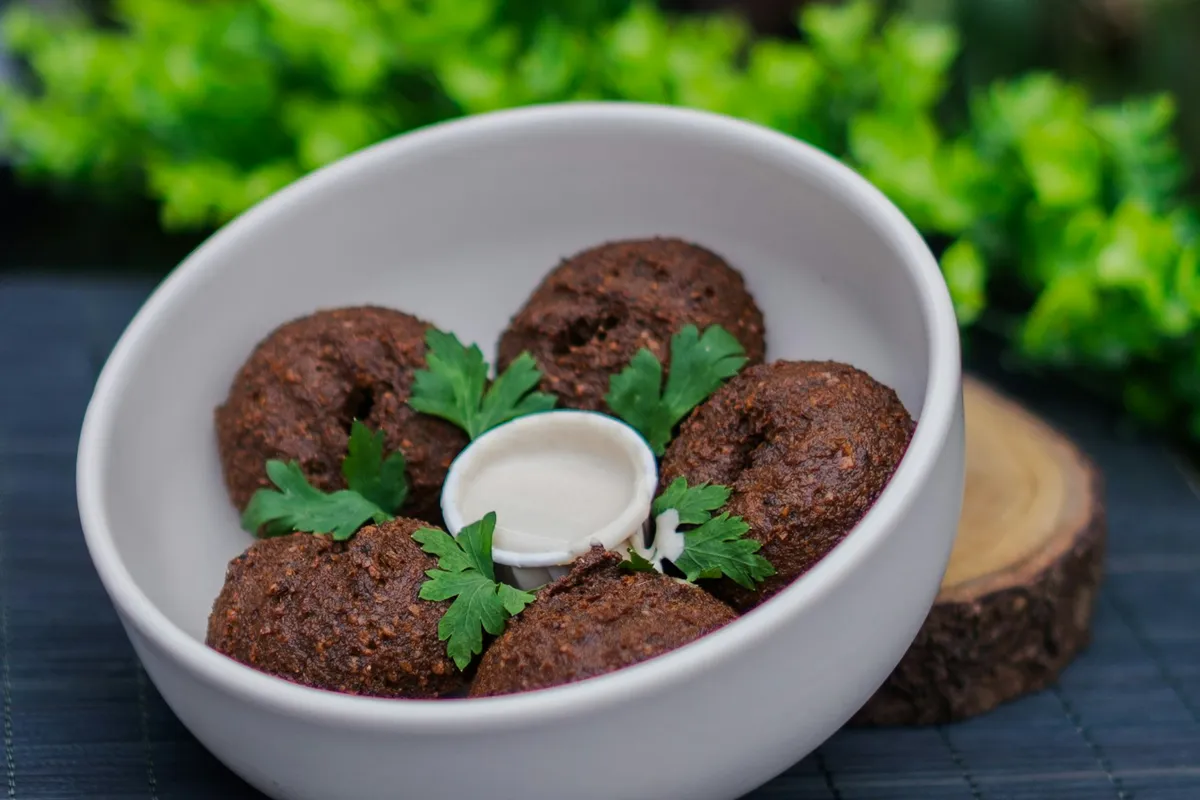
Official Storage Guidelines for Falafel
🇺🇸 USDA Guidelines
🇬🇧 FSA Guidelines
Disclaimer: This information is provided for general guidance only. It is based on publicly available USDA and FSA recommendations at the time of publication. Storage times may vary depending on handling, packaging, and storage conditions. Always check official sources and use your best judgment to ensure food safety.
This guide contains Amazon affiliate links, marked ↗. If you buy through one, we may earn a commission at no extra cost to you. Learn more about affiliate links.
Frequently Asked Questions
Is falafel better frozen before or after cooking?
Uncooked, shaped falafel gives the best crust because it goes through only one cooking cycle. Form balls or patties, freeze them in a single layer until hard, then transfer them to a freezer bag(affiliate link, opens Amazon). This also stops fragile pieces from sticking together.
Cooked falafel is more convenient and still freezes well, but reheating can dry its interior. Freeze it only after it has cooled, and use an oven or air fryer rather than a microwave when crispness matters.
Can you cook falafel straight from frozen?
Yes. Fry, bake, or air-fry shaped uncooked falafel from frozen, allowing extra time for the center to heat. Avoid packing oversized balls, because the outside can brown before the middle cooks. Split one test piece if you do not have a reliable recipe time.
Cooked frozen falafel can also be reheated without thawing. Arrange pieces in one layer and heat until the centers reach 165°F (74°C). A light brush of oil helps baked pieces regain a crisp surface.
Can you freeze falafel mixture in one container?
You can, but shaping first is usually smarter. A solid tub requires a full refrigerator thaw before portioning, and the herbs release moisture during that wait. Pre-shaped pieces are ready to cook and let you take only what you need.
If you must freeze bulk mixture, press a piece of freezer wrap against the surface and use a shallow container. Thaw in the refrigerator, stir once, and shape while cold. Do not refreeze mixture that spent hours at room temperature.
What should be frozen separately from falafel?
Keep wet and crisp components apart. Tahini sauce can separate, salad becomes watery, and filled pita turns soggy. Freeze the falafel alone, then add fresh vegetables and hummus after reheating.
A composed falafel wrap is technically freezable, but it is a convenience compromise. If freezing wraps, omit tomato, cucumber, lettuce, and sauce; add them after the hot components are reheated.
Falafel Freezing and Storage Guide
Falafel is one of the rare foods where freezing before cooking is usually better than freezing leftovers. A raw, shaped piece gets its first and only cook after leaving the freezer, so its crust is fresh and its center retains more moisture.
How to Freeze Uncooked Falafel
Prepare the mixture, shape it, and freeze the pieces on a lined tray without touching. Once solid, pack them in a reusable freezer bag(affiliate link, opens Amazon). This two-stage method is worth the extra tray because it creates a bag of individually usable falafel rather than one immovable mass.
How to Freeze and Reheat Cooked Falafel
Cooked falafel is still a good freezer food for lunch prep. Cool it promptly and freeze for up to about 3 months. Reheat in a hot oven or air fryer; microwaving warms it safely but trades the crisp shell for a soft one.
What to Serve with Thawed Falafel
Treat the accompaniments as a separate meal-prep problem. Freeze the falafel, not the assembled salad. Add hummus, tahini, pickles, and fresh vegetables after reheating so the meal tastes deliberate rather than merely thawed.
Editor's Picks
Gear Worth Buying for Falafel
Stasher Stand-Up Mid Reusable Silicone Bag (56 oz)
A premium, reusable stand-in for disposable freezer bags - freezer, oven, and dishwasher safe.
Shop on AmazonRubbermaid Brilliance Airtight Food Storage Containers, 24-Piece Set
A complete, leak-proof set that covers nearly any portion size this guide calls for.
Shop on Amazon
As an Amazon Associate, we earn from qualifying purchases.
Important Safety Guidelines
- Soak dried chickpeas in the refrigerator, not on the counter, when the soak will last more than 2 hours.
- Do not taste uncooked falafel mixture if it contains raw flour; flour is a raw food and cooking is the kill step.
- Cool cooked falafel and refrigerate or freeze within 2 hours, or 1 hour above 90°F (32°C).
- Tray-freeze portions until firm before bagging so they do not fuse into one block.
- Cook raw frozen falafel completely until the center is piping hot; reheat cooked leftovers to 165°F (74°C).
- Keep tahini sauce, hummus, chopped salad, and pita separate during freezing and thawing.
- Discard falafel mixture with sour odor, unusual slime, or an uncertain time-temperature history.
Key Safety Reminders
- Always label containers with freezing date
- Use airtight containers to prevent freezer burn
- Follow proper thawing procedures
You Might Also Like
Can You Freeze Coconut Milk?
Yes, coconut milk freezes well - it's one of the more freezer-friendly liquids on this site, and freezing leftover canned coconut milk in an ice cube tray is a genuinely popular, effective trick. Expect it to separate into a firmer, whiter layer and a more watery layer as it freezes and thaws; this is completely normal and disappears once you blend it for about 30 seconds after thawing. Opened, it holds well for about 2 months in the freezer and 4-6 days in the fridge.

Can You Freeze Cookie Dough?
Yes, cookie dough freezes remarkably well and actually benefits from it. Both homemade and store-bought varieties can be frozen for 2-3 months while maintaining quality. The freezer acts like a pause button, keeping your dough fresh until you're ready to bake those warm cookies whenever a craving strikes.
Can You Freeze Corn on the Cob?
Yes, corn on the cob freezes wonderfully and is one of the easiest vegetables to preserve. When properly blanched and stored at 0°F (-18°C), frozen corn maintains its sweetness, texture, and nutritional value for 8 to 12 months, making it a convenient year-round staple.
Can You Freeze Eggnog?
Yes - eggnog can be frozen if it's the commercial, pasteurized kind; the USDA's consumer chart lists "Eggnog, commercial" as freezer-safe for up to 6 months (0°F / −18°C). Homemade eggnog should not be frozen, and both types must be kept cold: 40°F / 4°C or below. Always check labels and use pasteurized eggs.
Sources & References
This information is based on official guidelines from trusted food safety authorities:
Leftovers and Food Safety
View Source →Handling Flour Safely: What You Need to Know
View Source →How to chill, freeze and defrost food safely
View Source →
About the Author

Disclaimer
The information on this website is provided for general informational purposes only. While we work to keep our food storage and freezing guides accurate and current, we are not food safety professionals, nutritionists, or medical experts, and our recommendations may not account for every individual circumstance, product type, or storage condition.
Always consult official food safety guidance (such as your national food safety agency) and use your own judgment before consuming stored or frozen food. CanIFreeze.com assumes no responsibility or liability for any loss, damage, illness, or other adverse outcome resulting from reliance on the information provided on this site.
CanIFreeze.com is a participant in the Amazon Associates Program, an affiliate advertising program designed to provide a means for sites to earn advertising fees by linking to Amazon.com and its affiliated sites. As an Amazon Associate we earn from qualifying purchases made through links on this site, at no extra cost to you. Product links are clearly marked where they appear.
Disclaimer date: