Category
Ethnic Foods
Freezing and storage guidance for global ingredients, from fermented staples like kimchi and miso to prepared dishes like sushi and falafel.
Example foods
- Falafel
- Hummus
- Kimchi
- Miso
- Sushi
- Sauerkraut
Foods in Ethnic Foods

Can You Freeze Coconut Milk?
Yes, coconut milk freezes well - it's one of the more freezer-friendly liquids on this site, and freezing leftover canned coconut milk in an ice cube tray is a genuinely popular, effective trick. Expect it to separate into a firmer, whiter layer and a more watery layer as it freezes and thaws; this is completely normal and disappears once you blend it for about 30 seconds after thawing. Opened, it holds well for about 2 months in the freezer and 4-6 days in the fridge.

Can You Freeze Eggnog?
Yes - eggnog can be frozen if it's the commercial, pasteurized kind; the USDA's consumer chart lists "Eggnog, commercial" as freezer-safe for up to 6 months (0°F / −18°C). Homemade eggnog should not be frozen, and both types must be kept cold: 40°F / 4°C or below. Always check labels and use pasteurized eggs.

Can You Freeze Falafel?
Yes, falafel freezes well either shaped and uncooked or fully cooked. For the crispest result, tray-freeze uncooked patties or balls, transfer them to an airtight bag, and cook them from frozen; cooked falafel is best used within about 3 months. Freeze sauces and salad separately, because wet accompaniments quickly soften the crust.
Can You Freeze Guacamole?
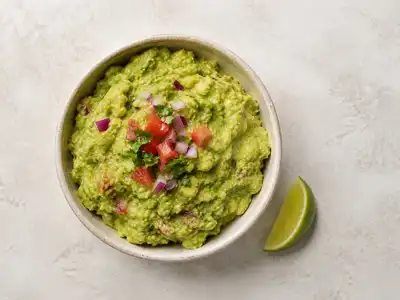
Yes, you can freeze guacamole. For the best texture, freeze a simple avocado-heavy batch without watery tomato or crunchy garnishes, press out air, and use it within about 3 months for quality. Thaw it covered in the refrigerator, stir well, then add fresh onion, tomato, cilantro, and lime to restore flavor and texture.
Can You Freeze Hummus?
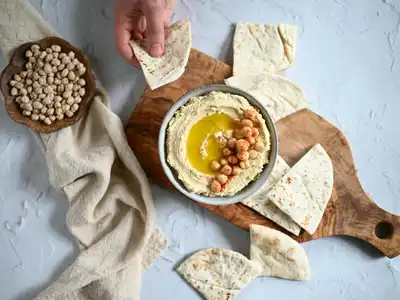
Yes, you can freeze hummus. Portion it into airtight containers, leave headspace, and freeze at 0°F / -18°C. Thaw in the fridge (40°F / 4°C), stir to re-emulsify, and use promptly. Hummus freezing is an easy way to batch-cook, control portions, and cut waste while staying food-safe.
Can You Freeze Kimchi?
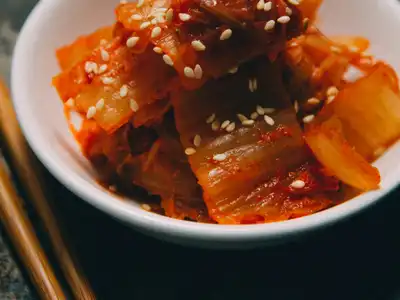
Yes, kimchi can be frozen, but freezing stops active fermentation and softens the vegetables. Freeze mature kimchi in small airtight portions with headspace for the liquid to expand. University of Minnesota Extension says properly fermented produce can remain frozen indefinitely, but thawed kimchi is best in cooked dishes because its crisp texture declines.
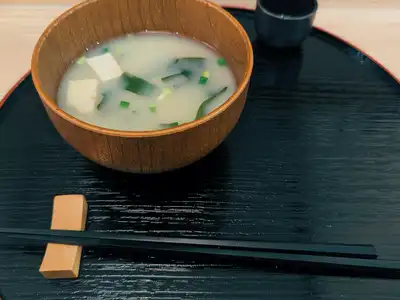
Can You Freeze Miso?
Yes, miso paste can be frozen, although its salt content means it often stays scoopable rather than becoming a hard block. Portion it or freeze the tightly closed package, following its best-before date for quality. Refrigeration is usually sufficient for everyday storage, while freezing is most useful for a large tub that will be used slowly.

Can You Freeze Pastel de Nata?
Yes, you can freeze baked pastel de nata, although the custard will not return to quite the same texture as a fresh tart. Freeze each cooled tart separately, then wrap it well and reheat it with dry heat so the pastry crisps again. The shell generally recovers better than the egg custard, which can release a little water or become slightly grainy after thawing. For the best result, freeze only fresh tarts and use the freezer as short-term storage rather than keeping them for months.
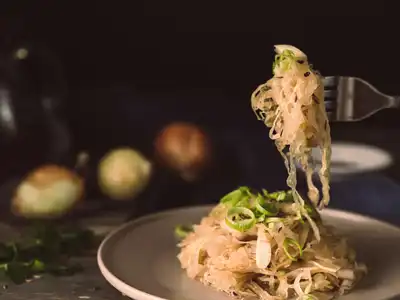
Can You Freeze Sauerkraut?
Yes, you can freeze sauerkraut for 8-12 months, though freezing reduces probiotic content and can soften the texture. It's best stored in the refrigerator where it keeps for several months while maintaining beneficial bacteria. Freeze only if you have excess that won't be consumed in time.

Can You Freeze Sushi?
Mostly no - assembled sushi (rice, nori, raw fish, vegetables) freezes badly: the rice turns hard and gritty, the nori goes soggy, and raw fish gets mushy. But the raw fish itself is a different story - the FDA actually requires "sushi-grade" fish to be frozen before it's served raw, specifically to kill parasites. Cooked-ingredient rolls (tempura, imitation crab, cooked shrimp) freeze a bit better than raw-fish rolls, though quality still suffers compared to fresh.
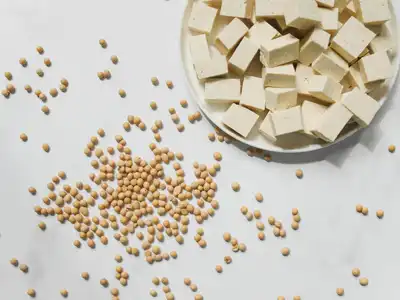
Can You Freeze Tofu?
Yes - tofu freezes safely and, for firm and extra-firm varieties, often improves for certain dishes because freezing gives it a chewier, spongier texture. Freeze water-packed tofu at 0°F / -18°C for best quality up to 5 months (USDA). In the UK, treat opened tofu like other chilled leftovers: keep ≤40°F / 4°C and use within a couple of days, or freeze for best quality within about 2 months.
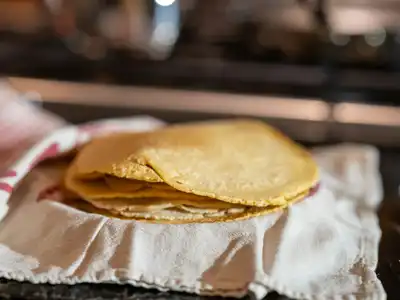
Can You Freeze Tortillas?
Yes, flour and corn tortillas freeze well. Separate them into useful portions, press out excess air and protect the stack with freezer-safe packaging; flour tortillas keep their best quality for about 6 months. Thaw a whole packet in the refrigerator or warm individual tortillas straight from frozen. Corn tortillas are more prone to cracking, so thaw or warm them gently before folding.