
Official Storage Guidelines for Sauerkraut
🇺🇸 USDA Guidelines
🇬🇧 FSA Guidelines
Disclaimer: This information is provided for general guidance only. It is based on publicly available USDA and FSA recommendations at the time of publication. Storage times may vary depending on handling, packaging, and storage conditions. Always check official sources and use your best judgment to ensure food safety.
This guide contains Amazon affiliate links, marked ↗. If you buy through one, we may earn a commission at no extra cost to you. Learn more about affiliate links.
Frequently Asked Questions
Can I cook sauerkraut directly from frozen?
Yes, you can cook sauerkraut straight from the freezer without thawing it first, and this is actually one of the best ways to use frozen kraut. Add it directly to hot dishes like soups, stews, braised meats, or casseroles where it will thaw and heat through during cooking. The cooking process helps mask any texture changes that occurred during freezing.
For recipes where you're adding sauerkraut near the end of cooking, you might want to break up any large frozen clumps first. Just run the freezer bag under cool water for a minute or gently press on it to separate the strands. This helps it incorporate more evenly into your dish.
Keep in mind that cooking sauerkraut eliminates any remaining probiotics (the beneficial bacteria), so if you froze it specifically for health benefits, this won't be the ideal approach. But if you're after that distinctive tangy flavor in cooked dishes like kielbasa and sauerkraut, pierogies, or Reuben casseroles, cooking from frozen works perfectly fine.
One tip: when using frozen sauerkraut in recipes, you may notice it releases more liquid than fresh kraut. You can drain some of this excess moisture before adding it to your dish if the recipe calls for a thicker consistency. The flavor will still be wonderfully tangy and authentic, making frozen sauerkraut a convenient pantry staple for quick weeknight meals.
Can sauerkraut be refrozen after thawed?
No, you should not refreeze sauerkraut once it has been thawed. Refreezing causes several problems that compromise both quality and potentially safety. Each freeze-thaw cycle damages the cell structure of the cabbage further, turning your sauerkraut increasingly mushy and unappetizing. The texture becomes almost paste-like after multiple freezing cycles, and nobody wants that on their hot dog.
More importantly, refreezing reduces whatever probiotic content survived the first freeze even further. Those beneficial bacteria that managed to stay dormant through the initial freezing won't fare as well through a second round. You'd essentially be left with fermented cabbage that has lost most of its health-promoting properties.
There's also a food safety angle to consider. When sauerkraut thaws, any bacteria present (good or bad) can become active again if it sits at room temperature. Refreezing doesn't kill these bacteria - it just puts them back on pause. This creates potential risk if the sauerkraut wasn't handled properly during the thawing period.
The smart approach is to freeze sauerkraut in smaller, portion-sized containers or bags. This way, you only thaw exactly what you need for a single use. If you typically add a half cup to recipes, freeze it in half-cup portions. This prevents waste and eliminates the temptation to refreeze leftovers. Once thawed, plan to use your sauerkraut within 3-5 days and keep it refrigerated until then.
Does sauerkraut freeze well?
Sauerkraut freezes adequately for certain purposes, but it's not what food scientists would call an "ideal" freezing candidate. The main issue is texture. Fresh sauerkraut has that wonderful crisp, crunchy bite that comes from the raw cabbage's cellular structure. When you freeze it, ice crystals form inside those cells, and they puncture the cell walls. After thawing, you're left with softer, sometimes slightly limp sauerkraut that's lost its signature crunch.
The probiotic situation is a mixed bag. Research shows that freezing doesn't kill all the beneficial bacteria in sauerkraut, but it does reduce their numbers significantly. Some strains go dormant and may reactivate after thawing, while others don't survive the process. If you're eating sauerkraut primarily for gut health benefits, fresh refrigerated kraut is definitely superior.
That said, frozen sauerkraut still has its place. The tangy, fermented flavor survives freezing quite well, which is why it works great in cooked applications. If you're making a pot of kielbasa and sauerkraut, a Reuben sandwich filling, or adding it to slow-cooked pork, the softened texture won't matter much. The flavor will still shine through beautifully.
Bottom line: sauerkraut freezes well enough for cooked dishes and situations where texture isn't critical. For eating raw or as a crunchy topping, stick with refrigerated fresh sauerkraut. Don't let perfect be the enemy of good though - frozen sauerkraut is infinitely better than wasted sauerkraut.
Best containers to freeze sauerkraut
Heavy-duty freezer bags are hands-down the most practical choice for freezing sauerkraut. They're flexible, which makes them easy to stack in a crowded freezer, and you can squeeze out excess air to minimize freezer burn. Look for bags specifically labeled "freezer bags" rather than regular storage bags - the thicker plastic holds up better to cold temperatures and prevents punctures. Lay the bags flat while freezing so you end up with neat, stackable rectangles.
Rigid plastic freezer containers work wonderfully too, especially the ones with airtight, snap-on lids. These are great if you're freezing larger quantities or want something more reusable and environmentally friendly. Just make sure to leave at least 1.5 inches of headspace at the top because the brine will expand as it freezes. BPA-free options are available from most major kitchenware brands, and they clean up easily in the dishwasher.
Glass freezer jars are an option but require extra caution. Only use jars specifically designed for freezing (they'll say "freezer safe" on the label), and never fill them more than two-thirds full. The wide-mouth Mason-style jars work better than narrow-necked ones because the ice has room to expand upward. Regular canning jars can crack in the freezer, leaving you with a mess and wasted sauerkraut.
Whatever container you choose, always label it clearly with the date and contents. Pro tip: portion your sauerkraut into meal-sized amounts (say, one or two cups per container) so you're not stuck thawing more than you need. This prevents waste and keeps your remaining frozen stash in optimal condition.
Best uses for sauerkraut after thawed
Cooked dishes are where thawed sauerkraut really shines. The texture changes from freezing become virtually unnoticeable when you braise sauerkraut with pork chops, kielbasa, or spare ribs. Slow-cooked preparations work especially well - toss thawed sauerkraut into your crockpot with some apple, onion, and caraway seeds alongside your favorite sausage, and let it bubble away for hours. The long cooking time melds all those flavors beautifully.
Reuben sandwiches and their variations are perfect vehicles for thawed sauerkraut. Whether you're making classic corned beef Reubens, turkey Reubens, or even Reuben dip for parties, the melted cheese and warm sandwich press mask any textural softness. The tangy flavor is what matters here, and that survives freezing intact. You can also stir thawed sauerkraut into casseroles, pierogi fillings, or use it as a topping for loaded baked potatoes.
Soups and stews benefit tremendously from the addition of sauerkraut. Traditional dishes like Polish zurek (sour rye soup) or German sauerkraut soup call for cooked kraut anyway. The acidic tang brightens rich, heavy dishes and adds complexity to the flavor profile. Just add the thawed sauerkraut during the last 15-20 minutes of cooking so it heats through without turning to mush.
One creative option: mix thawed sauerkraut into savory baked goods like rye bread or German sauerkraut balls (deep-fried appetizers). The moisture gets absorbed during baking or frying, and you're left with pockets of tangy flavor throughout. Just avoid using frozen-then-thawed sauerkraut raw as a side dish or salad topping where that crisp texture really matters.
Sauerkraut Freezing and Storage Guide
Freezing sauerkraut is possible, but it is primarily a waste-reduction option. Frozen storage stops microbial activity without reliably sterilizing the food. Because products and storage conditions vary, do not promise a specific percentage of live cultures after freezing; if live-culture retention is your priority, follow the maker’s refrigerated storage instructions instead.
The texture changes too. That satisfying crunch you get from fresh sauerkraut becomes softer and sometimes a bit mushy after thawing. Think of frozen sauerkraut as being better suited for cooked dishes like stews, casseroles, or Reubens with bread and cheese rather than eating it straight from the jar.
If you have a large homemade batch or an opened jar you cannot finish within its labelled refrigerated window, freezing beats throwing it away. Portion it with enough brine to cover the cabbage, leave headspace, and thaw in the fridge. Use it in cooked dishes with cabbage, bacon, or ham, where a softer texture is an advantage. Follow the package date for commercial sauerkraut rather than assuming every product lasts the same number of months.
Before Freezing Homemade Sauerkraut
Freeze only a properly completed ferment. Tested sauerkraut methods use the correct cabbage-to-salt ratio and keep the cabbage submerged while fermentation proceeds; freezing is not a rescue for a batch with surface mold, a rotten odor, sliminess or an untested low-salt process. When fermentation has reached the flavor you want, refrigerate it first so the product is cold before packing.
Do not confuse freezing with canning. Freezing preserves the sauerkraut only while it remains frozen. It does not create a shelf-stable jar, and a freezer container should never be stored in the pantry after thawing.
How to Freeze Sauerkraut with Brine
- Stir the batch with clean utensils so the cabbage and brine are distributed evenly.
- Pack recipe-size portions into freezer-safe containers or bags. Include enough brine to keep the cabbage moist, but do not add excess solely to fill the container.
- Leave headspace in rigid containers because liquid expands. If using bags, exclude excess air and freeze them flat on a tray.
- Label each portion as raw/unpasteurized or heat-processed if that distinction matters to you, plus the date and amount.
Glass is suitable only when the jar is explicitly freezer-safe and has adequate headspace. Narrow-neck jars are a poor choice because expanding brine can break them.
Does Freezing Kill Sauerkraut Probiotics?
Freezing can reduce viable microorganisms, but the result depends on the strains, food matrix, freezing rate, temperature and length of storage. That evidence does not support promising that all cultures survive or that all are killed. If you specifically eat sauerkraut for live cultures, use a product identified as containing live cultures and follow its refrigerated instructions. Sauerkraut that will be cooked cannot reasonably be marketed on the assumption that its live-culture count remains unchanged through heating.
Thawing and Using Frozen Sauerkraut
Thaw a covered portion in the refrigerator and use it promptly. For cooked dishes, it can also go into a saucepan from frozen with gentle heat. Drain only as much brine as the recipe requires; rinsing reduces acidity and salt as well as flavor. Expect softer cabbage, especially after a long freeze. A soft texture alone is not spoilage, but mold, a rotten rather than clean sour odor, or prolonged warm storage is a reason to discard it.
The same texture tradeoff applies to kimchi, although its seasoning and best cooked uses are different.
Editor's Picks
Gear Worth Buying for Sauerkraut
Stasher Stand-Up Mid Reusable Silicone Bag (56 oz)
A premium, reusable stand-in for disposable freezer bags - freezer, oven, and dishwasher safe.
Shop on AmazonRubbermaid Brilliance Airtight Food Storage Containers, 24-Piece Set
A complete, leak-proof set that covers nearly any portion size this guide calls for.
Shop on Amazon
As an Amazon Associate, we earn from qualifying purchases.
Important Safety Guidelines
- Always ensure your sauerkraut is fully fermented before freezing, which typically takes 3-6 weeks at proper temperatures between 60-75 degrees Fahrenheit (15-24 degrees Celsius).
- Use only freezer-safe containers like rigid plastic freezer containers, heavy-duty freezer bags, or glass freezer jars with at least 1.5 inches of headspace to allow for liquid expansion during freezing.
- Never freeze sauerkraut in glass jars without adequate headspace as the expanding brine can cause the container to crack or shatter.
- Keep your freezer temperature at 0 degrees Fahrenheit (minus 18 degrees Celsius) or below to maintain food safety and quality.
- Remove as much air as possible from freezer bags before sealing to prevent freezer burn and maintain better texture.
- Label all containers with the freezing date so you can track storage time and use within the recommended 8-12 month window.
- Thaw frozen sauerkraut in the refrigerator, never at room temperature, to prevent bacterial growth and maintain food safety.
- Once thawed, consume sauerkraut within 3-5 days and never refreeze previously frozen sauerkraut as this further degrades texture and probiotic content.
- Discard any sauerkraut that develops off-odors, unusual colors (pink, black, or other discoloration), slimy texture, or visible mold growth.
- If you notice any signs of spoilage on refrigerated sauerkraut before freezing, do not freeze it - the fermentation may not have created adequate acidity for safe preservation.
- Store raw and cooked meats separately from sauerkraut in both refrigerator and freezer to prevent cross-contamination.
- Always use clean utensils when portioning sauerkraut to avoid introducing bacteria that could cause spoilage.
Key Safety Reminders
- Always label containers with freezing date
- Use airtight containers to prevent freezer burn
- Follow proper thawing procedures
You Might Also Like

Can You Freeze Arugula?
Yes, you can freeze arugula (also called rocket in the UK, Ireland, Australia, and much of Europe - same plant, different name), but only for cooked uses. Blanch the leaves briefly, dry them well, and freeze for about 6-8 months of good quality in soups, sautés, and pasta dishes. Raw arugula wilts into a soggy, limp mess when frozen and thawed, so it's never coming back for salads. If you'd rather skip that texture loss altogether, blending arugula into pesto before freezing gives a noticeably better result than freezing the whole leaves.

Can You Freeze Asparagus?
Yes, you can freeze asparagus, but blanching first makes a real difference. Blanched and frozen properly, asparagus holds good quality for 8-12 months and works well in soups, stir-fries, and roasted side dishes. Skip the blanch and it'll still be safe to eat, but it fades in color and flavor within a month or two and turns noticeably tougher. Either way, frozen asparagus loses its raw crunch, so it's a cooked-dish ingredient from here on, not a salad or crudité one.

Can You Freeze Bean Sprouts?
Yes, you can freeze bean sprouts, but blanch them briefly first (they turn very watery and limp otherwise) and use them within 2-3 months for cooked dishes only - freezing doesn't bring back their crunch. More importantly: bean sprouts are one of the higher food-safety-risk vegetables you can buy, raw or frozen, because the warm, humid conditions that make seeds sprout also let bacteria like Salmonella and E. coli grow. Freezing pauses that bacterial growth but does not kill it - a July 2025 CDC/FDA investigation into Salmonella-contaminated frozen sprouted beans is a real, recent reminder of exactly that.
Can You Freeze Bell Peppers?
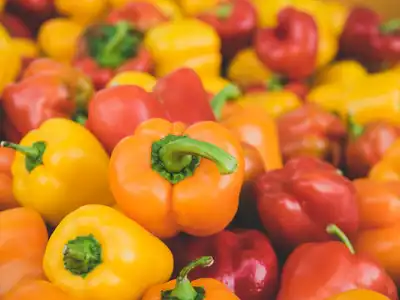
Yes, you can freeze bell peppers without blanching. Wash, core, seed, and cut them, then pack them raw or tray-freeze the pieces first so they stay loose. The National Center for Home Food Preservation recommends raw-packed peppers for cooked or uncooked uses and gives a separate blanched method for cooked dishes. Expect a softer texture after freezing, so peppers work best in fajitas, stir-fries, soups, and stews rather than salads. For best quality, use them within about 8 to 12 months at 0°F (-18°C).
Sources & References
This information is based on official guidelines from trusted food safety authorities:
Food Preservation: Making and Preserving Sauerkraut
View Source →Let's Preserve: Fermentation - Sauerkraut and Pickles
View Source →Sauerkraut Storage and Safety Guidelines
View Source →How to chill, freeze and defrost food safely
View Source →Sauerkraut
View Source →
About the Author

Disclaimer
The information on this website is provided for general informational purposes only. While we work to keep our food storage and freezing guides accurate and current, we are not food safety professionals, nutritionists, or medical experts, and our recommendations may not account for every individual circumstance, product type, or storage condition.
Always consult official food safety guidance (such as your national food safety agency) and use your own judgment before consuming stored or frozen food. CanIFreeze.com assumes no responsibility or liability for any loss, damage, illness, or other adverse outcome resulting from reliance on the information provided on this site.
CanIFreeze.com is a participant in the Amazon Associates Program, an affiliate advertising program designed to provide a means for sites to earn advertising fees by linking to Amazon.com and its affiliated sites. As an Amazon Associate we earn from qualifying purchases made through links on this site, at no extra cost to you. Product links are clearly marked where they appear.
Disclaimer date: