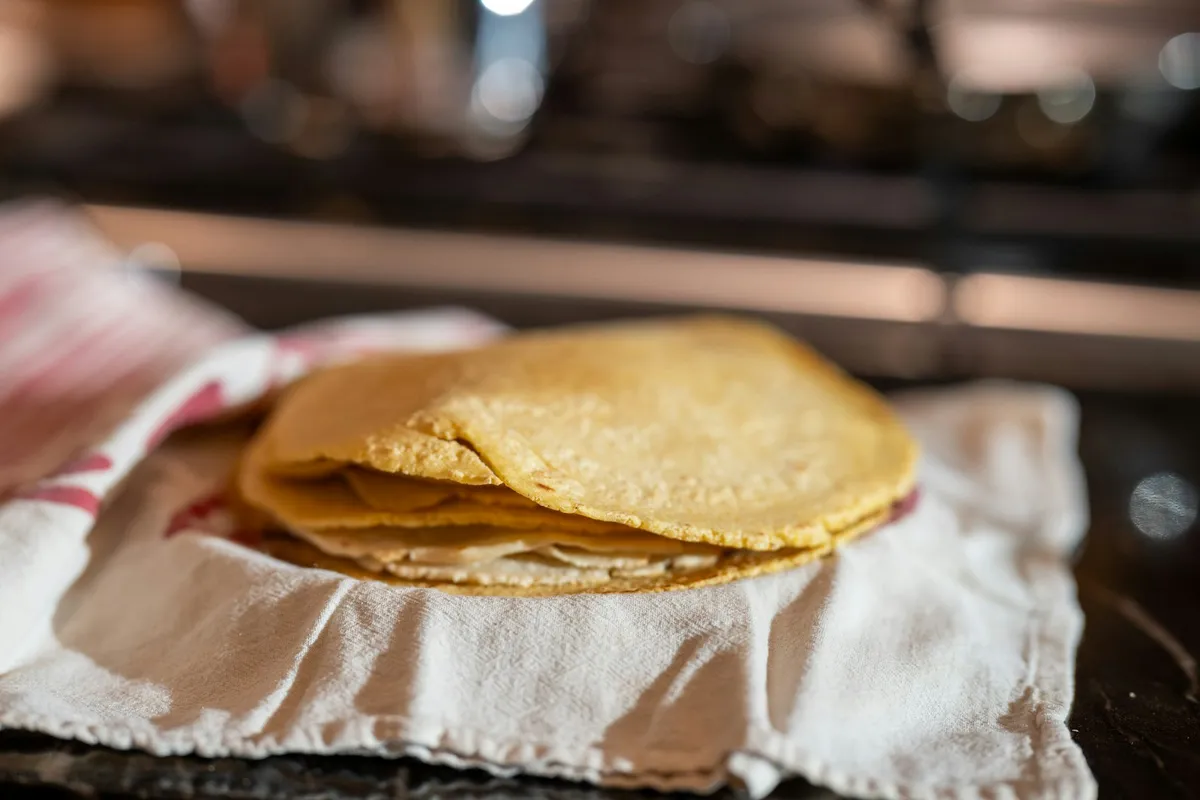
Official Storage Guidelines for Tortillas
🇺🇸 USDA Guidelines
🇬🇧 FSA Guidelines
Disclaimer: This information is provided for general guidance only. It is based on publicly available USDA and FSA recommendations at the time of publication. Storage times may vary depending on handling, packaging, and storage conditions. Always check official sources and use your best judgment to ensure food safety.
This guide contains Amazon affiliate links, marked ↗. If you buy through one, we may earn a commission at no extra cost to you. Learn more about affiliate links.
Frequently Asked Questions
Do flour and corn tortillas freeze the same way?
Both freeze well, but flour tortillas are generally more forgiving. Their fat and gluten help them bend after thawing, while corn tortillas can become brittle if they dry out or are pulled apart while still rigid. Package either type with as little air as possible, but handle corn tortillas more gently.
For corn tortillas, make smaller stacks and put parchment between each one if you often need single servings. Let a stack soften in the refrigerator, or warm one frozen tortilla in a covered pan or between lightly damp paper towels. A brief warm-up restores flexibility better than bending it cold.
Virginia Cooperative Extension lists commercial flour tortillas at 6 months in the freezer and gives separate refrigerated storage figures for corn and flour tortillas. Those figures describe packaged products, not every homemade recipe. For either type, the printed package date and visible condition still matter before freezing.
Can you freeze opened, unopened and homemade tortillas?
Yes. An unopened factory pack can go into the freezer if its seal is sound, although slipping it into a second freezer bag gives better protection from air and punctures. Once opened, squeeze air from the package and overwrap it. Virginia Cooperative Extension lists 6 months as a quality guide for frozen flour tortillas.
Cool homemade tortillas completely before stacking. Residual warmth creates condensation, which freezes into surface ice and makes the stack gummy after thawing. If you will use the whole batch together, one stack is fine; otherwise divide it into meal-size packets.
There is no need to open a sealed pack and add parchment if you plan to thaw the whole stack. Once a package is open, divide it into portions so you do not have to warm and refreeze the same tortillas. Use homemade tortillas first because they have no factory seal and their moisture level varies from batch to batch.
Do I need parchment between every tortilla?
Not always. If the tortillas are dry on the surface, fully cooled and you expect to thaw the whole stack, they usually separate without paper. Parchment or freezer paper is worthwhile when you want one tortilla at a time, when homemade tortillas are slightly tacky, or when the product is especially fragile.
You can also tray-freeze tortillas in a single layer and then stack the firm rounds. A flat reusable freezer bag(affiliate link, opens Amazon) protects the edges and makes it easy to slide out a portion. Keep the stack flat until frozen so folded edges do not become permanent cracks.
Paper is a convenience layer, not the air barrier. A parchment-separated stack still needs a tightly sealed outer package. Cut paper close to the tortilla diameter so exposed corners do not hold the bag open or waste freezer space.
How do you thaw one tortilla or an entire package?
For one tortilla, take it straight from the freezer and warm it in a dry skillet over medium-low heat, turning once, or microwave it between lightly damp paper towels in short bursts. The goal is flexible and warm, not steaming wet. A toaster can scorch or trap a soft tortilla, so use a skillet or microwave instead.
Move a full package to the refrigerator and let it thaw while sealed so moisture stays balanced through the stack. Once flexible, separate the tortillas and warm only what you need. Refreezing a refrigerator-thawed pack is generally safe under USDA guidance, but another freeze-thaw cycle makes cracking and dryness more likely.
If ice has formed inside the pack, open it after the tortillas become flexible and blot the surfaces before warming. Do not pry at a frosty corn-tortilla stack with a knife. A covered skillet softens the outer tortilla gradually and avoids both torn edges and a punctured hand.
Can you freeze wraps, naan and gluten-free tortillas?
Plain wraps and flatbreads such as naan can be frozen using the same cool, separate and overwrap method. Naan is thicker, so reheating in a covered skillet or oven usually gives a better result than a quick microwave. Freeze filled wraps according to their most perishable filling, not according to the bread alone.
Gluten-free tortillas vary considerably because their starches and binders differ. Freeze a test pair before committing a whole batch. Parchment between each tortilla is sensible, and gentle warming before rolling matters because many gluten-free products fracture when cold.
A filled breakfast wrap is a prepared leftover, not merely a tortilla. Cool cooked fillings promptly, thaw perishable wraps in the refrigerator and reheat the center thoroughly. Keep lettuce, raw tomato and cold sauces out of the freezer and add them after the wrap is hot.
Tortillas Freezing and Storage Guide
Tortillas are excellent freezer candidates because they contain relatively little free water. The main risks are not safety problems but dry edges, freezer odors and a solid stack that cannot be separated without tearing.
Commercial flour tortillas can keep good freezer quality for about 6 months. Homemade tortillas are less predictable, so use them sooner, and always follow a shorter date printed on the package.
Flour tortillas usually emerge soft and flexible. Corn tortillas keep their flavor well but need more protection from air and gentler handling. Homemade tortillas should be completely cool before packing, while a sealed commercial pack can be frozen as bought and overwrapped for extra protection.
How to Freeze Tortillas
- Check that the tortillas are fresh and free from mold or sticky spoilage.
- Divide them into the number you normally use at once. Cut pre-cut parchment sheets(affiliate link, opens Amazon) into tortilla-size separators if you need single servings.
- Put the stack in a freezer bag, press out air without crushing it and seal. A rigid container can protect brittle corn tortillas from bent edges.
- Freeze the package flat. Label the type and date.
Freezer burn shows as pale, hard or leathery patches. It is a quality defect caused by moisture loss, not mold, but badly dried tortillas will crack and taste stale. Double-wrapping an opened package is the simplest prevention.
Warm First, Then Fold
Do not roll a frozen tortilla around a filling. Warm it until flexible, then fill it. For quesadillas or enchiladas, tortillas can go from freezer to skillet one at a time. For a full taco night, thaw the sealed stack in the refrigerator and warm it covered so steam softens the edges.
If tortillas repeatedly emerge cracked, the likely causes are air exposure, bending while frozen or a formula that is brittle when cold. Smaller stacks, close wrapping and gentle covered heat solve more than adding moisture before freezing, which can instead create surface ice.
Editor's Picks
Gear Worth Buying for Tortillas
Reynolds Kitchens Pre-Cut Parchment Baking Sheets, 100 Total
Cut the sheets into tortilla-size separators so a frozen stack releases one serving at a time without tearing.
Shop on AmazonStasher Stand-Up Mid Reusable Silicone Bag (56 oz)
A premium, reusable stand-in for disposable freezer bags - freezer, oven, and dishwasher safe.
Shop on AmazonRubbermaid Brilliance Airtight Food Storage Containers, 24-Piece Set
A complete, leak-proof set that covers nearly any portion size this guide calls for.
Shop on Amazon
As an Amazon Associate, we earn from qualifying purchases.
Important Safety Guidelines
- Freeze tortillas before the package date and discard any with mold, an off smell or sticky spoilage.
- Keep the original package inside a freezer bag if its seal is thin or has been opened; ordinary bread bags admit air.
- Do not force a frozen corn tortilla apart. Warm the stack briefly or thaw it until flexible to prevent splitting.
- Thaw filled wraps containing meat, dairy or other perishable ingredients in the refrigerator, not on the counter.
- Keep the freezer at 0°F (-18°C) or below; listed freezer times describe quality, not a sudden safety deadline.
Key Safety Reminders
- Always label containers with freezing date
- Use airtight containers to prevent freezer burn
- Follow proper thawing procedures
You Might Also Like
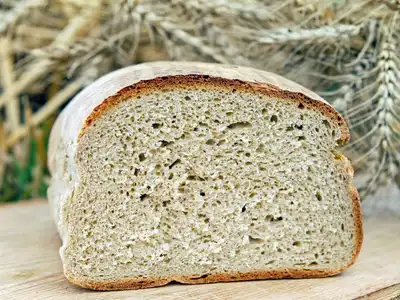
Can You Freeze Bread?
Yes, bread is one of the best foods you can freeze - in fact, freezing is the single best way to store bread beyond a day or two, better than the counter and much better than the fridge. Wrapped well and frozen at 0°F (-18°C), a loaf holds its texture and flavor for 3-5 months, and slices go straight from freezer to toaster with no real quality hit. The one thing freezing can't fix is bread that's already stale or moldy going in, so freeze it while it's fresh, not as a last resort.
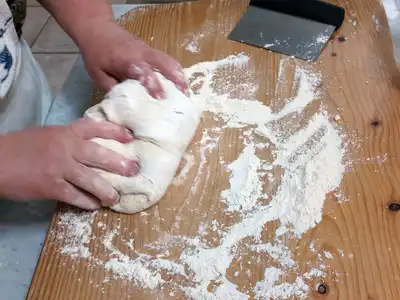
Can You Freeze Bread Dough?
Yes, you can freeze yeast bread dough, but home-frozen dough may rise less than fresh dough because slow freezing damages yeast and weakens gluten. For the most predictable result, use a freezer-dough recipe, freeze shaped portions after the first rise, seal them well, and use them within 1 month.
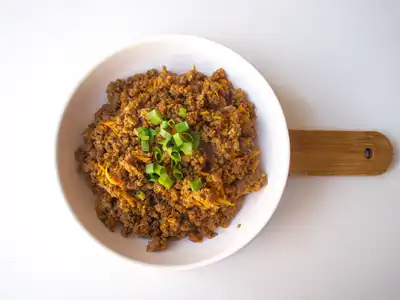
Can You Freeze Taco Meat?
Yes, cooked taco meat freezes very well. Whether it's seasoned ground beef, turkey, or chicken, USDA guidance for cooked ground meat applies: about 3-4 days in the fridge and 2-3 months in the freezer for best quality. Drain excess grease before freezing, cool it quickly, and pack it flat in a freezer bag or airtight container. The one thing to skip: don't freeze the fixings (lettuce, tomato, sour cream, cheese) along with the meat - freeze the meat alone and add fresh toppings after reheating.
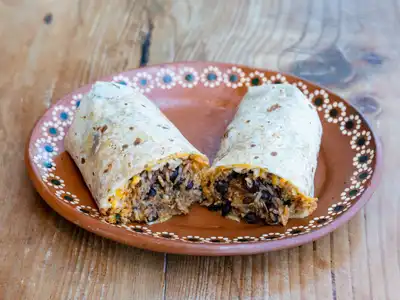
Can You Freeze Chipotle Burritos?
Yes, a leftover Chipotle-style burrito freezes reasonably well once you strip out the fresh, watery ingredients first. The rice, beans, meat, cheese and tortilla hold up fine at 0°F / −18°C for a few months; lettuce, fresh salsa, sour cream and guacamole don't, and are better removed before freezing and added back fresh after reheating.
Sources & References
This information is based on official guidelines from trusted food safety authorities:
Food Storage Guidelines for Consumers
View Source →Freezing and Food Safety
View Source →How to chill, freeze and defrost food safely
View Source →
About the Author

Disclaimer
The information on this website is provided for general informational purposes only. While we work to keep our food storage and freezing guides accurate and current, we are not food safety professionals, nutritionists, or medical experts, and our recommendations may not account for every individual circumstance, product type, or storage condition.
Always consult official food safety guidance (such as your national food safety agency) and use your own judgment before consuming stored or frozen food. CanIFreeze.com assumes no responsibility or liability for any loss, damage, illness, or other adverse outcome resulting from reliance on the information provided on this site.
CanIFreeze.com is a participant in the Amazon Associates Program, an affiliate advertising program designed to provide a means for sites to earn advertising fees by linking to Amazon.com and its affiliated sites. As an Amazon Associate we earn from qualifying purchases made through links on this site, at no extra cost to you. Product links are clearly marked where they appear.
Disclaimer date: