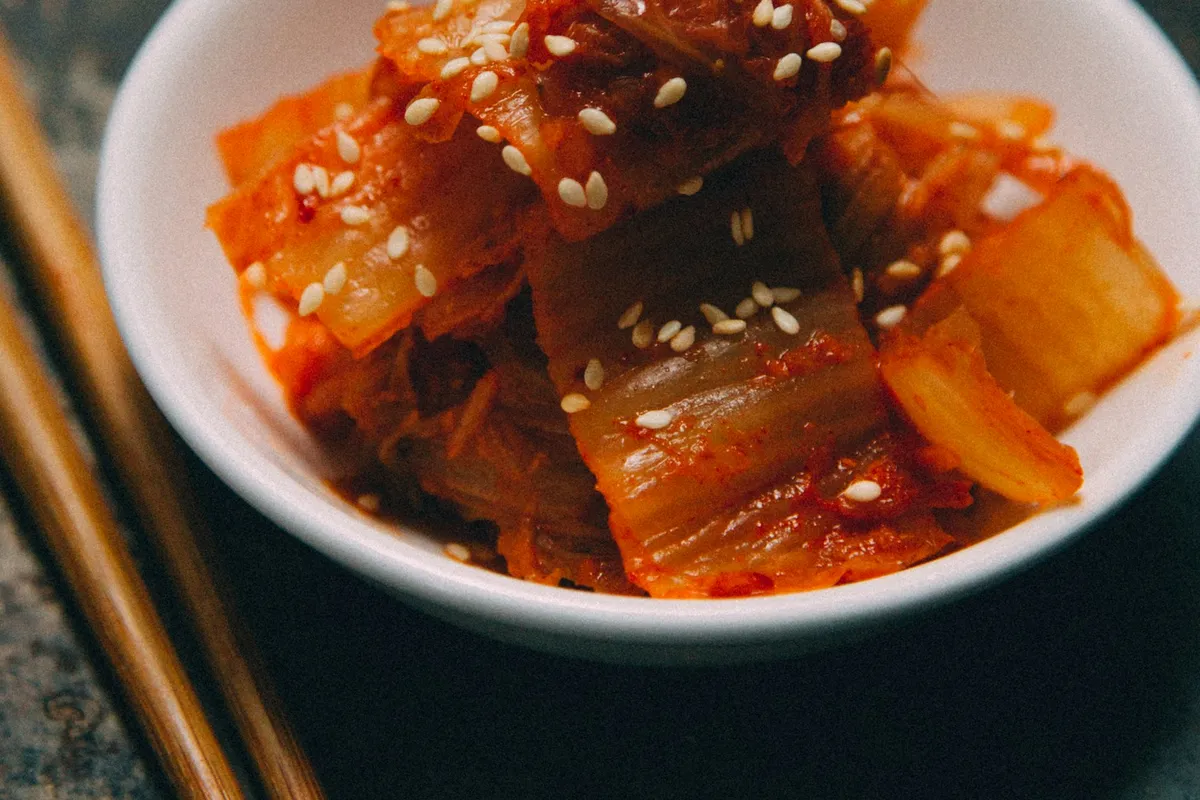
Official Storage Guidelines for Kimchi
🇺🇸 USDA Guidelines
🇬🇧 FSA Guidelines
Disclaimer: This information is provided for general guidance only. It is based on publicly available USDA and FSA recommendations at the time of publication. Storage times may vary depending on handling, packaging, and storage conditions. Always check official sources and use your best judgment to ensure food safety.
This guide contains Amazon affiliate links, marked ↗. If you buy through one, we may earn a commission at no extra cost to you. Learn more about affiliate links.
Frequently Asked Questions
Does freezing kimchi kill the probiotics?
Freezing greatly slows or stops fermentation while the kimchi is frozen. Some lactic acid bacteria survive freezing, but survival varies with the strain, recipe, time, and freezer conditions, so a home freezer cannot promise a specific probiotic count after thawing.
If live cultures are your reason for eating kimchi, refrigerated kimchi is the more dependable choice. Freeze it to prevent waste and preserve flavor, not as a way to preserve a guaranteed microbiological benefit.
Can you freeze kimchi in its glass jar?
Only when the jar is freezer-safe and has generous headspace. Kimchi brine expands as it freezes, and a tightly filled glass jar can crack. A wide, straight-sided container is safer than a jar with narrow shoulders.
Small portions in airtight freezer containers(affiliate link, opens Amazon) are more convenient. They freeze faster and avoid exposing the whole batch to repeated thawing. Wipe the rim before closing so the seal stays clean.
Why is kimchi soft after freezing?
Ice crystals rupture the water-filled cells in cabbage, radish, and other vegetables. When thawed, those cells release brine and lose their original snap. No packaging method can fully prevent that structural change in a household freezer.
Use thawed kimchi where heat would soften it anyway: kimchi fried rice, jjigae, savory pancakes, dumpling filling, or noodles. Fresh refrigerated kimchi remains the better choice for banchan when crunch is central.
Can thawed kimchi be refrozen?
It can be refrozen if it thawed in the refrigerator and stayed cold, but a second cycle makes the vegetables noticeably softer. Portioning before the first freeze is a better plan.
Do not refreeze kimchi that thawed on the counter or has signs of spoilage. Sourness, bubbles, and a strong fermented aroma can be normal, so judge it against the recipe and its earlier condition; fuzzy colored mold or a rotten odor is not normal.
Kimchi Freezing and Storage Guide
Kimchi can be frozen, but it is not a neutral pause button. The cold arrests fermentation and ice crystals soften the vegetables. Flavor survives better than crunch, which makes freezing a sensible way to save mature kimchi intended for cooking.
How to Freeze Kimchi Without Breaking the Container
Portion the kimchi with enough brine to keep it moist in small airtight containers(affiliate link, opens Amazon), but leave headspace for expansion. A few small containers beat one large one because you can thaw exactly what a recipe needs. Do not place an overfilled glass jar in the freezer.
How Long Frozen Kimchi Lasts
University of Minnesota Extension says properly fermented produce can remain frozen indefinitely, while warning that crisp texture may be lost. Quality is therefore the useful limit: aroma becomes flatter and the vegetables soften with time. Label each portion by date and heat level, especially if several batches share the freezer.
Best Uses for Thawed Kimchi
Thaw in the refrigerator and direct it toward dishes where softness is useful. Kimchi fried rice, stew, pancakes, and dumplings all capture the acidity and chile flavor without asking a thawed cabbage leaf to remain crisp.
Editor's Picks
Gear Worth Buying for Kimchi
Stasher Stand-Up Mid Reusable Silicone Bag (56 oz)
A premium, reusable stand-in for disposable freezer bags - freezer, oven, and dishwasher safe.
Shop on AmazonRubbermaid Brilliance Airtight Food Storage Containers, 24-Piece Set
A complete, leak-proof set that covers nearly any portion size this guide calls for.
Shop on Amazon
As an Amazon Associate, we earn from qualifying purchases.
Important Safety Guidelines
- Ferment homemade kimchi using a tested recipe and keep vegetables submerged as directed; freezing is storage, not a substitute for correct fermentation.
- Freeze only kimchi that smells and looks normal for the recipe. Discard growth that is fuzzy, black, blue, green, or otherwise unlike harmless surface yeast.
- Use a freezer-safe container and leave headspace because brine expands. Do not freeze a full glass jar with no room at the top.
- Portion before freezing so the main jar is not repeatedly thawed and refrozen.
- Thaw in the refrigerator and keep the kimchi cold.
- Use clean utensils to avoid introducing contaminants into the jar.
- If commercial kimchi carries storage or use-by instructions, follow its label.
Key Safety Reminders
- Always label containers with freezing date
- Use airtight containers to prevent freezer burn
- Follow proper thawing procedures
You Might Also Like

Can You Freeze Arugula?
Yes, you can freeze arugula (also called rocket in the UK, Ireland, Australia, and much of Europe - same plant, different name), but only for cooked uses. Blanch the leaves briefly, dry them well, and freeze for about 6-8 months of good quality in soups, sautés, and pasta dishes. Raw arugula wilts into a soggy, limp mess when frozen and thawed, so it's never coming back for salads. If you'd rather skip that texture loss altogether, blending arugula into pesto before freezing gives a noticeably better result than freezing the whole leaves.
Can You Freeze Asparagus?
Yes, you can freeze asparagus, but blanching first makes a real difference. Blanched and frozen properly, asparagus holds good quality for 8-12 months and works well in soups, stir-fries, and roasted side dishes. Skip the blanch and it'll still be safe to eat, but it fades in color and flavor within a month or two and turns noticeably tougher. Either way, frozen asparagus loses its raw crunch, so it's a cooked-dish ingredient from here on, not a salad or crudité one.
Can You Freeze Bean Sprouts?
Yes, you can freeze bean sprouts, but blanch them briefly first (they turn very watery and limp otherwise) and use them within 2-3 months for cooked dishes only - freezing doesn't bring back their crunch. More importantly: bean sprouts are one of the higher food-safety-risk vegetables you can buy, raw or frozen, because the warm, humid conditions that make seeds sprout also let bacteria like Salmonella and E. coli grow. Freezing pauses that bacterial growth but does not kill it - a July 2025 CDC/FDA investigation into Salmonella-contaminated frozen sprouted beans is a real, recent reminder of exactly that.
Can You Freeze Bell Peppers?
Yes, you can freeze bell peppers without blanching. Wash, core, seed, and cut them, then pack them raw or tray-freeze the pieces first so they stay loose. The National Center for Home Food Preservation recommends raw-packed peppers for cooked or uncooked uses and gives a separate blanched method for cooked dishes. Expect a softer texture after freezing, so peppers work best in fajitas, stir-fries, soups, and stews rather than salads. For best quality, use them within about 8 to 12 months at 0°F (-18°C).
Sources & References
This information is based on official guidelines from trusted food safety authorities:
Preserving food at home: Fermentation
View Source →General Freezing FAQs
View Source →How to chill, freeze and defrost food safely
View Source →
About the Author

Disclaimer
The information on this website is provided for general informational purposes only. While we work to keep our food storage and freezing guides accurate and current, we are not food safety professionals, nutritionists, or medical experts, and our recommendations may not account for every individual circumstance, product type, or storage condition.
Always consult official food safety guidance (such as your national food safety agency) and use your own judgment before consuming stored or frozen food. CanIFreeze.com assumes no responsibility or liability for any loss, damage, illness, or other adverse outcome resulting from reliance on the information provided on this site.
CanIFreeze.com is a participant in the Amazon Associates Program, an affiliate advertising program designed to provide a means for sites to earn advertising fees by linking to Amazon.com and its affiliated sites. As an Amazon Associate we earn from qualifying purchases made through links on this site, at no extra cost to you. Product links are clearly marked where they appear.
Disclaimer date: