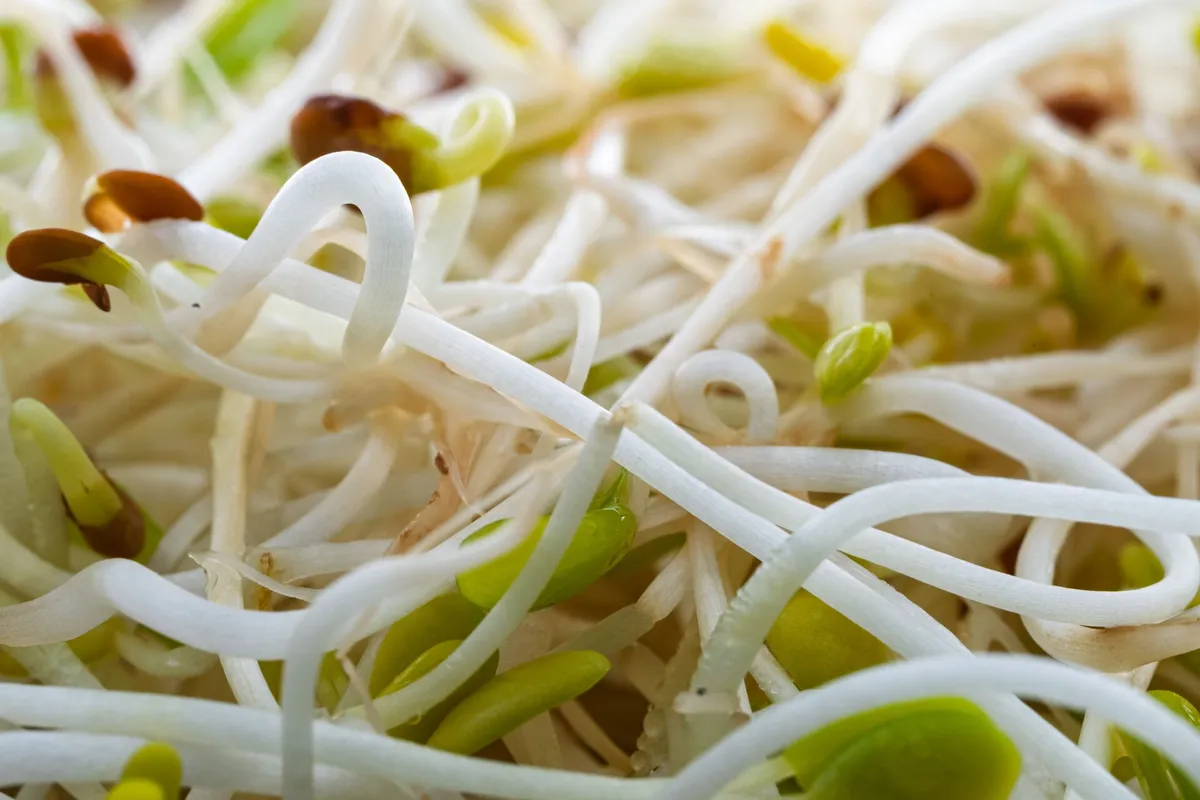
Official Storage Guidelines for Bean Sprouts
🇺🇸 USDA Guidelines
🇬🇧 FSA Guidelines
Disclaimer: This information is provided for general guidance only. It is based on publicly available USDA and FSA recommendations at the time of publication. Storage times may vary depending on handling, packaging, and storage conditions. Always check official sources and use your best judgment to ensure food safety.
This guide contains Amazon affiliate links, marked ↗. If you buy through one, we may earn a commission at no extra cost to you. Learn more about affiliate links.
Frequently Asked Questions
Can you cook bean sprouts directly from frozen?
Yes, and this is actually the best way to use them - there's no need to thaw frozen bean sprouts before cooking, and thawing first tends to make them even softer and wetter than cooking them straight from frozen does.
For stir-fries, add frozen sprouts directly to a hot wok or pan; the high heat cooks off the extra moisture they release quickly, so keep the heat high and don't crowd the pan.
For soups, pho, or noodle dishes, drop them in during the last couple of minutes of cooking so they heat through without turning to mush.
Regardless of the dish, cook bean sprouts thoroughly until steaming hot all the way through - this isn't just a texture preference, it's the food-safety-relevant step, since heat is what actually neutralizes the bacteria risk that raw or undercooked sprouts can carry, in a way that freezing alone does not.
Can bean sprouts be refrozen after they're thawed?
It's not recommended. Bean sprouts are already fragile and high in water content, so a second freeze-thaw cycle turns them noticeably mushier and wetter than the first, often to the point of being unpleasant even in cooked dishes.
More importantly, given that bean sprouts are a recognized higher food-safety-risk vegetable to begin with, refreezing thawed sprouts adds extra time in a temperature range where any bacteria present can multiply, on top of a food that already carries more baseline risk than most vegetables.
If you've thawed more sprouts than you need, the better move is to cook all of them thoroughly in one dish and freeze the finished, cooked dish instead - a stir-fry or soup freezes far more predictably than raw or blanched sprouts do, and full cooking addresses the safety concern that refreezing doesn't.
Never refreeze sprouts that sat at room temperature for more than 2 hours (1 hour above 90°F/32°C) - discard them instead.
Does freezing make bean sprouts safe to eat raw?
No - this is the single most important thing to understand about freezing bean sprouts. Freezing pauses bacterial growth; it does not kill Salmonella, E. coli, or Listeria, the bacteria most commonly associated with sprout-related illness.
If bean sprouts were contaminated before they were frozen - which can happen even under clean, well-managed growing conditions, since the warm, humid environment that makes seeds sprout is also ideal for bacterial growth - they remain contaminated after thawing. The cold simply put any bacteria present on hold; it didn't remove them.
This isn't theoretical: in July 2025, the CDC and FDA investigated a multistate Salmonella outbreak linked to recalled Deep-brand frozen sprouted mung and moth beans, which sickened at least 11 people across 10 states, with 4 hospitalized. The product had been frozen, and it was still capable of causing illness - a real, recent example of exactly why "it's frozen" and "it's safe to eat raw" are two different claims for sprouts specifically.
The FDA and UK FSA both recommend cooking sprouts thoroughly until steaming hot before eating, frozen or fresh, rather than relying on refrigeration or freezing as a safety measure on its own.
Does freezing bean sprouts work well for quality?
Only moderately, and it's worth going in with modest expectations. Bean sprouts are mostly water with a delicate cell structure, so freezing - blanched or not - ruptures much of that structure, and thawed sprouts come out noticeably softer and wetter than fresh ones, with none of their signature crunch.
Blanching briefly (30-60 seconds in boiling water, then an ice bath) before freezing helps slow further quality decline in the freezer and gives a marginally better texture than freezing raw sprouts would, similar to the blanching logic used for other high-water-content vegetables like cabbage or asparagus. Even blanched, though, expect good quality for only about 2-3 months, a shorter window than sturdier vegetables get, because sprouts simply don't have much structural integrity to begin with.
Given their short natural shelf life (2-3 days refrigerated) and how much texture they lose either way, many cooks find it's easier to just buy bean sprouts as needed rather than freezing them for later - but if you have a surplus you'd otherwise waste, freezing for use in cooked dishes is a reasonable way to avoid throwing them out.
Best containers to freeze bean sprouts
After blanching and thoroughly draining the sprouts, pack them into a heavy-duty freezer bag with the air pressed out, spread in a flat, thin layer so they freeze quickly and take up minimal space.
A rigid, freezer-safe container(affiliate link, opens Amazon) works well too, especially if you want to avoid crushing them under other items in a crowded freezer, though a bag is generally more space-efficient for a food this delicate.
Drying the sprouts well before packaging matters more than it might seem - bean sprouts hold a surprising amount of surface water after blanching and rinsing, and packing them wet just adds more ice crystals inside the container, worsening the already-soft texture.
Label with the date; given their already-short 2-3 month quality window, it's easy to lose track of how long a bag has been in the freezer without one.
Who should avoid eating bean sprouts, even cooked?
The FDA and CDC specifically advise children, older adults, pregnant women, and anyone with a weakened immune system to avoid raw or lightly cooked sprouts of any kind - mung bean, alfalfa, clover, and radish sprouts are all named specifically in FDA consumer guidance.
For these groups, the recommendation generally isn't just "cook them a little more carefully" - it's to skip raw or undercooked sprouts entirely, given how consistently sprouts have been linked to Salmonella and E. coli outbreaks over the past few decades (the CDC has tracked dozens of sprout-associated outbreaks since 2000, causing well over a thousand illnesses).
For people outside those higher-risk groups, both the FDA and UK FSA recommend cooking sprouts thoroughly until steaming hot as the main way to meaningfully reduce risk, rather than relying on how fresh they look, how they were washed, or whether they were previously frozen.
If you're ever unsure whether a dish containing sprouts has been cooked hot enough, err toward more cooking rather than less - unlike many vegetables where overcooking is the main risk to flavor, undercooking is the more consequential mistake with sprouts.
How can you tell if bean sprouts have gone bad?
Fresh bean sprouts should look plump, crisp, and pale white to pale yellow, with a mild, clean smell. Sliminess on the surface, a sour, musty, or generally "off" smell, or visible browning and discoloration are all signs they've started to spoil and should be discarded rather than cooked and eaten.
Because bean sprouts spoil quickly even under good refrigeration (typically within 2-3 days), it's worth checking them each time before use rather than assuming a package is still good just because it's within a printed date - their actual rate of decline depends heavily on how consistently cold they were kept from store to home.
Keep in mind that bean sprouts can look and smell fine while still carrying a bacterial contamination risk that has nothing to do with spoilage in the traditional sense - normal-looking, non-slimy, non-smelly sprouts can still cause illness if eaten raw, which is exactly why cooking them thoroughly (rather than relying on a visual or smell check) is the recommended safety step, not just a freshness one.
When sprouts do show spoilage signs, freezing them at that point won't help - freezing doesn't reverse spoilage that's already started, so discard rather than freeze anything that's already past its prime.
Bean Sprouts Freezing and Storage Guide
Can you freeze bean sprouts? Yes - blanched, and for cooked dishes only, since freezing does nothing good for their crunch. But before the how-to, bean sprouts deserve a more careful answer than most vegetables on this site, because they carry a real food-safety consideration that freezing doesn’t solve.
Why Bean Sprouts Are a Higher-Risk Vegetable
Bean sprouts - mung bean, soybean, alfalfa, and similar - grow in warm, humid conditions that are ideal for germination and, unfortunately, just as ideal for bacteria like Salmonella, E. coli, and Listeria. This can happen even under clean, well-managed growing conditions, since contamination often starts with the seed itself, and bacteria can become internalized in places rinsing water simply can’t reach. The CDC has tracked dozens of sprout-associated outbreaks over the past few decades, and both the FDA and UK Food Standards Agency treat raw sprouts as a food warranting real caution, not just routine kitchen hygiene.
Freezing Pauses Bacteria - It Doesn’t Kill Them
This is the single most important thing to understand here: freezing halts bacterial growth, but it does not kill Salmonella, E. coli, or Listeria the way thorough cooking does. If bean sprouts were contaminated before they were frozen, they’re still contaminated after thawing - the cold simply put the problem on hold.
This isn’t a hypothetical risk. In July 2025, the CDC and FDA investigated a multistate Salmonella outbreak linked to recalled Deep-brand frozen sprouted mung and moth beans (recalled by Chetak LLC Group), which sickened at least 11 people across 10 states and hospitalized 4. The product had been through a full freeze - and it still caused illness. It’s a concrete, recent example of exactly why “frozen” and “safe to eat raw” aren’t the same claim for sprouts.
Who Should Avoid Raw Sprouts Entirely
The FDA and CDC specifically advise children, older adults, pregnant women, and anyone with a weakened immune system to avoid raw or lightly cooked sprouts of any kind - mung bean, alfalfa, clover, and radish sprouts are all named explicitly. The UK FSA gives similar guidance: bean sprouts not labelled “ready to eat” should be cooked thoroughly until steaming hot throughout, with vulnerable groups taking extra precautions. For most people, the practical takeaway from both agencies is the same - cooking sprouts thoroughly until steaming hot is what actually reduces the risk, not how fresh they look, how carefully they were washed, or whether they’ve been frozen.
How to Freeze Bean Sprouts
- Blanch briefly - about 30-60 seconds in boiling water - to slow further quality decline in the freezer and modestly (not fully) reduce surface bacteria load.
- Shock in ice water, then drain thoroughly. Sprouts hold more surface water than they look like they would, and packing them wet just adds ice crystals that make an already-soft texture worse.
- Pack in a thin, flat layer in a freezer bag with the air pressed out, or a rigid container(affiliate link, opens Amazon) if you want to avoid them getting crushed.
- Label with the date and freeze at 0°F (-18°C) or below.
Expect good quality for about 2-3 months - shorter than sturdier vegetables, since bean sprouts don’t have much structural integrity to begin with, blanched or not.
How Long Fresh Bean Sprouts Actually Last
Fresh bean sprouts spoil quickly even under good refrigeration - typically within 2-3 days at or below 40°F (4°C). This short window, combined with the texture they lose in the freezer either way, is why many cooks find it simpler to just buy sprouts as needed rather than stocking up and freezing extra. If you do have a surplus, freezing for use in cooked dishes is a reasonable way to avoid waste - just don’t expect them to last, or taste, anywhere close to fresh.
Cooking and Using Frozen Bean Sprouts
Cook frozen sprouts straight from the freezer - no need to thaw first, and thawing tends to make them even softer. Add them to a hot stir-fry, a pot of pho or noodle soup, or spring roll filling during the last few minutes of cooking, and cook thoroughly until steaming hot throughout. That heat step matters for safety, not just texture, so don’t cut it short.
Common Mistakes to Avoid
The most consequential mistake is treating “it’s frozen” as equivalent to “it’s safe to eat raw” - freezing is a storage method for sprouts, not a safety treatment, and the July 2025 outbreak is a clear real-world example of why that distinction matters. The second is holding onto sprouts too long in the fridge hoping they’ll still be good - their 2-3 day window is short and worth respecting rather than pushing. The third is refreezing sprouts once thawed, which compounds both the texture loss and the time spent in a temperature range where bacteria can multiply. When it comes to bean sprouts, cooking thoroughly until steaming hot - every time, frozen or fresh - is the one step that actually addresses the risk this vegetable carries.
Editor's Picks
Gear Worth Buying for Bean Sprouts
OXO Good Grips POP Container, Big Square Tall (6.0 Qt)
Holds a full blanched batch of sprouts without crushing them, and stacks cleanly in the freezer.
Shop on AmazonStasher Stand-Up Mid Reusable Silicone Bag (56 oz)
A premium, reusable stand-in for disposable freezer bags - freezer, oven, and dishwasher safe.
Shop on AmazonRubbermaid Brilliance Airtight Food Storage Containers, 24-Piece Set
A complete, leak-proof set that covers nearly any portion size this guide calls for.
Shop on Amazon
As an Amazon Associate, we earn from qualifying purchases.
Important Safety Guidelines
- Bean sprouts (mung bean, soybean, alfalfa, and similar) are a recognized higher-risk raw food. The warm, humid conditions needed for seeds to sprout are also ideal for bacteria like Salmonella, E. coli, and Listeria to multiply, and this can happen even under clean, well-run growing conditions.
- Washing sprouts reduces surface contamination but does not reliably eliminate it - bacteria can become internalized within the seed or sprout itself, in places rinsing water can't reach.
- Freezing pauses bacterial growth; it does not kill Salmonella, E. coli, or Listeria. Sprouts that were contaminated before freezing remain contaminated after thawing - freezing is not a safety treatment for sprouts the way cooking is.
- The FDA and CDC advise children, older adults, pregnant women, and anyone with a weakened immune system to avoid raw or lightly cooked sprouts of any kind entirely, including mung bean, alfalfa, clover, and radish sprouts.
- The UK Food Standards Agency advises cooking bean sprouts not labelled "ready to eat" thoroughly until steaming hot all the way through, and recommends vulnerable groups take extra precautions with sprouts specifically.
- If you choose to eat sprouts, cooking them thoroughly until steaming hot substantially reduces the risk, since heat (not cold) is what actually kills the bacteria that can be present.
- Keep fresh bean sprouts refrigerated at or below 40°F (4°C); they spoil quickly even under good storage, generally within 2-3 days, so buy only what you'll use soon.
- Blanch briefly (30-60 seconds) before freezing to slow further quality loss and slightly reduce (though not eliminate) surface bacteria load; blanching is a quality and partial-risk-reduction step, not a substitute for thoroughly cooking sprouts before eating.
- Discard sprouts that look slimy, smell sour or musty, or have visibly darkened or discolored - these are signs of spoilage on top of the baseline contamination risk raw sprouts already carry.
- Never leave sprouts, raw or blanched, at room temperature for more than 2 hours (1 hour above 90°F/32°C) before refrigerating or freezing them.
Key Safety Reminders
- Always label containers with freezing date
- Use airtight containers to prevent freezer burn
- Follow proper thawing procedures
You Might Also Like
Can You Freeze Arugula?
Yes, you can freeze arugula (also called rocket in the UK, Ireland, Australia, and much of Europe - same plant, different name), but only for cooked uses. Blanch the leaves briefly, dry them well, and freeze for about 6-8 months of good quality in soups, sautés, and pasta dishes. Raw arugula wilts into a soggy, limp mess when frozen and thawed, so it's never coming back for salads. If you'd rather skip that texture loss altogether, blending arugula into pesto before freezing gives a noticeably better result than freezing the whole leaves.
Can You Freeze Asparagus?
Yes, you can freeze asparagus, but blanching first makes a real difference. Blanched and frozen properly, asparagus holds good quality for 8-12 months and works well in soups, stir-fries, and roasted side dishes. Skip the blanch and it'll still be safe to eat, but it fades in color and flavor within a month or two and turns noticeably tougher. Either way, frozen asparagus loses its raw crunch, so it's a cooked-dish ingredient from here on, not a salad or crudité one.
Can You Freeze Bell Peppers?
Yes, you can freeze bell peppers without blanching. Wash, core, seed, and cut them, then pack them raw or tray-freeze the pieces first so they stay loose. The National Center for Home Food Preservation recommends raw-packed peppers for cooked or uncooked uses and gives a separate blanched method for cooked dishes. Expect a softer texture after freezing, so peppers work best in fajitas, stir-fries, soups, and stews rather than salads. For best quality, use them within about 8 to 12 months at 0°F (-18°C).
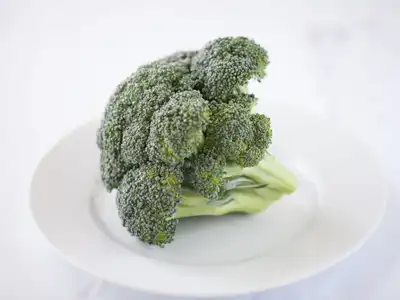
Can You Freeze Broccoli?
Yes, you can freeze broccoli, and it holds up better in the freezer than most vegetables - but only if you blanch it first. A quick dip in boiling water (or steam) stops the enzyme activity that would otherwise turn frozen broccoli dull, bitter, and mushy within a couple of months. Properly blanched and packed, broccoli keeps good color, flavor, and texture for 10-12 months at 0°F (-18°C). Skip the blanching and you're looking at a freezer-safe but fast-fading product best used within about a month.
Sources & References
This information is based on official guidelines from trusted food safety authorities:
Selecting and Serving Produce Safely
View Source →Outbreak Investigation of Salmonella: Frozen Sprouted Beans (July 2025)
View Source →Salmonella Outbreak Linked to Frozen Sprouted Beans
View Source →Freezing and Food Safety
View Source →How to chill, freeze and defrost food safely
View Source →
About the Author

Disclaimer
The information on this website is provided for general informational purposes only. While we work to keep our food storage and freezing guides accurate and current, we are not food safety professionals, nutritionists, or medical experts, and our recommendations may not account for every individual circumstance, product type, or storage condition.
Always consult official food safety guidance (such as your national food safety agency) and use your own judgment before consuming stored or frozen food. CanIFreeze.com assumes no responsibility or liability for any loss, damage, illness, or other adverse outcome resulting from reliance on the information provided on this site.
CanIFreeze.com is a participant in the Amazon Associates Program, an affiliate advertising program designed to provide a means for sites to earn advertising fees by linking to Amazon.com and its affiliated sites. As an Amazon Associate we earn from qualifying purchases made through links on this site, at no extra cost to you. Product links are clearly marked where they appear.
Disclaimer date: