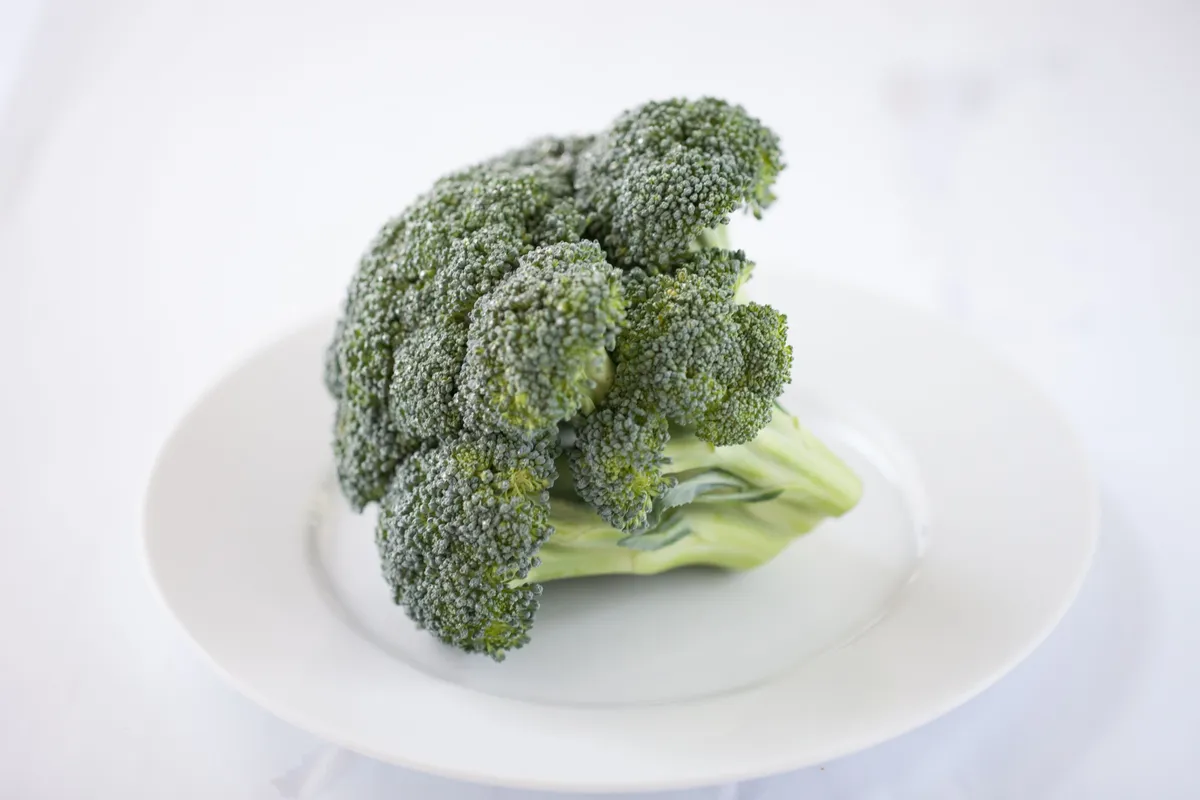
Official Storage Guidelines for Broccoli
🇺🇸 USDA Guidelines
🇬🇧 FSA Guidelines
Disclaimer: This information is provided for general guidance only. It is based on publicly available USDA and FSA recommendations at the time of publication. Storage times may vary depending on handling, packaging, and storage conditions. Always check official sources and use your best judgment to ensure food safety.
This guide contains Amazon affiliate links, marked ↗. If you buy through one, we may earn a commission at no extra cost to you. Learn more about affiliate links.
Frequently Asked Questions
Do I really need to blanch broccoli before freezing it?
Technically no, but you'll notice the difference within weeks. The National Center for Home Food Preservation is direct about why blanching matters: it stops the enzyme activity that otherwise keeps breaking down flavor, color, and texture even at freezer temperatures. Enzymes don't fully shut off just because broccoli is frozen solid - they slow down, but they keep working, which is why unblanched frozen broccoli turns dull, develops off-flavors, and loses that snap within a month or two.
If you're freezing a small amount for a soup you'll use inside a few weeks, skipping blanching is a reasonable shortcut - just cut it into florets, bag it, and press out the air. It's safe, it just won't hold quality long. For anything you want to pull out in month six or ten, blanching is what makes that possible.
Worth knowing: NCHFP specifically warns that under-blanching is worse than not blanching at all, because a partial heat treatment can actually stimulate enzyme activity rather than stop it. That's why timing matters more than intuition here - a 90-second guess isn't the same as an actual timed 3-minute water blanch.
A collapsible steamer basket(affiliate link, opens Amazon) makes the steam-blanch version genuinely easy - drop it in a pot you already own, lower the florets in, and lift the whole batch out at once when the timer goes off. No fishing individual pieces out of boiling water.
How long does frozen broccoli actually last?
At 0°F (-18°C) with a proper blanch, the National Center for Home Food Preservation and Colorado State University Extension both put properly packed frozen vegetables in the 10-to-12-month range for best quality - Colorado State's broader guidance even extends that to 12-18 months for some vegetables stored airtight in a deep freezer. Broccoli sits toward the shorter end of that range because its cut surfaces and clustered florets expose more surface area to air than something like whole carrots.
That range is similar to what you'd see from properly blanched cabbage stored the same way. The UK's official food safety guidance takes a more conservative public-facing stance: it groups fruit and vegetables into a 3-4 month "best quality" window for home freezing. That's not a contradiction so much as a difference in how cautious each guidance body chooses to be for a general audience - both are talking about quality, not safety, since properly frozen food stored at a constant 0°F/-18°C doesn't become unsafe just because it's been in there longer.
What actually shortens broccoli's freezer life in practice is air exposure, not the calendar. A bag with trapped air will show freezer burn - dry, whitish, leathery patches - well before the 10-month mark. A tightly packed, air-purged bag or a vacuum-sealed one will comfortably outlast a loosely packed one, sometimes by several months.
Skip blanching and all of this shrinks dramatically - unblanched broccoli is best used within about 4-6 weeks, since the enzymes causing quality loss are still active the whole time it's frozen.
Can I cook frozen broccoli straight from the freezer, or do I need to thaw it first?
Cook it straight from frozen - that's actually the better method for almost every use. Steaming, roasting, stir-frying, or dropping frozen florets into a pot of soup all work directly from the bag, and skipping the thaw step keeps the broccoli from turning watery and limp before it even hits the heat.
For steaming or boiling, frozen broccoli typically needs 4-6 minutes rather than the 3-5 minutes fresh broccoli takes, since you're cooking through ice as well as fiber. For roasting, expect it to release more water than fresh broccoli would as it cooks - spreading it out on the pan rather than crowding it helps it roast instead of steam in its own runoff.
The one place thawing helps is if you're adding broccoli to something where excess water is a real problem, like a quiche filling or a casserole with a set custard. In those cases, thaw it in the fridge, then press or pat it dry in a clean towel before folding it in.
Don't microwave-thaw broccoli you plan to eat with any bite left to it - the edges overcook long before the center defrosts, and you'll end up with mushy florets and a still-icy stem in the same forkful.
Should I freeze broccoli as florets, stalks, or both together?
Both freeze well, and NCHFP's own method treats them as one step: split the head lengthwise so the florets end up no more than 1 1/2 inches across, and the attached stalk pieces blanch and freeze right alongside them using the same timing. You don't need a separate process for stalks unless you're peeling and cubing them on their own.
That said, how you plan to use the broccoli later is worth thinking about before you cut. Florets alone are more versatile - they go into stir-fries, roasting pans, and soup pots without extra prep. Peeled, cubed stalks are genuinely good in soups and slaws once thawed - much like diced carrots are for the same pots - but the fibrous outer layer needs to come off before freezing or it stays tough no matter how long you cook it.
If you're working through a big garden harvest or a bulk store trip, freezing florets and stalks in separate labeled bags rather than mixed together gives you more flexibility later - you can grab just florets for a quick roasted side, or just stalk pieces for a soup base, without picking through a mixed bag while it's still frozen solid.
Whole spears (unsplit heads) are harder to blanch evenly because the dense center takes longer to heat through than the outer florets, which is exactly the under-blanching problem NCHFP warns about. Splitting into smaller pieces before blanching isn't just about bag space - it's what makes the timing accurate.
What are the best containers for freezing broccoli, and can you refreeze it once thawed?
Heavy-duty freezer bags with the air pressed out are the standard choice, and they're genuinely sufficient - broccoli doesn't need rigid packaging the way liquids or delicate baked goods do. Lay the bag flat while sealing, pressing florets into a single layer, and it'll freeze fast and stack flat in the freezer.
If you're portioning broccoli for specific recipes rather than freezing one big bag, silicone freezer trays with lids(affiliate link, opens Amazon) work well for measured cup-sized amounts you can pop out individually - useful if you're meal-prepping the same soup or stir-fry recipe repeatedly and want to grab exactly one serving's worth without breaking into the whole batch.
On refreezing: UK food safety guidance is clear that once you've cooked broccoli from frozen, you can freeze the cooked dish again, but you should only reheat it that one additional time after refreezing. The same general principle extends to raw thawed broccoli - if it was thawed in the fridge and kept below 40°F (4°C), it's safe to refreeze raw, though the texture will soften further with each freeze-thaw cycle since ice crystals keep rupturing the same cell walls.
Broccoli that's been left out at room temperature for more than 2 hours after thawing shouldn't be refrozen raw - cook it first if it's still within safe time limits, then freeze the cooked dish. That sidesteps the safety question entirely and actually suits broccoli's texture better anyway, since it's headed for cooked use either way.
Broccoli Freezing and Storage Guide
Broccoli is one of the more forgiving vegetables to freeze, mostly because its dense floret clusters hold their shape well once the enzyme activity that causes quality loss is stopped. That stopping point is blanching - the same enzyme-deactivating step spinach and most other vegetables need before freezing - and it’s not optional if you want broccoli that still tastes like broccoli in month eight. The National Center for Home Food Preservation is blunt about the mechanism: enzymes keep breaking down color, flavor, and nutrients even at 0°F, just more slowly than at room temperature. Blanching briefly heats the florets enough to deactivate those enzymes before they get the chance.
How Long to Blanch Broccoli Before Freezing
The exact timing depends slightly on which authority you follow, and it’s worth knowing both numbers exist rather than picking one and assuming it’s universal. NCHFP calls for 3 minutes in boiling water or 5 minutes of steam. Colorado State University Extension’s broccoli-specific guidance runs a little longer - 4 minutes boiling or 6 minutes steamed. Neither is wrong; the difference likely comes down to floret size and altitude assumptions baked into each institution’s testing. If you’re cutting florets to the standard 1 1/2-inch spec, starting with NCHFP’s shorter times and watching for bright, still-firm color is a reasonable approach - you can always extend by 30-60 seconds if pieces are on the larger side.
Whichever timing you use, the cooling step matters just as much as the heating step. Cool blanched broccoli in ice water for the same length of time you blanched it, then drain it thoroughly before bagging. Skipping or shortening the cooldown leaves residual heat in the florets that keeps cooking them after they’re sealed in the bag - which is how you end up with soft, overcooked broccoli straight out of the freezer months later.
Cooling, Packing and Cooking Frozen Broccoli
Freezer Storage Time and Best Uses
Packed with the air pressed out and stored at a steady 0°F, blanched broccoli holds good color and a reasonably firm bite for 10-12 months. It won’t come out crisp - freezing never leaves vegetables crisp - but it holds up well in anything cooked: roasted sheet-pan sides, stir-fries, soups, and casseroles all use frozen broccoli without anyone noticing the difference. Save fresh broccoli for raw applications like crudités or slaw, since that’s the one thing frozen broccoli can’t do.
Editor's Picks
Gear Worth Buying for Broccoli
OXO Good Grips Stainless Steel Steamer Basket, 8 Inch
Collapsible steamer basket that fits pots you already own, making the 5-minute steam blanch as easy as the boiling-water version.
Shop on AmazonSouper Cubes 1 Cup Silicone Freezer Trays with Lids (2-Pack)
Portions blanched florets into measured, stackable cups so a recipe gets exactly the amount it calls for.
Shop on AmazonStasher Stand-Up Mid Reusable Silicone Bag (56 oz)
A premium, reusable stand-in for disposable freezer bags - freezer, oven, and dishwasher safe.
Shop on AmazonRubbermaid Brilliance Airtight Food Storage Containers, 24-Piece Set
A complete, leak-proof set that covers nearly any portion size this guide calls for.
Shop on Amazon
As an Amazon Associate, we earn from qualifying purchases.
Important Safety Guidelines
- Trim away tough stalks and leaves, then cut heads so florets are no more than 1 1/2 inches across - the National Center for Home Food Preservation's spec, and the reason your blanch times below actually work as written. Larger pieces blanch unevenly, leaving a cold, under-treated core.
- Soak florets for 30 minutes in a brine of 4 teaspoons salt per gallon of cold water before blanching. This is a produce-safety step aimed at driving out any small insects hiding in the flower clusters, not just a cleaning habit - rinse well afterward.
- Water blanch 3 minutes or steam blanch 5 minutes, timed from when the water returns to a full boil (or the steam basket is fully covered) after the broccoli goes in. Under-blanching is worse than skipping it entirely, since it can actually accelerate the enzyme activity you're trying to stop.
- Cool blanched broccoli for the same length of time you blanched it - 3 minutes in an ice bath after a 3-minute water blanch, for example. Cutting the cooling short leaves residual heat that keeps cooking the florets after they're packed.
- Drain thoroughly and pack with no headspace. Broccoli doesn't expand much during freezing, so unlike liquids or purees, you're packing it tight rather than leaving room to expand.
- Use moisture- and vapor-proof freezer bags or rigid containers, pressing out as much air as possible. Freezer burn shows up fast on broccoli's exposed floret surface area if air gets trapped in the bag.
- Keep raw, unblanched broccoli frozen for no more than about 4-6 weeks if you skip blanching by choice. It's safe indefinitely at 0°F, but the flavor and color drop off quickly without that enzyme-stopping step.
- Never leave cut broccoli sitting at room temperature for more than 2 hours (1 hour above 90°F/32°C) between washing and freezing - the same danger-zone rule that applies to any perishable food.
- Label each bag with the prep method and date - "blanched 3 min, floret, 8/9" tells you at a glance whether a bag is a fast-cooking blanched batch or a raw batch that needs longer, gentler heat.
Key Safety Reminders
- Always label containers with freezing date
- Use airtight containers to prevent freezer burn
- Follow proper thawing procedures
You Might Also Like
Can You Freeze Arugula?
Yes, you can freeze arugula (also called rocket in the UK, Ireland, Australia, and much of Europe - same plant, different name), but only for cooked uses. Blanch the leaves briefly, dry them well, and freeze for about 6-8 months of good quality in soups, sautés, and pasta dishes. Raw arugula wilts into a soggy, limp mess when frozen and thawed, so it's never coming back for salads. If you'd rather skip that texture loss altogether, blending arugula into pesto before freezing gives a noticeably better result than freezing the whole leaves.
Can You Freeze Asparagus?
Yes, you can freeze asparagus, but blanching first makes a real difference. Blanched and frozen properly, asparagus holds good quality for 8-12 months and works well in soups, stir-fries, and roasted side dishes. Skip the blanch and it'll still be safe to eat, but it fades in color and flavor within a month or two and turns noticeably tougher. Either way, frozen asparagus loses its raw crunch, so it's a cooked-dish ingredient from here on, not a salad or crudité one.
Can You Freeze Bean Sprouts?
Yes, you can freeze bean sprouts, but blanch them briefly first (they turn very watery and limp otherwise) and use them within 2-3 months for cooked dishes only - freezing doesn't bring back their crunch. More importantly: bean sprouts are one of the higher food-safety-risk vegetables you can buy, raw or frozen, because the warm, humid conditions that make seeds sprout also let bacteria like Salmonella and E. coli grow. Freezing pauses that bacterial growth but does not kill it - a July 2025 CDC/FDA investigation into Salmonella-contaminated frozen sprouted beans is a real, recent reminder of exactly that.
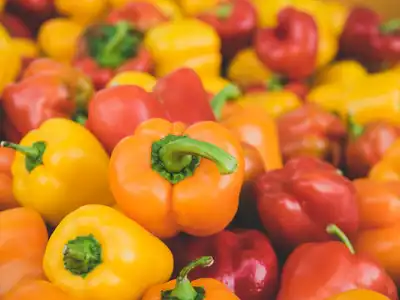
Can You Freeze Bell Peppers?
Yes, you can freeze bell peppers without blanching. Wash, core, seed, and cut them, then pack them raw or tray-freeze the pieces first so they stay loose. The National Center for Home Food Preservation recommends raw-packed peppers for cooked or uncooked uses and gives a separate blanched method for cooked dishes. Expect a softer texture after freezing, so peppers work best in fajitas, stir-fries, soups, and stews rather than salads. For best quality, use them within about 8 to 12 months at 0°F (-18°C).
Sources & References
This information is based on official guidelines from trusted food safety authorities:
Freezing Broccoli
View Source →Blanching Vegetables
View Source →Freezing Vegetables
View Source →How to Chill, Freeze and Defrost Food Safely
View Source →
About the Author

Disclaimer
The information on this website is provided for general informational purposes only. While we work to keep our food storage and freezing guides accurate and current, we are not food safety professionals, nutritionists, or medical experts, and our recommendations may not account for every individual circumstance, product type, or storage condition.
Always consult official food safety guidance (such as your national food safety agency) and use your own judgment before consuming stored or frozen food. CanIFreeze.com assumes no responsibility or liability for any loss, damage, illness, or other adverse outcome resulting from reliance on the information provided on this site.
CanIFreeze.com is a participant in the Amazon Associates Program, an affiliate advertising program designed to provide a means for sites to earn advertising fees by linking to Amazon.com and its affiliated sites. As an Amazon Associate we earn from qualifying purchases made through links on this site, at no extra cost to you. Product links are clearly marked where they appear.
Disclaimer date: