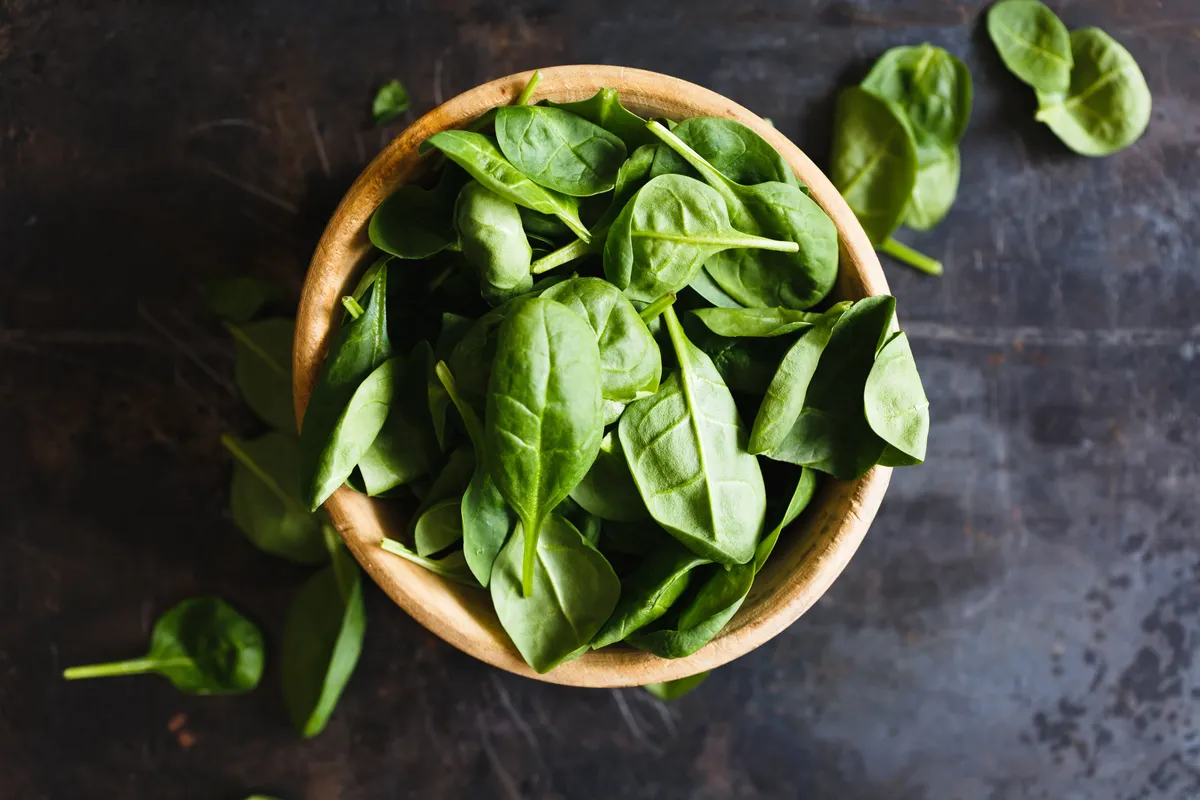
Official Storage Guidelines for Spinach
🇺🇸 USDA Guidelines
🇬🇧 FSA Guidelines
Disclaimer: This information is provided for general guidance only. It is based on publicly available USDA and FSA recommendations at the time of publication. Storage times may vary depending on handling, packaging, and storage conditions. Always check official sources and use your best judgment to ensure food safety.
This guide contains Amazon affiliate links, marked ↗. If you buy through one, we may earn a commission at no extra cost to you. Learn more about affiliate links.
Frequently Asked Questions
Can I freeze spinach without blanching it?
You can, and plenty of home cooks do exactly that - wash it, spin it dry, bag it, and freeze it raw with no blanching step at all. It's safe. What you're trading away is shelf life and appearance. Blanching's whole job is to deactivate the enzymes still active in the leaves after harvest; skip that step and those enzymes keep working in the freezer, just slowly, which shows up over time as duller color, browning at the leaf edges, and a flatter, more "hay-like" flavor compared to blanched spinach.
In practice, unblanched spinach holds up reasonably well for a few weeks and starts noticeably declining somewhere in the one-to-two-month range, well short of the 8-12 months you'd get from a proper blanch. If you're freezing a big bag of spinach you know you'll use up within a few weeks - tossing handfuls into smoothies, dropping it into soup at the last minute - skipping the blanch is a completely reasonable shortcut. If you're trying to put up a garden glut to last through winter, blanch it.
One practical note either way: raw spinach doesn't compact the way blanched spinach does. A full bag of raw leaves takes up a surprising amount of freezer real estate for how little spinach is actually in there, whereas blanching and pressing out the water shrinks a pound of spinach down to something closer to a softball. If freezer space is tight, that alone might tip you toward blanching.
Does frozen spinach lose its nutrients?
Some, but less than you'd probably guess, and the blanching step is actually there partly to protect nutrients rather than strip them. The National Center for Home Food Preservation notes that blanching is a required step for quality frozen vegetables specifically because it halts the enzyme activity that would otherwise continue degrading color, flavor, and nutritional value in storage - so a quick blanch is working in your favor here, not against it.
What does happen: water-soluble vitamins like vitamin C and some B vitamins are somewhat sensitive to both the blanching water and the freeze-thaw cycle, so you'll see a modest reduction compared to spinach eaten the day it was picked. Minerals, fiber, and fat-soluble nutrients like vitamin K and vitamin A hold up much better through freezing. For context, fresh spinach sitting in the fridge for a week losing nutrients daily to oxidation and moisture loss is arguably a worse nutritional bet than spinach blanched and frozen the day you bought it.
The bigger nutrient loss actually happens in the kitchen, not the freezer - overcooking thawed spinach in a lot of water and pouring that water down the drain takes more nutrients with it than the freezing process itself did. If nutrition retention is your main goal, steam or microwave frozen spinach rather than boiling it, and use any cooking liquid in the dish (soup, a sauce) rather than discarding it.
How do you use frozen spinach after it's thawed?
The first thing to know is that thawed spinach releases a lot of water - freezing ruptures the cell walls, so what was a crisp leaf becomes a soft, wet clump the second it defrosts. For almost every use, you'll want to squeeze that liquid out before cooking with it. A clean kitchen towel or a fine-mesh strainer with some hand pressure works fine; a handful of thawed spinach can lose half its volume in liquid alone.
Once it's drained, frozen spinach is genuinely versatile. Stir it into soups and stews in the last few minutes of cooking, fold it into a quiche or frittata, mix it into a cheese and spinach filling for stuffed shells or lasagna, or blend it straight from frozen into a smoothie where the ice-cold leaves double as part of your ice. It's also the backbone of classic dishes like saag, creamed spinach, and spanakopita filling, where the wilted texture of frozen spinach is actually indistinguishable from spinach you wilted yourself on the stove.
You generally don't need to fully thaw spinach before cooking it into something hot - dropping it straight from the freezer into a simmering pot of soup or a hot pan works fine and saves a step. For cold or delicately textured applications, like a spinach and ricotta cheese filling, thaw it in the fridge overnight and drain it well so you're not adding extra water to the mixture.
One thing frozen spinach will never be again: a salad ingredient. Freezing permanently collapses the leaf structure, so no amount of thawing brings back the crunch. Keep frozen spinach strictly to cooked applications.
Can you freeze sauteed or cooked spinach?
Yes, and it's arguably the most convenient way to freeze spinach if you're going to use it in cooked dishes anyway. Wilt fresh spinach in a hot pan for a minute or two - no oil or seasoning necessary, just enough heat to collapse it - then cool it, press out the water, and portion it before freezing. Cooked spinach freezes at least as well as blanched spinach, since sauteing accomplishes the same enzyme-deactivating job that blanching does.
Portioning is where cooked spinach really pays off. A popular method is pressing cooked, well-drained spinach into an ice cube tray, freezing it solid, then popping the "pucks" out into a freezer bag or freezing them straight in a silicone tray made for exactly this(affiliate link, opens Amazon). Each cube is a measured, ready-to-drop-in portion for a pasta sauce, an omelet, or a curry, and you're not thawing and refreezing an entire bag to get a couple of tablespoons out of it.
Seasoned or sauced cooked spinach - creamed spinach, garlic-and-butter spinach, saag - also freezes well, though dairy-based sauces can separate slightly on thawing and may need a good stir or a quick reheat with a splash of milk to smooth back out. If you're planning to freeze a finished dish rather than plain spinach, that's less about spinach behaving badly in the freezer and more about how any dairy-based sauce behaves.
Can spinach be refrozen after it's thawed?
If it was thawed in the refrigerator and kept at 40°F (4°C) or below the whole time, yes - USDA guidance on frozen food safety is that anything thawed under refrigeration can be safely refrozen without cooking it first, spinach included. What you lose is quality, not safety: spinach that's already fragile after one freeze-thaw cycle turns even softer and wetter on a second one, and some flavor fades along with it.
If your spinach thawed on the counter or sat out for more than 2 hours (1 hour above 90°F/32°C), the UK's Food Standards Agency and USDA are both clear that food shouldn't be refrozen raw once it's spent real time in the 40-140°F (4-60°C) danger zone - bacteria that had a chance to multiply during that window don't get killed by refreezing, only paused again. When in doubt about how long spinach sat out, the safer move is to cook it thoroughly (which does kill bacteria) and then freeze the cooked dish, rather than refreezing it raw.
The FSA's general guidance for the UK follows the same logic in the other direction: once you've cooked something from frozen, you can freeze it again, but you should only reheat it one more time after that. So thawed spinach turned into a soup or a quiche can go back in the freezer as a finished dish - just don't plan on refreezing, thawing, and refreezing it a third time.
Practically, the better habit is avoiding the situation altogether: freeze spinach in smaller portions - a cup here, a couple of silicone freezer trays(affiliate link, opens Amazon) there - so you're only thawing what you'll actually use in one go, instead of defrosting a full bag and deciding what to do with the leftover half.
Spinach Freezing and Storage Guide
Spinach is about as forgiving a vegetable as you’ll find in the freezer, which is exactly why it’s worth doing right. The National Center for Home Food Preservation lists it under “freezing greens,” with a straightforward 2-minute water blanch as the only real technical step - shorter than a denser vegetable like broccoli needs, since thin spinach leaves heat through fast, and short enough that a single batch is done almost as fast as it takes the water to come back to a boil. Blanching stops the enzymes that would otherwise keep quietly breaking the leaves down in the freezer, which is the difference between spinach that still tastes like spinach after eight months and spinach that’s gone dull and vaguely metallic after two.
Blanching Spinach for Long-Term Freezing
Can You Freeze Raw Spinach?
You don’t have to blanch it. Raw spinach, washed, dried in a salad spinner(affiliate link, opens Amazon), and packed flat in a reusable freezer bag(affiliate link, opens Amazon), freezes into a safe, usable ingredient with zero cooking beforehand - it’s just a shorter-lived one, best used up within a month or so before browning and freezer burn set in, compared to the 8-12 months you get from blanched spinach stored at 0°F (-18°C). Which route makes sense really depends on how you cook: if spinach is going straight into a smoothie or dropped into soup within a few weeks, raw and unblanched saves you a step. If you’re freezing a big garden harvest or a bulk buy to last the season, blanch it.
Cooking with Frozen Spinach
Either way, expect a dramatic change in volume and texture. A grocery bag of fresh spinach reduces to a fraction of its size once wilted, and freezing makes that collapse permanent. Use it in soup, pesto, quiche, saag, or creamed spinach made with heavy cream. Portioning spinach with garlic can also create ready-to-cook cubes. No thawing method restores a crisp salad leaf.
Portioning Spinach Before Freezing
Portioning is the other detail worth planning for before you freeze a whole bag at once. Spinach compacts so much once cooked that a single pound can disappear into a couple of measuring-cup portions, and thawing an entire block just to use two tablespoons in an omelet is a hassle you can avoid by freezing it in smaller batches from the start - a flattened bag you can snap pieces off of, or individual cubes in a silicone freezer tray, rather than one dense brick.
Editor's Picks
Gear Worth Buying for Spinach
Souper Cubes 1-Cup Silicone Freezer Trays with Lids
Turns a pot of cooked, drained spinach into stackable, pre-measured pucks you can drop straight into a pan or pot.
Shop on AmazonOXO Good Grips Salad Spinner
Gets raw spinach properly dry before it goes in the bag - skip this step and you get icy, freezer-burned clumps instead of loose leaves.
Shop on AmazonStasher Stand-Up Mid Reusable Silicone Bag (56 oz)
A reusable freezer-safe bag lets dry raw spinach freeze flat with less trapped air and keeps short-term portions accessible.
Shop on AmazonRubbermaid Brilliance Airtight Food Storage Containers, 24-Piece Set
A complete, leak-proof set that covers nearly any portion size this guide calls for.
Shop on Amazon
As an Amazon Associate, we earn from qualifying purchases.
Important Safety Guidelines
- Start with fresh, unblemished spinach. Wilted, slimy, or yellowing leaves won't improve in the freezer - they'll just be frozen in that state.
- Wash spinach in several changes of cold water, even if the bag says pre-washed. Spinach grows low to the ground and its crinkled leaves trap grit, and leafy greens have been the source of real-world E. coli and Listeria recalls in the US and UK - freezing does not kill bacteria, it only pauses everything, good and bad.
- If blanching, use about 1 gallon of boiling water per pound of spinach so the temperature doesn't drop too far when the leaves go in.
- Start your 2-minute blanch timer only once the water returns to a full rolling boil after adding the spinach. Adding it too early undercooks the blanch and leaves enzymes still active.
- Cool blanched spinach immediately in an ice bath for the same amount of time it was blanched, then drain it well and press out excess water before packaging - wet spinach means icy, freezer-burned clumps.
- Pack spinach tightly into freezer bags or rigid containers with the air pressed or sucked out, leaving about 1/2 inch of headspace in rigid containers.
- Label every package with the contents, the prep method (blanched or raw), and the date. Raw and blanched spinach have very different quality timelines, so this isn't optional bookkeeping.
- Never let spinach sit at room temperature more than 2 hours before freezing it (or 1 hour above 90°F/32°C) - the 40-140°F (4-60°C) danger zone is exactly as dangerous for a delicate leafy green as it is for anything else.
- Keep your freezer at 0°F (-18°C) or below. Frozen spinach stored this way stays safe indefinitely; only its quality is on a clock.
Key Safety Reminders
- Always label containers with freezing date
- Use airtight containers to prevent freezer burn
- Follow proper thawing procedures
You Might Also Like
Can You Freeze Arugula?
Yes, you can freeze arugula (also called rocket in the UK, Ireland, Australia, and much of Europe - same plant, different name), but only for cooked uses. Blanch the leaves briefly, dry them well, and freeze for about 6-8 months of good quality in soups, sautés, and pasta dishes. Raw arugula wilts into a soggy, limp mess when frozen and thawed, so it's never coming back for salads. If you'd rather skip that texture loss altogether, blending arugula into pesto before freezing gives a noticeably better result than freezing the whole leaves.
Can You Freeze Asparagus?
Yes, you can freeze asparagus, but blanching first makes a real difference. Blanched and frozen properly, asparagus holds good quality for 8-12 months and works well in soups, stir-fries, and roasted side dishes. Skip the blanch and it'll still be safe to eat, but it fades in color and flavor within a month or two and turns noticeably tougher. Either way, frozen asparagus loses its raw crunch, so it's a cooked-dish ingredient from here on, not a salad or crudité one.

Can You Freeze Bean Sprouts?
Yes, you can freeze bean sprouts, but blanch them briefly first (they turn very watery and limp otherwise) and use them within 2-3 months for cooked dishes only - freezing doesn't bring back their crunch. More importantly: bean sprouts are one of the higher food-safety-risk vegetables you can buy, raw or frozen, because the warm, humid conditions that make seeds sprout also let bacteria like Salmonella and E. coli grow. Freezing pauses that bacterial growth but does not kill it - a July 2025 CDC/FDA investigation into Salmonella-contaminated frozen sprouted beans is a real, recent reminder of exactly that.
Can You Freeze Bell Peppers?
Yes, you can freeze bell peppers without blanching. Wash, core, seed, and cut them, then pack them raw or tray-freeze the pieces first so they stay loose. The National Center for Home Food Preservation recommends raw-packed peppers for cooked or uncooked uses and gives a separate blanched method for cooked dishes. Expect a softer texture after freezing, so peppers work best in fajitas, stir-fries, soups, and stews rather than salads. For best quality, use them within about 8 to 12 months at 0°F (-18°C).
Sources & References
This information is based on official guidelines from trusted food safety authorities:
Freezing Greens (Including Spinach)
View Source →How Long Can I Store Frozen Foods?
View Source →Blanching Vegetables for Freezing
View Source →Freezing and Food Safety
View Source →How to Chill, Freeze and Defrost Food Safely
View Source →
About the Author

Disclaimer
The information on this website is provided for general informational purposes only. While we work to keep our food storage and freezing guides accurate and current, we are not food safety professionals, nutritionists, or medical experts, and our recommendations may not account for every individual circumstance, product type, or storage condition.
Always consult official food safety guidance (such as your national food safety agency) and use your own judgment before consuming stored or frozen food. CanIFreeze.com assumes no responsibility or liability for any loss, damage, illness, or other adverse outcome resulting from reliance on the information provided on this site.
CanIFreeze.com is a participant in the Amazon Associates Program, an affiliate advertising program designed to provide a means for sites to earn advertising fees by linking to Amazon.com and its affiliated sites. As an Amazon Associate we earn from qualifying purchases made through links on this site, at no extra cost to you. Product links are clearly marked where they appear.
Disclaimer date: