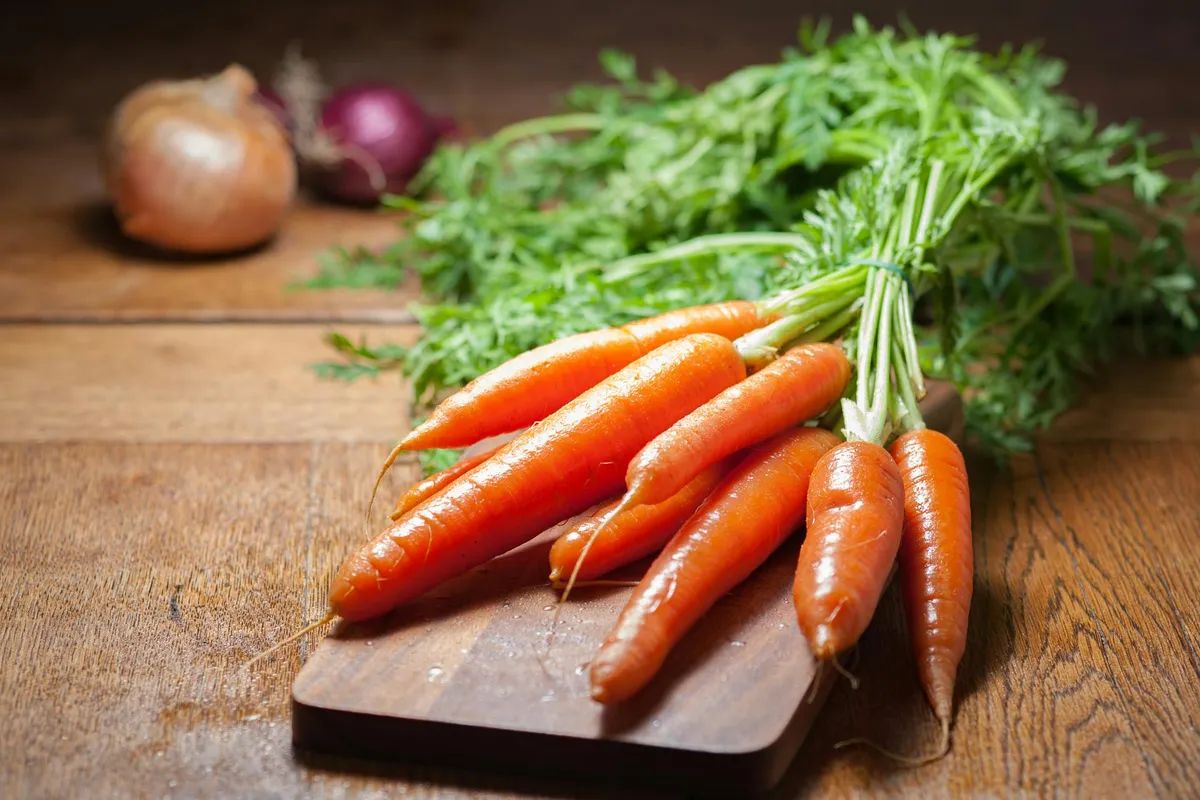
Official Storage Guidelines for Carrots
🇺🇸 USDA Guidelines
🇬🇧 FSA Guidelines
Disclaimer: This information is provided for general guidance only. It is based on publicly available USDA and FSA recommendations at the time of publication. Storage times may vary depending on handling, packaging, and storage conditions. Always check official sources and use your best judgment to ensure food safety.
This guide contains Amazon affiliate links, marked ↗. If you buy through one, we may earn a commission at no extra cost to you. Learn more about affiliate links.
Frequently Asked Questions
Can I cook carrots directly from frozen?
Absolutely, and in most cases you should. Frozen carrots actually work better when cooked straight from the freezer without thawing first. The moment frozen carrots start to thaw, they release moisture and can become mushy before they even hit the pan.
For soups and stews, just toss those frozen carrot pieces right in during the last 10-15 minutes of cooking. They'll heat through and soften perfectly. Stir-fries work great too, though you might want to add them a minute or two before other vegetables since they'll cool down your pan initially.
Roasting frozen carrots creates surprisingly delicious results. Spread them on a baking sheet, drizzle with oil and seasonings, and roast at 425°F (220°C) for 25-30 minutes, stirring halfway through. They'll caramelize beautifully and develop those sweet, crispy edges everyone loves. Don't let them thaw first or you'll end up with a soggy mess instead of roasted perfection.
The only exception is if you're using them in something like carrot cake or muffins where you need them at room temperature to mix into batter. In that case, thaw them in the fridge overnight and drain any excess liquid before adding to your recipe.
Can carrots be refrozen after thawed?
The USDA says yes, technically you can refreeze carrots that were thawed in the refrigerator and kept at 40°F (4°C) or below. But here's the reality check: should you? Probably not unless you absolutely have to.
Each freeze-thaw cycle damages more of the carrot's cell structure. Those ice crystals that form during freezing punch tiny holes through the cell walls, and when you thaw and refreeze, you're basically repeating that damage. The result is increasingly mushy, waterlogged carrots that have lost their structural integrity.
If your carrots thawed at room temperature or sat out for more than 2 hours, refreezing is off the table entirely. That's when bacteria starts multiplying in the danger zone, and no amount of refreezing will make them safe again.
The smarter move? Freeze carrots in portions that match how you'll actually use them. Got a big batch? Divide them into 1-cup or 2-cup portions before freezing so you only thaw what you need. Or better yet, since frozen carrots cook beautifully straight from the freezer, just grab what you need and leave the rest frozen solid.
Do carrots freeze well?
Yes, but the quality depends entirely on whether you blanch them first. This isn't one of those situations where you can skip steps and hope for the best.
Blanched carrots freeze exceptionally well and maintain their bright orange color, sweet flavor, and relatively firm texture for up to 12 months. The brief blanching process stops the enzymes that cause vegetables to deteriorate. Without this step, those enzymes keep working even in the freezer, causing off-flavors, color fading, and texture breakdown.
Research published in food science journals shows that blanched frozen carrots retain their nutritional value remarkably well. The beta-carotene, fiber, and vitamin content stay mostly intact through freezing. Quick-frozen blanched carrots can actually be more nutritious than "fresh" carrots that have been sitting in storage for weeks.
Unblanched frozen carrots? They're okay if you're planning to use them within 2-3 months in heavily seasoned dishes like soups or casseroles where texture isn't critical. But after that window, they'll start tasting stale and developing an unpleasant texture.
The bottom line: carrots freeze well, but only if you treat them right. Skip the blanching at your own risk.
Best containers to freeze carrots
Heavy-duty freezer bags are your best friend for freezing carrots. They're flexible, space-efficient, and you can squeeze out every bit of air before sealing. Look for bags specifically labeled for freezer use because regular storage bags are too thin and won't protect against freezer burn.
The flash-freeze method works wonders with carrots. Spread your blanched, cooled carrot pieces in a single layer on a baking sheet lined with parchment paper. Freeze until solid, usually about 2 hours, then transfer to freezer bags. This prevents them from freezing into one giant clump, so you can pour out just what you need later instead of hacking away at a frozen carrot block.
Rigid plastic containers with tight-fitting lids work well too, especially if you're freezing them in measured portions for specific recipes. Square or rectangular containers maximize freezer space better than round ones. Just remember to leave about half an inch of headspace because carrots expand slightly when frozen.
Vacuum-sealed bags are the premium option if you've got a vacuum sealer. They remove virtually all the air, which dramatically reduces freezer burn and extends storage life. The investment pays off if you're serious about food preservation.
Whatever container you choose, labeling is non-negotiable. Write the date, quantity, and whether they're blanched or raw. Your future self will thank you.
Best uses for carrots after thawed
Frozen carrots shine in any cooked application where you wouldn't be eating them raw anyway. Soups and stews are the obvious winners. Just dump those frozen carrot pieces straight into the pot during the last 15-20 minutes of cooking and they'll soften perfectly while absorbing all those delicious flavors.
Roasted vegetable medleys benefit hugely from frozen carrots. Toss them with other veggies, olive oil, and seasonings, then roast at high heat until caramelized. The natural sugars in carrots really concentrate during roasting, creating that sweet-savory combination people can't resist.
Stir-fries work great as long as you add the frozen carrots with enough time to cook through without overcooking everything else. They need about 5-7 minutes of active cooking. For curries and braised dishes, frozen carrots are actually ideal because they won't overcook and fall apart during longer cooking times.
Baking with frozen shredded carrots opens up possibilities for carrot cake, muffins, and quick breads. Just thaw them in the fridge overnight, squeeze out excess moisture, and use them exactly as you would fresh. Some bakers actually prefer frozen because they're already broken down a bit, which means moister baked goods.
What doesn't work? Serving them as a plain side dish of steamed carrots or adding them to raw salads. The texture change from freezing makes them unsuitable for raw applications.
Carrots Freezing and Storage Guide
Freezing carrots is one of the smartest ways to preserve that garden harvest or bulk purchase from the farmers market. But here’s the thing that’ll save you from disappointment later: blanching before freezing isn’t technically required, but it makes all the difference between good frozen carrots and great ones.
Blanching means dunking your prepared carrots in boiling water for 2-5 minutes, then shocking them in ice water. This quick heat treatment stops the enzymes that would otherwise turn your carrots mushy, dull, and unappetizing during freezer storage. The National Center for Home Food Preservation confirms that blanched carrots stay vibrant and firm for up to 12 months, while unblanched carrots start deteriorating after just 2-3 months.
Frozen carrots can go straight into soup, stews, curries, or roasted vegetable dishes. They will not regain raw crunch after thawing. Keep pieces uniformly sized, start the official blanching time only after the water returns to a boil, cool for the same amount of time, and drain thoroughly before packing. Freeze them with separately blanched celery, green beans, or broccoli for quick mixed vegetables.
How to Freeze Fresh Carrots
- Select young, tender carrots. Remove the green tops, wash, peel and sort by size.
- Leave genuinely small carrots whole. Cut larger carrots into uniform slices, ½-inch (1.25 cm) cubes or lengthwise strips.
- Water-blanch small whole carrots for 5 minutes. Blanch diced, sliced or lengthwise strips for 2 minutes. Start timing only when the water returns to a full boil.
- Cool immediately in ice water for the same length of time, then drain thoroughly.
- For loose pieces, freeze in one layer on a tray before transferring to freezer bags or containers. Remove air, seal, label and freeze promptly.
Those times come from the National Center for Home Food Preservation and matter because underblanching can stimulate rather than adequately slow enzyme activity, while excessive blanching needlessly softens the vegetable.
Raw, Shredded and Cooked Carrots
Raw carrots can physically be frozen, but they lose quality sooner because freezing alone does not stop vegetable enzymes. If you are freezing a handful of shredded carrot for cake within a short period, raw freezing is a practical compromise: squeeze out excess water after thawing and account for it in the batter. For long storage or a garden harvest, blanching is the evidence-backed method.
Cooked or roasted carrots may also be frozen once cooled promptly. They will be softer after reheating than blanched carrots frozen before final cooking. Glazes can be added after reheating so their sweetness and consistency are easier to adjust.
Cooking Carrots from Frozen
Frozen pieces can go directly into boiling water, a steamer, soup or stew. For roasting, preheat the pan, use a little oil and avoid crowding; steam from a packed pan prevents browning. A large ice coating means the carrots were wet when packed or the freezer temperature fluctuated. It is generally a quality problem, but discard carrots with mold, an abnormal fermented odor or evidence they were held warm for an unsafe period.
Editor's Picks
Gear Worth Buying for Carrots
Stasher Stand-Up Mid Reusable Silicone Bag (56 oz)
A premium, reusable stand-in for disposable freezer bags - freezer, oven, and dishwasher safe.
Shop on AmazonRubbermaid Brilliance Airtight Food Storage Containers, 24-Piece Set
A complete, leak-proof set that covers nearly any portion size this guide calls for.
Shop on Amazon
As an Amazon Associate, we earn from qualifying purchases.
Important Safety Guidelines
- Blanch carrots in boiling water for the correct time based on size to stop enzyme activity that causes deterioration: small whole carrots for 5 minutes, sliced or diced pieces for 2 minutes.
- Immediately plunge blanched carrots into ice water for the same amount of time as blanching to stop the cooking process and preserve texture.
- Maintain freezer temperature at 0°F (-18°C) or below and use an appliance thermometer to verify your freezer is actually reaching this temperature.
- Package carrots in airtight, freezer-safe containers or heavy-duty freezer bags, removing as much air as possible to prevent freezer burn.
- Label all packages with the date and preparation method so you can track storage time and use items before quality declines.
- Cool cooked carrots to room temperature within 2 hours before freezing to prevent bacterial growth in the temperature danger zone of 40-140°F (4-60°C).
- Wash and peel carrots thoroughly before freezing to remove dirt, bacteria, and pesticides that could affect food safety and quality.
- Never refreeze carrots that have been thawed at room temperature for more than 2 hours, as bacteria can multiply rapidly in the danger zone.
- Thaw frozen carrots in the refrigerator overnight or cook them directly from frozen for best results and food safety.
Key Safety Reminders
- Always label containers with freezing date
- Use airtight containers to prevent freezer burn
- Follow proper thawing procedures
You Might Also Like
Can You Freeze Arugula?
Yes, you can freeze arugula (also called rocket in the UK, Ireland, Australia, and much of Europe - same plant, different name), but only for cooked uses. Blanch the leaves briefly, dry them well, and freeze for about 6-8 months of good quality in soups, sautés, and pasta dishes. Raw arugula wilts into a soggy, limp mess when frozen and thawed, so it's never coming back for salads. If you'd rather skip that texture loss altogether, blending arugula into pesto before freezing gives a noticeably better result than freezing the whole leaves.
Can You Freeze Asparagus?
Yes, you can freeze asparagus, but blanching first makes a real difference. Blanched and frozen properly, asparagus holds good quality for 8-12 months and works well in soups, stir-fries, and roasted side dishes. Skip the blanch and it'll still be safe to eat, but it fades in color and flavor within a month or two and turns noticeably tougher. Either way, frozen asparagus loses its raw crunch, so it's a cooked-dish ingredient from here on, not a salad or crudité one.
Can You Freeze Bean Sprouts?
Yes, you can freeze bean sprouts, but blanch them briefly first (they turn very watery and limp otherwise) and use them within 2-3 months for cooked dishes only - freezing doesn't bring back their crunch. More importantly: bean sprouts are one of the higher food-safety-risk vegetables you can buy, raw or frozen, because the warm, humid conditions that make seeds sprout also let bacteria like Salmonella and E. coli grow. Freezing pauses that bacterial growth but does not kill it - a July 2025 CDC/FDA investigation into Salmonella-contaminated frozen sprouted beans is a real, recent reminder of exactly that.
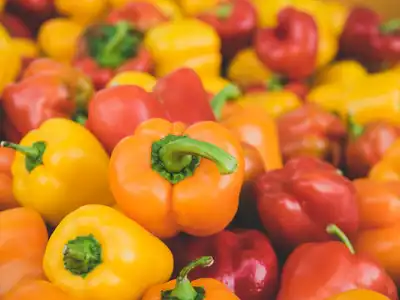
Can You Freeze Bell Peppers?
Yes, you can freeze bell peppers without blanching. Wash, core, seed, and cut them, then pack them raw or tray-freeze the pieces first so they stay loose. The National Center for Home Food Preservation recommends raw-packed peppers for cooked or uncooked uses and gives a separate blanched method for cooked dishes. Expect a softer texture after freezing, so peppers work best in fajitas, stir-fries, soups, and stews rather than salads. For best quality, use them within about 8 to 12 months at 0°F (-18°C).
Sources & References
This information is based on official guidelines from trusted food safety authorities:
Freezing and Food Safety
View Source →Freezing Carrots
View Source →How to chill, freeze and defrost food safely
View Source →Effect of Different Cooking Methods on Structure and Quality of Industrially Frozen Carrots
View Source →Freezing Carrots - Colorado State University Extension
View Source →
About the Author
Disclaimer
The information on this website is provided for general informational purposes only. While we work to keep our food storage and freezing guides accurate and current, we are not food safety professionals, nutritionists, or medical experts, and our recommendations may not account for every individual circumstance, product type, or storage condition.
Always consult official food safety guidance (such as your national food safety agency) and use your own judgment before consuming stored or frozen food. CanIFreeze.com assumes no responsibility or liability for any loss, damage, illness, or other adverse outcome resulting from reliance on the information provided on this site.
CanIFreeze.com is a participant in the Amazon Associates Program, an affiliate advertising program designed to provide a means for sites to earn advertising fees by linking to Amazon.com and its affiliated sites. As an Amazon Associate we earn from qualifying purchases made through links on this site, at no extra cost to you. Product links are clearly marked where they appear.
Disclaimer date: