Official Storage Guidelines for Basil
🇺🇸 USDA Guidelines
🇬🇧 FSA Guidelines
Disclaimer: This information is provided for general guidance only. It is based on publicly available USDA and FSA recommendations at the time of publication. Storage times may vary depending on handling, packaging, and storage conditions. Always check official sources and use your best judgment to ensure food safety.
This guide contains Amazon affiliate links, marked ↗. If you buy through one, we may earn a commission at no extra cost to you. Learn more about affiliate links.
Frequently Asked Questions
Can you freeze basil leaves without blanching?
Yes. Wash and dry the leaves very thoroughly, freeze them in a single layer, then seal them in a freezer bag. Unblanched basil keeps its fresh aroma well, although the leaves often darken and become limp. Handle them gently because bruising speeds darkening.
A brief blanch can protect green color, but Illinois Extension notes that blanching may reduce herb flavor. For most sauces, the raw tray-freeze method gives a better balance of effort and aroma. Neither method preserves the texture needed for a fresh salad.
Is basil better frozen in water or olive oil?
Water cubes are versatile for soup, stew, and any recipe where extra oil is unwanted. Oil cubes protect chopped basil from air and fit tomato sauce, sautéed vegetables, and pasta. You can also puree basil with just enough oil to move the blender, then freeze small portions.
Freeze oil mixtures immediately. Oregon State University advises that fresh herbs in oil must be refrigerated and used within 4 days or frozen. Homemade basil oil should never sit at room temperature.
How can you keep frozen basil from turning black?
Start with unbruised leaves, wash gently, dry completely, work quickly, and limit air in the package. Coating chopped basil in oil reduces oxygen exposure. A short blanch followed by ice-water cooling can preserve greener color, but may sacrifice some aroma.
Some darkening is normal cell damage, not proof of spoilage. Freeze small portions so the package is not repeatedly opened and warmed. In a blended tomato sauce or pesto, color matters less than flavor.
Can you freeze homemade basil pesto?
Yes. Portion pesto into a small tray, freeze it promptly, and transfer the solid portions to an airtight labeled container. Smaller portions thaw quickly and prevent repeated warming of the batch. Our dedicated pesto freezing guide covers texture, cheese, and portioning in more detail.
Pesto containing fresh garlic and oil must not be stored at room temperature. Keep it refrigerated for no more than 4 days or freeze it, following Oregon State University safety guidance for herbs and vegetables in oil.
Can frozen basil replace fresh basil on pizza or caprese?
Frozen basil can flavor pizza, especially when tucked under toppings or stirred into sauce, but it will look darker and wetter than fresh leaves. Add a fresh leaf after baking if appearance and bright aroma matter. Frozen basil is not a good substitute in caprese salad because it has lost its firm texture.
For cooking, crumble tray-frozen leaves directly into the dish or add an oil cube while the sauce heats. Pair it with mozzarella and bread dough for a freezer-assisted pizza night.
Basil Freezing and Storage Guide
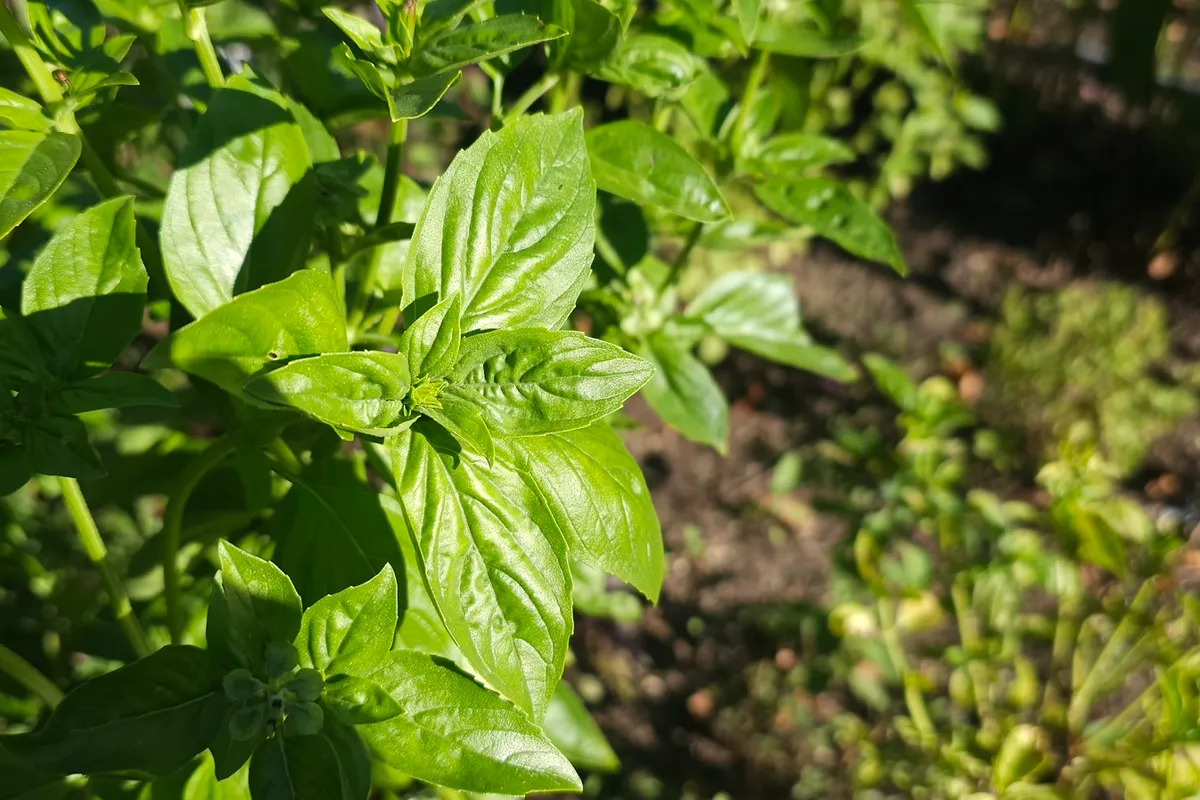
Basil freezes for flavor, not for fresh texture. Its tender leaves contain enough water that freezing breaks their cells, leaving them limp and sometimes dark after thawing. That rules out caprese salad and decorative garnishes, but it does not rule out tomato sauce, pesto, soup, pizza, curry, or pasta where the herb is chopped or cooked.
How to Freeze Basil Leaves or Cubes
To freeze loose leaves, wash gently, dry completely, and spread them on a tray without overlap. Once solid, transfer them to an airtight freezer bag and press out excess air. For cubes, chop the basil and cover it with water or oil in a lidded silicone tray(affiliate link, opens Amazon). Freeze immediately, then bag the portions so the tray does not remain occupied or absorb odors.
Blanching is optional. It can keep leaves greener, but heat also drives off some volatile aroma. An oil-coated puree limits contact with air and works particularly well for Italian-style dishes. Regardless of method, use the basil within about 4 to 6 months for best flavor and label oil cubes clearly so they are not mistaken for plain herb cubes.
How to Cook with Frozen Basil
How Long Frozen Basil Keeps
Add basil from frozen to tomatoes, soup, pasta, or a pizza made with bread dough and mozzarella. Freeze a prepared sauce using the more specific pesto guide. For another tender leafy herb that suits different cuisines, compare the methods in our cilantro guide, or see oregano for a sturdier, more oil-rich herb that tolerates freezing a little differently.
Editor's Picks
Gear Worth Buying for Basil
OXO Good Grips Silicone Large Ice Cube Tray with Lid
The covered silicone compartments are useful for freezing basil puree, pesto, or chopped leaves in water or oil as recipe-sized portions.
Shop on AmazonStasher Stand-Up Mid Reusable Silicone Bag (56 oz)
A premium, reusable stand-in for disposable freezer bags - freezer, oven, and dishwasher safe.
Shop on AmazonRubbermaid Brilliance Airtight Food Storage Containers, 24-Piece Set
A complete, leak-proof set that covers nearly any portion size this guide calls for.
Shop on Amazon
As an Amazon Associate, we earn from qualifying purchases.
Important Safety Guidelines
- Wash basil in cool running water and discard moldy, slimy, or decaying leaves. Dry it thoroughly.
- Freeze basil-and-oil mixtures immediately. Fresh herbs stored in oil at room temperature can create conditions for botulism toxin formation.
- If refrigerated rather than frozen, Oregon State University says fresh herb-and-oil mixtures should be used within 4 days.
- Keep frozen basil airtight at 0°F (-18°C) or below.
- Use clean trays, utensils, and containers, especially for pesto or puree.
- Thaw in the refrigerator if it will not go directly into a hot dish.
- Do not taste suspect pesto or herb oil to decide whether it is safe.
Key Safety Reminders
- Always label containers with freezing date
- Use airtight containers to prevent freezer burn
- Follow proper thawing procedures
You Might Also Like
Can You Freeze Celery?
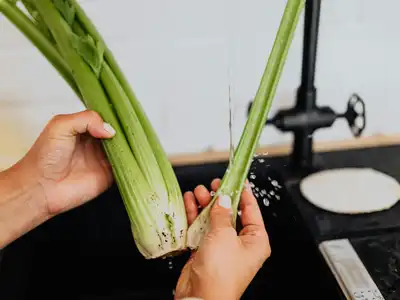
Yes, you can freeze celery for up to 12 months, though it loses its signature crunch. Blanching celery for 3 minutes before freezing preserves flavor and prevents browning, making it perfect for soups, stews, and stocks. While frozen celery won't work for raw snacks or salads, it's a game-changer for reducing food waste and always having this versatile veggie ready for cooked dishes.
Can You Freeze Cilantro?
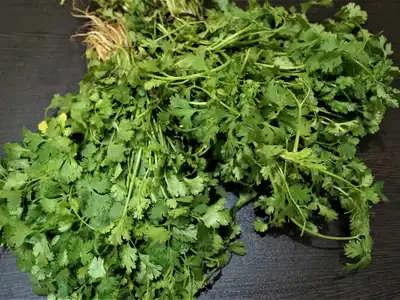
Yes, you can freeze cilantro, but it will lose the crisp texture needed for garnish. Freeze clean, thoroughly dried leaves and tender stems on a tray, or chop them into water or oil cubes. The flavor works well in soups, curries, beans, sauces, and marinades, with best quality in about 4 to 6 months.

Can You Freeze Fresh Chillies and Chili Peppers?
Yes, fresh chillies and chili peppers freeze very well without blanching. Wash and dry them, remove stems if convenient, then freeze whole, sliced, or chopped in recipe-size portions. They soften after thawing, so use them directly from frozen in sauces, curries, soups, and cooked dishes. University of Nebraska-Lincoln Extension puts frozen peppers at about 8 months for best quality, though a well-sealed bag stays safe well beyond that.
Can You Freeze Garlic?
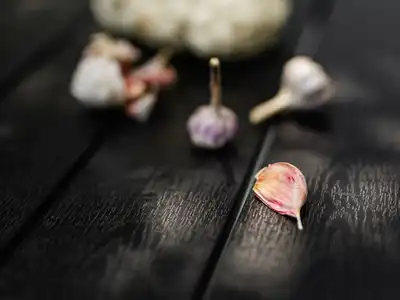
Yes, you can freeze garlic unpeeled, chopped, or puréed with oil. Wrap it airtight to contain its odor and use it mainly in cooked dishes because freezing softens the cloves and can make garlic taste stronger or slightly bitter. Garlic-in-oil requires special care: refrigerate it at 40°F (4°C) or below and use it within 4 days, or freeze it immediately. Never store untreated garlic-in-oil at room temperature because botulinum toxin can form without visible signs of spoilage.
Sources & References
This information is based on official guidelines from trusted food safety authorities:
Preserving garden-grown herbs
View Source →Preserving Herbs
View Source →Using Fresh Herbs in Kitchen
View Source →Herbs and vegetables in oil
View Source →How to chill, freeze and defrost food safely
View Source →
About the Author

Disclaimer
The information on this website is provided for general informational purposes only. While we work to keep our food storage and freezing guides accurate and current, we are not food safety professionals, nutritionists, or medical experts, and our recommendations may not account for every individual circumstance, product type, or storage condition.
Always consult official food safety guidance (such as your national food safety agency) and use your own judgment before consuming stored or frozen food. CanIFreeze.com assumes no responsibility or liability for any loss, damage, illness, or other adverse outcome resulting from reliance on the information provided on this site.
CanIFreeze.com is a participant in the Amazon Associates Program, an affiliate advertising program designed to provide a means for sites to earn advertising fees by linking to Amazon.com and its affiliated sites. As an Amazon Associate we earn from qualifying purchases made through links on this site, at no extra cost to you. Product links are clearly marked where they appear.
Disclaimer date: