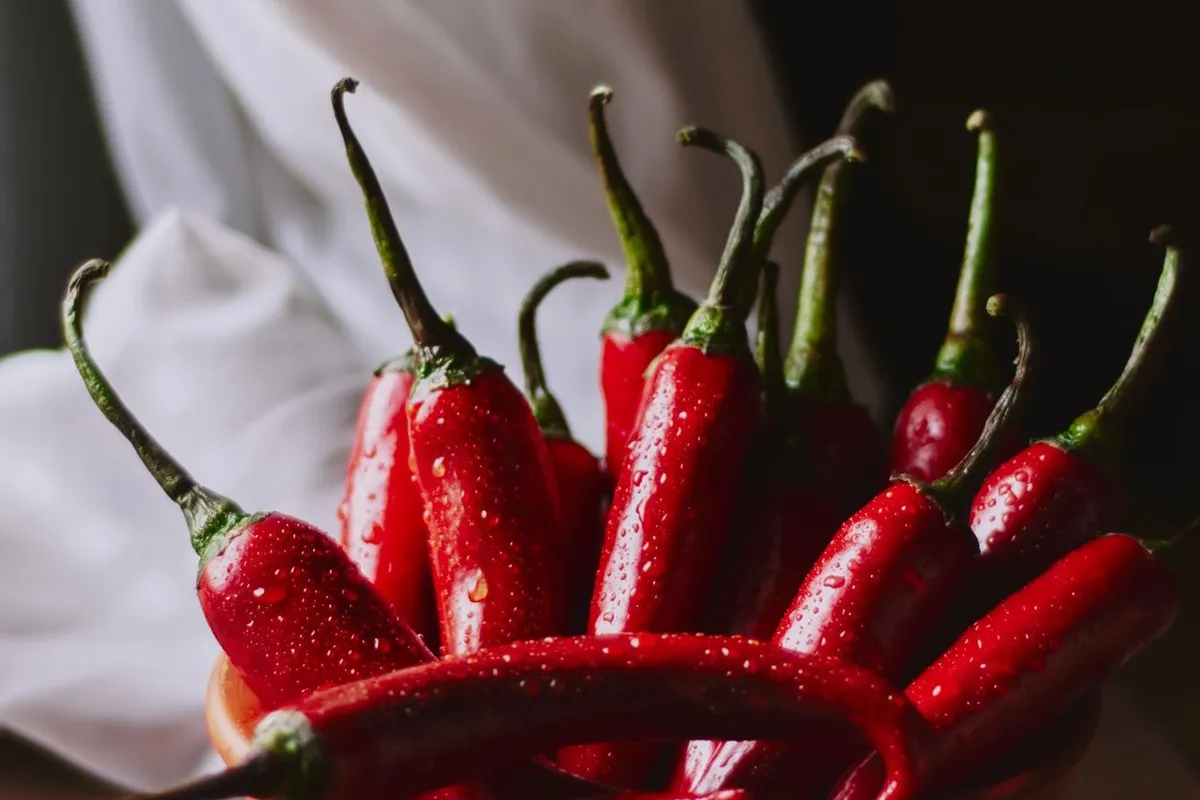
Official Storage Guidelines for Fresh Chillies and Chili Peppers
🇺🇸 USDA Guidelines
🇬🇧 FSA Guidelines
Disclaimer: This information is provided for general guidance only. It is based on publicly available USDA and FSA recommendations at the time of publication. Storage times may vary depending on handling, packaging, and storage conditions. Always check official sources and use your best judgment to ensure food safety.
This guide contains Amazon affiliate links, marked ↗. If you buy through one, we may earn a commission at no extra cost to you. Learn more about affiliate links.
Frequently Asked Questions
Do chillies need blanching before freezing?
No, and chillies are one of the few vegetables where skipping the blanch is the officially documented method rather than a shortcut. Both the National Center for Home Food Preservation and University of Nebraska-Lincoln Extension describe the same simple process for hot peppers: wash them, gently rub off any surface grit, stem them if you want, pack them with as little headspace as possible, and freeze. There is no water bath, no ice bath, and no timer involved.
That puts chillies in the same small category as sweet bell peppers, which also skip blanching, and sets them apart from vegetables like cabbage or green beans, where enzyme activity keeps degrading color and flavor in the freezer unless heat stops it first. Extension guidance doesn't fully explain why chillies get a pass, but their thick skin, low water content relative to something like a tomato, and naturally protective compounds seem to slow the enzymatic breakdown that blanching is designed to interrupt.
The one place a quick blanch earns its keep is if you're freezing peppers specifically for stuffing later and want the skins to hold their shape through a long freezer stay. For everyday cooking use, raw and unblanched is genuinely the recommended method, not a corner cut to save time.
Is it better to freeze chili peppers whole or sliced?
Whole peppers are the lowest-effort option. You wash, dry, and bag them, and the skin does most of the work protecting the flesh from freezer air. They're a good choice for a big harvest you don't have time to process, or for varieties you'll want to seed fresh right before cooking, since seeding gets easier once a whole frozen pepper has softened slightly.
Sliced or chopped peppers cost you a bit more prep time up front but pay it back at dinner. Rings and dice go straight into a hot pan with no cutting board and no capsaicin on your hands mid-recipe. If you slice ahead, tray-freeze the pieces in a single layer on a sheet pan first, then transfer them to a reusable freezer bag(affiliate link, opens Amazon) once solid. Skipping that step means the pieces fuse into one pepper-flavored brick that has to be chipped apart with a knife, which is both annoying and a good way to nick a finger.
For a middle ground, a few extension programs suggest freezing whole peppers in small batches of 4 to 6 rather than one giant bag, so you're not thawing an entire season's harvest to get a single jalapeño for salsa.
Does freezing make chillies hotter?
Freezing itself does not create capsaicin or raise the Scovill heat of a pepper. What changes is how that heat reaches your tongue. Ice crystals rupture the pepper's cell walls as they form, and when the pepper thaws, those broken cells release their oils and juices more readily than an intact fresh pepper would. The result is a thawed or cooked pepper that can taste more immediately and evenly hot, even though the total capsaicin content hasn't increased.
Most of that capsaicin lives in the pale placental tissue and ribs inside the pepper, not primarily in the seeds, despite the common kitchen myth. If you want to dial back heat before freezing, scrape out the ribs along with the seeds rather than assuming deseeding alone will do it.
Because frozen peppers can hit harder than fresh ones from the same variety, label the heat level on the bag and start with less than you'd use fresh in soup, curry, or salsa. Taste and adjust once the dish has finished cooking, since capsaicin's punch is easier to judge in a hot finished dish than a raw frozen chunk.
Can you use frozen chillies without thawing?
Yes, and for cooked dishes that's genuinely the better approach. A whole pepper straight from the freezer is actually easier to slice thinly than a fully soft, room-temperature one, because the slight rigidity gives the knife something to work against. Chopped or diced pieces can go directly into a hot pan, simmering sauce, or stockpot with no prior thawing at all.
Letting a chilli thaw first mostly works against you. Ice crystal damage means a thawed pepper is wetter and floppier than a fresh one, which is fine once it's cooked into something but disappointing in fresh salsa, pico de gallo, or a raw garnish where you wanted a crisp bite and a clean cut.
For sauces and marinades specifically, adding the pepper frozen and letting it cook down alongside tomatoes, onions, or taco meat actually helps distribute the capsaicin more evenly through the dish, since the pepper is releasing its oils exactly where you want the heat to end up.
How do you get capsaicin off your skin after cutting chillies?
Reach for something with fat in it, not more water. Capsaicin is an oil-based compound, so it binds to water poorly and mostly just gets pushed around rather than washed away by a plain rinse. Research covered by Penn State University found that milk, and specifically whole milk, is more effective than water at cutting the burning sensation, likely because casein proteins in milk act like a mild detergent on the oily compound.
If milk isn't handy, a bit of cooking oil or a fatty hand soap rubbed in before you rinse can help lift capsaicin off skin the same way it helps lift grease off a pan. Whichever method you use, resist the urge to touch your eyes, nose, or contact lenses until your hands have been properly degreased. Symptoms from a capsaicin transfer to the eye can last well over an hour and are miserable enough that prevention beats treatment.
The best fix is still avoiding the problem in the first place. Wear gloves for anything hotter than a jalapeño, and if you're processing a large batch for freezing, keep a bowl of milk or a squeeze of dish soap within reach at the sink rather than improvising after the fact.
Can you freeze chili paste or chopped chili in oil?
Yes, and it's one of the more convenient ways to bank a big harvest of small hot peppers like bird's eye or Thai chillies, which are tedious to seed and slice one at a time later. Blitz washed, stemmed peppers into a rough paste, portion it into an ice cube tray with a lid(affiliate link, opens Amazon), freeze until solid, then pop the cubes into a labeled bag so the tray is free again.
One cube dissolves quickly into a hot pan, which makes weeknight cooking faster than thawing and chopping a whole pepper. If you blend with a little neutral oil, keep the portions frozen until the moment they go into a hot dish. Herb-and-oil mixtures like the ones described in our oregano and parsley guides carry the same rule: freeze oil-based mixtures immediately and never let them sit at room temperature, since oil can create low-oxygen conditions that support bacterial growth in unrefrigerated food.
Label the heat level on chili paste cubes more carefully than on whole peppers. A rough puree loses the visual cues, like size and color, that normally hint at how hot a pepper is going to be.
Fresh Chillies and Chili Peppers Freezing and Storage Guide
Fresh chillies need no blanching and almost no prep, which makes freezing more useful than letting a half-used bag shrivel and go soft in the crisper drawer. The National Center for Home Food Preservation and University of Nebraska-Lincoln Extension both describe the same short method for hot peppers: wash, stem if you like, pack, and freeze, with no heat treatment at all. That is a genuine timesaver during pepper season, when a productive plant or a farmers market haul can outpace what any household eats fresh in a week.
How to Freeze Whole Chillies
Wash peppers gently under cool running water rather than hot, since hot water and steam can carry capsaicin into the air around the sink. Dry them thoroughly, remove stems if you want a head start on cooking later, and freeze them in a thin, flat layer inside an airtight bag with the air pressed out. Label the variety and heat level before every red pepper becomes an anonymous red shape at the bottom of the freezer. This matters more than it sounds: a habanero and a red jalapeño look nearly identical once frozen, and mistaking one for the other in a pot of chili is not a mistake you get a second chance at fixing.
How to Freeze Sliced or Chopped Peppers
Wear gloves, especially for anything hotter than a jalapeño, and work on a board you don’t mind smelling faintly of chilli for a day. Slice or dice the peppers, spread the pieces in a single layer on a tray, and freeze until solid before bagging so they stay loose rather than fusing into one block. Removing the seeds and the pale internal ribs trims some heat and makes the pieces easier to portion, but keep in mind that ribs, not seeds, carry most of a pepper’s capsaicin.
Cooking from Frozen
Add peppers directly to taco meat, tomato sauce, curry, or a stir-fry without thawing first. A frozen or partially frozen chilli is often easier to slice thinly than a soft fresh one, since the added rigidity gives the knife something to work against. Frozen peppers are a cooking ingredient, not a crisp salad substitute: ice damage means the texture will not hold up in something raw, but that same cell damage helps a chilli release its heat and flavor quickly once it hits a hot pan.
A Note on Heat After Freezing
Cooks who freeze chillies regularly often notice that a thawed or cooked pepper tastes more immediately hot than the same variety fresh. That is not your imagination and it is not the pepper getting hotter in the freezer. Broken cell walls simply release oils faster, so the same amount of capsaicin reaches your palate in a shorter window. Start with slightly less frozen chilli than you would use fresh, taste the finished dish, and add more if needed. For a milder cooking staple with a similar freeze-raw-no-blanch profile, see the bell peppers guide, and for the herbs that most often end up in the same pot, see oregano and parsley.
Editor's Picks
Gear Worth Buying for Fresh Chillies and Chili Peppers
OXO Good Grips Covered Ice Cube Tray (Large Cube)
The lid keeps chili paste and oil-blitzed pepper portions from picking up freezer odors, and one cube thaws fast enough for a weeknight sauce.
Shop on AmazonStasher Stand-Up Mid Reusable Silicone Bag (56 oz)
A premium, reusable stand-in for disposable freezer bags - freezer, oven, and dishwasher safe.
Shop on AmazonRubbermaid Brilliance Airtight Food Storage Containers, 24-Piece Set
A complete, leak-proof set that covers nearly any portion size this guide calls for.
Shop on Amazon
As an Amazon Associate, we earn from qualifying purchases.
Important Safety Guidelines
- Wear gloves for hot varieties and avoid touching eyes, nose, or face. The National Center for Home Food Preservation and University of Nebraska-Lincoln Extension both flag this as the single most important prep step for hot peppers.
- Wash peppers under running water and dry thoroughly before freezing; do not rinse them in hot water, which can push capsaicin into the air around your sink.
- If capsaicin does reach your skin, reach for whole milk or a splash of cooking oil before you reach for water. Capsaicin is oil soluble, so plain water mostly just spreads it around.
- NCHFP and UNL Extension guidance says hot peppers do not need blanching before freezing; wash, stem, package, and freeze.
- Label the variety and heat level; frozen mild and very hot peppers can look nearly identical once they lose their sheen.
- Clean knives, boards, food processor blades, and trays with soap and hot water after handling capsaicin, and avoid wiping your face with the same towel.
- Discard moldy, slimy, or rotten peppers rather than trimming and freezing them; freezing preserves quality, it does not reverse decay.
Key Safety Reminders
- Always label containers with freezing date
- Use airtight containers to prevent freezer burn
- Follow proper thawing procedures
You Might Also Like
Can You Freeze Arugula?
Yes, you can freeze arugula (also called rocket in the UK, Ireland, Australia, and much of Europe - same plant, different name), but only for cooked uses. Blanch the leaves briefly, dry them well, and freeze for about 6-8 months of good quality in soups, sautés, and pasta dishes. Raw arugula wilts into a soggy, limp mess when frozen and thawed, so it's never coming back for salads. If you'd rather skip that texture loss altogether, blending arugula into pesto before freezing gives a noticeably better result than freezing the whole leaves.
Can You Freeze Asparagus?
Yes, you can freeze asparagus, but blanching first makes a real difference. Blanched and frozen properly, asparagus holds good quality for 8-12 months and works well in soups, stir-fries, and roasted side dishes. Skip the blanch and it'll still be safe to eat, but it fades in color and flavor within a month or two and turns noticeably tougher. Either way, frozen asparagus loses its raw crunch, so it's a cooked-dish ingredient from here on, not a salad or crudité one.
Can You Freeze Basil?
Yes, you can freeze basil. Whole leaves, chopped water cubes, oil cubes, and pesto all work, but thawed leaves become dark and limp rather than salad-fresh. Freeze clean, dry basil promptly and use it in sauces, soups, pasta, pizza, and pesto within about 4 to 6 months for the best flavor.
Can You Freeze Bean Sprouts?
Yes, you can freeze bean sprouts, but blanch them briefly first (they turn very watery and limp otherwise) and use them within 2-3 months for cooked dishes only - freezing doesn't bring back their crunch. More importantly: bean sprouts are one of the higher food-safety-risk vegetables you can buy, raw or frozen, because the warm, humid conditions that make seeds sprout also let bacteria like Salmonella and E. coli grow. Freezing pauses that bacterial growth but does not kill it - a July 2025 CDC/FDA investigation into Salmonella-contaminated frozen sprouted beans is a real, recent reminder of exactly that.
Sources & References
This information is based on official guidelines from trusted food safety authorities:
Freezing Vegetables
View Source →Freezing Hot Peppers
View Source →How to Freeze Sweet, Bell and Hot Peppers
View Source →Milk: Best drink to reduce burn from chili peppers
View Source →Freezing and Food Safety
View Source →
About the Author

Disclaimer
The information on this website is provided for general informational purposes only. While we work to keep our food storage and freezing guides accurate and current, we are not food safety professionals, nutritionists, or medical experts, and our recommendations may not account for every individual circumstance, product type, or storage condition.
Always consult official food safety guidance (such as your national food safety agency) and use your own judgment before consuming stored or frozen food. CanIFreeze.com assumes no responsibility or liability for any loss, damage, illness, or other adverse outcome resulting from reliance on the information provided on this site.
CanIFreeze.com is a participant in the Amazon Associates Program, an affiliate advertising program designed to provide a means for sites to earn advertising fees by linking to Amazon.com and its affiliated sites. As an Amazon Associate we earn from qualifying purchases made through links on this site, at no extra cost to you. Product links are clearly marked where they appear.
Disclaimer date: