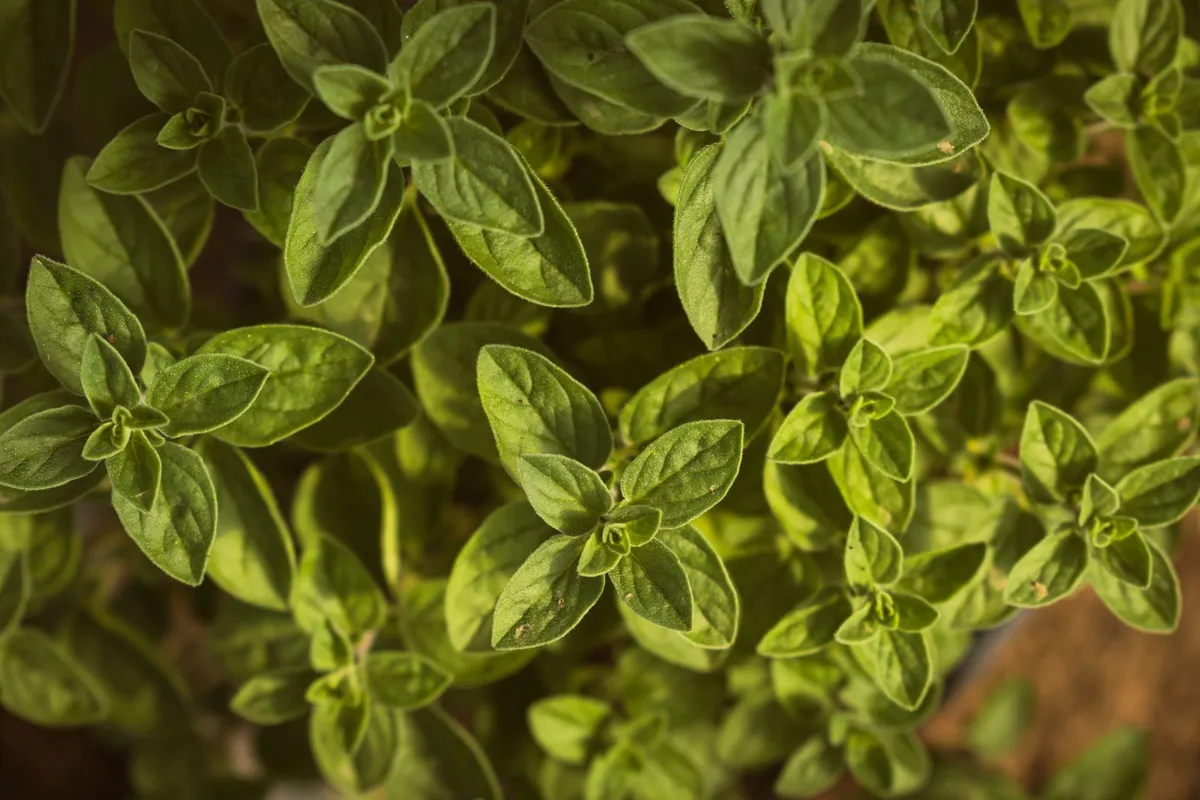
Official Storage Guidelines for Oregano
🇺🇸 USDA Guidelines
🇬🇧 FSA Guidelines
Disclaimer: This information is provided for general guidance only. It is based on publicly available USDA and FSA recommendations at the time of publication. Storage times may vary depending on handling, packaging, and storage conditions. Always check official sources and use your best judgment to ensure food safety.
This guide contains Amazon affiliate links, marked ↗. If you buy through one, we may earn a commission at no extra cost to you. Learn more about affiliate links.
Frequently Asked Questions
Is oregano better frozen or dried?
Freezing keeps a greener, more herbaceous aroma close to what you'd get from a fresh sprig; drying concentrates the oils into a more intense, slightly earthier seasoning that keeps for a year or more in a spice jar. Neither is universally better, and oregano happens to be forgiving of both because it's a relatively oil-rich, sturdy herb compared with something delicate like parsley.
Freeze young leaves when you want that fresher profile in a sauce, marinade, or braise you'll cook soon. Dry a large harvest when freezer space is tight, when you want a shelf-stable jar that doesn't need thawing, or when you're making a spice blend where a concentrated, slightly toasted flavor is actually the goal.
A lot of home cooks split the difference: freeze the first flush of tender spring growth for sauces, then dry the tougher, more pungent late-summer growth once the plant has flowered, since flavor compounds tend to peak right around flowering.
Can you freeze whole oregano sprigs?
Yes. The National Center for Home Food Preservation's herb method is intentionally simple: wash the sprigs, drain and pat them dry with paper towels, wrap a few sprigs or leaves in freezer wrap or a bag, and freeze. There's no blanching step for herbs at all, which is one of the few places NCHFP's freezing guidance skips heat treatment entirely.
A sprig package is genuinely convenient for braises, roasts, and stocks, where you'd normally toss in a whole fresh sprig and fish it out later. Strip the leaves into the pan while they're still frozen rather than waiting for them to thaw and go limp on the counter.
For recipes that call for measured spoonfuls rather than a whole sprig, a flat chopped freezer bag(affiliate link, opens Amazon) is more practical since you can snap off a portion without unwrapping the whole batch.
Can oregano be frozen in olive oil?
Yes, and Penn State Extension's herb-freezing guidance gives a specific ratio for this: about a third to a half cup of oil for every 2 cups of chopped herbs. A neutral oil like canola lets the oregano's own flavor lead, while olive oil works well when its own flavor complements the dish you're planning. Freezing in oil also helps chopped herbs keep their color better than leaves frozen loose, since the oil limits their contact with air.
Portion the oil-and-oregano mixture into a covered ice cube tray(affiliate link, opens Amazon) so each cube is a usable amount, then move the solid cubes into a labeled bag once frozen. The tray stays free for your next batch instead of being tied up in the freezer for weeks.
Oil does not make herbs safe to hold at room temperature. Freeze the mixture the same day you make it, and keep every portion frozen solid until it goes directly into a hot pan or simmering sauce.
Does frozen oregano become bitter?
Some herb flavor compounds can shift during long frozen storage, and general NCHFP prepared-food guidance for seasonings notes that certain herbs and spices can turn more bitter or lose balance the longer they sit, especially past the several-month mark. Oregano is sturdy compared with delicate herbs, but it isn't immune, particularly if the package has been opened and refrozen repeatedly.
Airtight packaging matters as much as freezer time here. Oxidation from a poorly sealed bag and absorbed odors from other freezer contents can both read as an off, slightly bitter flavor even in a herb that's still well within its usable window. This is part of why Penn State Extension favors glass jars or foil over plain plastic bags for herbs stored near strong-smelling food.
Use older oregano packs in a robust, long-simmered tomato sauce or a hearty stew rather than a delicate dressing, where a slightly duller flavor is easy to mask and season around.
How long does frozen oregano actually keep, and does it ever go bad?
For best quality, use frozen oregano within about 3 to 6 months, which matches general extension guidance for frozen herbs. Kept continuously at 0°F (-18°C) or below in a sealed package, it will not become unsafe to eat after that window closes; it will just gradually lose aroma and color, tasting more like a faded version of itself.
"Gone bad" for a frozen herb looks different than for fresh produce. There's no mold risk once it's frozen and sealed, but you should still discard oregano that shows freezer burn so severe the leaves have turned to dry, papery flakes with no aroma left, or a package that smells strongly of something else in the freezer, like fish or onions, that has migrated through the packaging.
A simple habit helps more than watching the calendar: freeze oregano in small, single-recipe portions and label the freeze date. You'll cycle through a batch well before quality becomes an issue, and you won't be guessing whether a mystery bag of green flakes is this year's harvest or last year's.
What's the best way to use frozen oregano in cooking?
Add it early rather than as a last-minute garnish. Oregano's aroma is fat- and heat-soluble, so tossing a frozen pinch into oil at the start of a sauté, or into a simmering tomato sauce alongside frozen parsley or a bit of frozen chilli, gives the flavor time to bloom through the dish. That's very different from fresh oregano, which is sometimes finished on top of a dish at the end for a brighter, more peppery bite that a thawed leaf simply can't deliver.
For pizza and Italian-style sauces specifically, frozen oregano cooked into the base sauce works better than trying to sprinkle it fresh onto a finished pie, since thawed leaves are too limp and wet to sit attractively on a hot surface anyway.
Oil cubes are particularly handy for a quick pasta sauce or roasted vegetables: drop a frozen cube straight into a hot pan and let it melt in as the oil heats, seasoning the dish from the very first minute of cooking rather than the last.
Oregano Freezing and Storage Guide
Oregano is sturdy in flavor but delicate in structure. Freezing trades the fresh leaf’s crisp shape for a brighter, more herbaceous cooked aroma than many dried jars provide, which is exactly why it’s worth doing for a garden surplus rather than just letting a bunch dry out on the counter and calling it done.
Freeze Oregano Loose or Flat
Dry leaves carefully with a salad spinner or paper towels, since any surface water left behind turns into extra ice that dilutes both texture and flavor. Tray-freeze whole leaves or small sprigs in a single layer before bagging, or chop the leaves and press them into a thin, flat sheet inside a bag so you can snap off a portion without thawing the whole batch. The National Center for Home Food Preservation’s herb method skips blanching entirely for exactly this kind of freezing, which keeps the process to a few minutes of hands-on work.
Freeze Oregano in Oil
Penn State Extension’s herb-freezing guidance gives a workable ratio of about a third to a half cup of oil per 2 cups of chopped herbs, which is a useful starting point rather than a rule you need to measure exactly. Portion only enough for the recipes you’ll actually cook soon, freeze the mixture the same day you make it, and drop a portion into pasta sauce, soup, or a meat braise straight from frozen.
Protecting the Aroma in Storage
Oregano’s strength as a seasoning, its concentrated aromatic oil, is also why it travels through packaging more readily than a milder ingredient. Penn State Extension specifically flags plastic bags as more permeable to herb odors than glass jars or a tight foil wrap, which matters if your freezer also holds ice cream or plain butter that can pick up unwanted flavors. A double-wrapped bag inside a rigid container is a reasonable middle ground if a dedicated glass jar isn’t practical.
When Not to Freeze It
Choose drying when you want a shelf-stable, crumbly pizza seasoning that doesn’t take up freezer space, or when you’re building a spice rack blend that needs to stay put at room temperature. Choose freezing when you have a garden surplus, want to preserve a fresher aromatic profile than drying gives you, and plan to use it in cooked sauces, soups, and marinades rather than as a dry rub. For other freezer-friendly aromatics that often end up in the same pot, see parsley for its milder, more water-heavy profile and chili peppers for the heat side of an Italian or Mexican sauce base.
Editor's Picks
Gear Worth Buying for Oregano
OXO Good Grips Covered Ice Cube Tray (Large Cube)
Follows Penn State Extension's herb-in-oil ratio neatly, and the lid stops the oregano's strong aroma from drifting into everything else in the freezer.
Shop on AmazonStasher Stand-Up Mid Reusable Silicone Bag (56 oz)
A premium, reusable stand-in for disposable freezer bags - freezer, oven, and dishwasher safe.
Shop on AmazonRubbermaid Brilliance Airtight Food Storage Containers, 24-Piece Set
A complete, leak-proof set that covers nearly any portion size this guide calls for.
Shop on Amazon
As an Amazon Associate, we earn from qualifying purchases.
Important Safety Guidelines
- Wash oregano gently and dry it completely before freezing; surface water becomes extra ice and dilutes the aroma you're trying to preserve.
- Remove moldy, blackened, or slimy leaves and stems rather than freezing around them.
- Freeze oregano-and-oil mixtures immediately and never hold them at room temperature; Penn State Extension's herb-preservation guidance treats this as a hard rule, not a suggestion.
- Use clean tools and freezer-safe trays, and prefer glass jars or foil over plain plastic bags if you're freezing near other strong-smelling food, since Penn State Extension notes plastic bags let herb odors pass through more easily.
- Double-wrap strongly aromatic herb packs to limit odor transfer to milder items like butter or ice cream stored nearby.
- Add frozen oregano directly to cooking rather than thawing it on the counter first.
Key Safety Reminders
- Always label containers with freezing date
- Use airtight containers to prevent freezer burn
- Follow proper thawing procedures
You Might Also Like
Can You Freeze Basil?
Yes, you can freeze basil. Whole leaves, chopped water cubes, oil cubes, and pesto all work, but thawed leaves become dark and limp rather than salad-fresh. Freeze clean, dry basil promptly and use it in sauces, soups, pasta, pizza, and pesto within about 4 to 6 months for the best flavor.
Can You Freeze Celery?
Yes, you can freeze celery for up to 12 months, though it loses its signature crunch. Blanching celery for 3 minutes before freezing preserves flavor and prevents browning, making it perfect for soups, stews, and stocks. While frozen celery won't work for raw snacks or salads, it's a game-changer for reducing food waste and always having this versatile veggie ready for cooked dishes.
Can You Freeze Cilantro?
Yes, you can freeze cilantro, but it will lose the crisp texture needed for garnish. Freeze clean, thoroughly dried leaves and tender stems on a tray, or chop them into water or oil cubes. The flavor works well in soups, curries, beans, sauces, and marinades, with best quality in about 4 to 6 months.
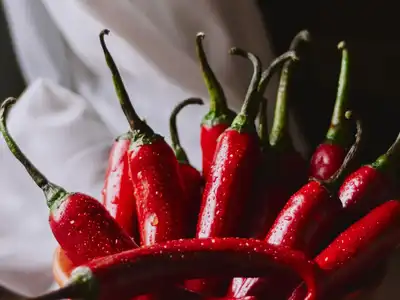
Can You Freeze Fresh Chillies and Chili Peppers?
Yes, fresh chillies and chili peppers freeze very well without blanching. Wash and dry them, remove stems if convenient, then freeze whole, sliced, or chopped in recipe-size portions. They soften after thawing, so use them directly from frozen in sauces, curries, soups, and cooked dishes. University of Nebraska-Lincoln Extension puts frozen peppers at about 8 months for best quality, though a well-sealed bag stays safe well beyond that.
Sources & References
This information is based on official guidelines from trusted food safety authorities:
Freezing Fresh Herbs
View Source →Freezing Herbs
View Source →Foods That Do Not Freeze Well
View Source →
About the Author

Disclaimer
The information on this website is provided for general informational purposes only. While we work to keep our food storage and freezing guides accurate and current, we are not food safety professionals, nutritionists, or medical experts, and our recommendations may not account for every individual circumstance, product type, or storage condition.
Always consult official food safety guidance (such as your national food safety agency) and use your own judgment before consuming stored or frozen food. CanIFreeze.com assumes no responsibility or liability for any loss, damage, illness, or other adverse outcome resulting from reliance on the information provided on this site.
CanIFreeze.com is a participant in the Amazon Associates Program, an affiliate advertising program designed to provide a means for sites to earn advertising fees by linking to Amazon.com and its affiliated sites. As an Amazon Associate we earn from qualifying purchases made through links on this site, at no extra cost to you. Product links are clearly marked where they appear.
Disclaimer date: