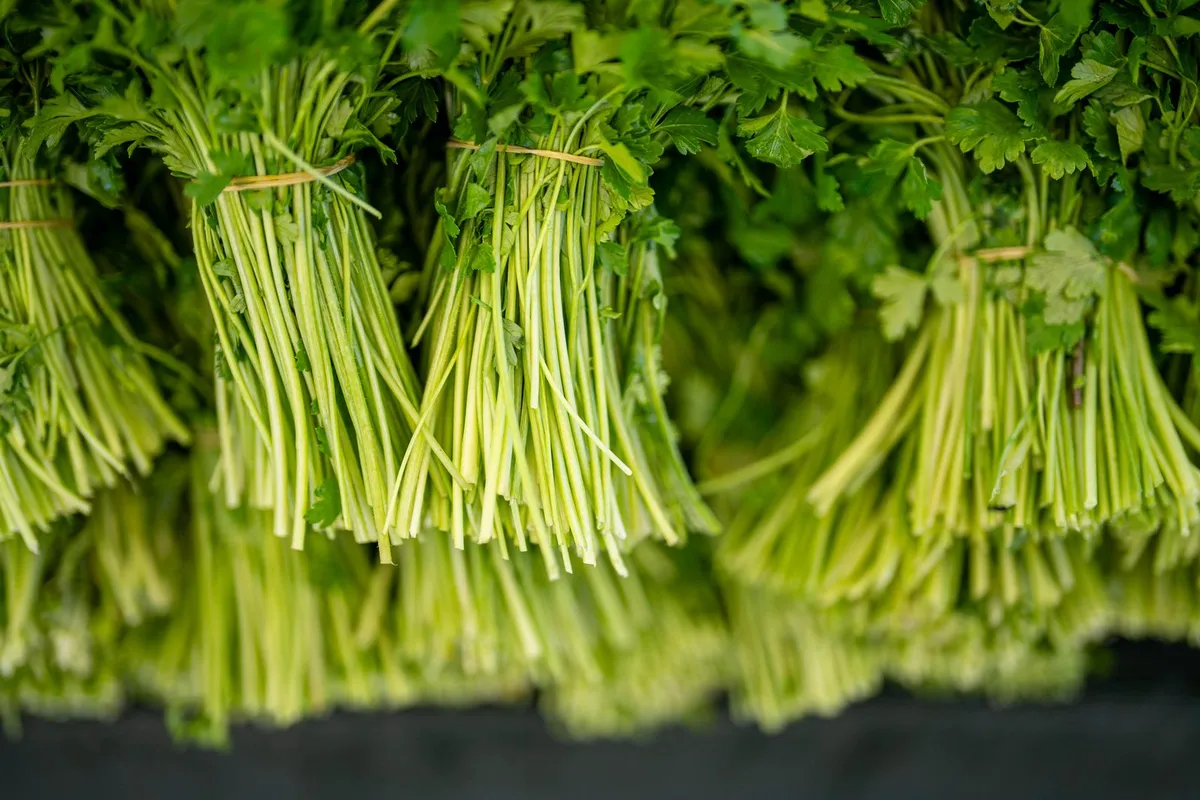
Official Storage Guidelines for Parsley
🇺🇸 USDA Guidelines
🇬🇧 FSA Guidelines
Disclaimer: This information is provided for general guidance only. It is based on publicly available USDA and FSA recommendations at the time of publication. Storage times may vary depending on handling, packaging, and storage conditions. Always check official sources and use your best judgment to ensure food safety.
This guide contains Amazon affiliate links, marked ↗. If you buy through one, we may earn a commission at no extra cost to you. Learn more about affiliate links.
Frequently Asked Questions
Is parsley better frozen in water, oil, or loose?
Loose tray-frozen leaves are the most flexible option and the least amount of prep: wash, dry, freeze flat, bag. Water cubes suit soup and stock, where a little extra liquid in the pot is a non-issue. Oil portions suit sautéed sauces and dressings where fat already belongs in the finished dish. Penn State Extension's herb guidance recommends roughly a third to a half cup of oil per 2 cups of chopped herbs as a starting ratio, which works for parsley just as it does for oregano.
Parsley's high water content compared with an oilier herb makes it a bit more prone to matting into a solid clump if you skip the tray-freeze step, so don't rush past drying and single-layer freezing even though it feels like an extra step.
A thin, flat reusable freezer bag(affiliate link, opens Amazon) is the space-saving option for loose leaves or chopped portions. Snap off what you need without thawing the entire pack, which matters more for parsley than for a sturdier herb since repeated partial thaws speed up both clumping and darkening.
Can frozen parsley still be used as garnish?
Not successfully, and this is worth being upfront about before you freeze a whole bunch expecting to sprinkle it fresh over a finished plate later. The National Center for Home Food Preservation's own herb guidance says plainly that frozen herbs become limp when they thaw and generally aren't suitable for garnish. Parsley also darkens as its damaged cells release water, so a thawed sprig looks nothing like the bright, crisp garnish you started with.
The flavor remains genuinely useful even though the look is gone. Use frozen parsley in soup, sauces, stuffing, or pesto, where it disappears into the dish rather than sitting on top of it.
Keep a fresh bunch on hand specifically for tabbouleh, chimichurri meant to be served raw, or a plate garnish. It's a small extra grocery trip, but there's no freezing method that gets around the basic physics of ice crystals rupturing a water-heavy leaf.
Should you freeze parsley stems?
Yes, tender stems carry plenty of flavor, arguably more concentrated flavor than the leaves in some varieties, and tossing them is a needless waste. Freeze clean stems separately for stock, braises, and bouquet garni; discard tough, woody, or discolored ends that would just add fiber without flavor.
Label leaves and stems in separate bags rather than mixing them. This prevents a handful intended for a smooth chimichurri or tabbouleh base from ending up full of fibrous stem pieces that don't blend down the same way.
A whole-plant approach also makes the most of a farmers market bunch: freeze the leaves loose or in cubes for everyday cooking, and set the stems aside specifically for the next time you're making stock or a braising liquid that benefits from a longer simmer.
Why does frozen parsley turn dark or icy?
Surface water on the leaf becomes frost, while slower freezing gives ice crystals more time to grow larger and damage more plant cells before the leaf is fully solid. Parsley is especially prone to this because it holds more water relative to its structure than an herb like oregano, which has a higher oil content and slightly tougher leaf.
Spin or pat parsley dry until it genuinely looks and feels dry, not just damp, then spread it thinly on a tray so it freezes fast rather than slowly clumping together as one cold mass. Transfer it to airtight packaging as soon as it's firm to the touch.
Darkening on its own is a quality defect, not a safety one. Sliminess, mold, or a rotten odor noticed before freezing means the parsley should be discarded rather than frozen; freezing preserves whatever state the herb was in when it went into the bag, it does not improve it.
How long does frozen parsley keep, and how do you know when to toss it?
For best flavor, use frozen parsley within about 3 to 6 months, consistent with general extension guidance for frozen herbs. Held continuously at 0°F (-18°C) in a sealed package, it stays safe well past that window; what you lose over time is aroma, color, and that fresh green bite, not safety.
Signs it's time to toss a pack rather than use it: leaves reduced to dry, colorless flakes with essentially no scent when rubbed between your fingers, or a package that has clearly absorbed the smell of something else in the freezer, like fish or strong cheese, through a plastic bag.
Freezing in small, single-recipe portions and labeling the freeze date is the simplest way to avoid ever facing that question. A quarter-cup bag used within a season beats a family-size block that sits untouched for a year and slowly loses everything that made it worth freezing in the first place.
Parsley Freezing and Storage Guide
Parsley’s freezer value is flavor, not appearance. It’s a thin-leaved, water-heavy herb, more so than something like oregano, so ice crystals rupture its cells thoroughly, and thawing releases that water and collapses the leaf into something limp and a little dark. That single tradeoff explains almost everything about how to handle parsley in the freezer.
How to Freeze Parsley Leaves
Wash, dry, strip, and tray-freeze leaves before bagging, or chop them into a thin, oil-free sheet you can snap portions from later. Drying matters more for parsley than for most herbs: the National Center for Home Food Preservation’s herb method calls for patting leaves dry with paper towels after washing, and a salad spinner removes noticeably more surface water than a towel alone, which translates directly into less clumping and less ice once the leaves are frozen. Work quickly once the leaves are frozen solid so condensation from your hands or the room doesn’t glue them back together.
Parsley Cubes and Oil Packs
Water cubes are convenient for chicken broth and stews, where a little extra liquid in the pot is welcome rather than a problem. Oil packs suit sauces and dressings, but must remain frozen solid until they go into a hot dish; Penn State Extension is explicit that fresh herbs held in oil at room temperature can create the low-oxygen conditions that support botulism-causing bacteria. For other herbs with different water-to-oil profiles, compare basil and cilantro, which share parsley’s texture problem but suit different cuisines.
Cooking with Frozen Parsley
Add it from frozen near the end of cooking for a brighter flavor, the same way you’d finish a dish with fresh parsley rather than simmering it for an hour. Long boiling flattens the aroma and makes the darkened leaf more noticeable, so a frozen pinch stirred in during the last few minutes of a soup or sauce, alongside frozen oregano or a cube of frozen chili peppers for a Mediterranean or Latin-leaning dish, gets you the closest thing to fresh flavor a frozen herb can offer.
Editor's Picks
Gear Worth Buying for Parsley
OXO Good Grips Little Salad & Herb Spinner
Sized for a bunch of parsley rather than a full head of lettuce, and getting the leaves genuinely dry before freezing is what stops them clumping into one wet mass.
Shop on AmazonOXO Good Grips Covered Ice Cube Tray (Large Cube)
Portions chopped parsley into recipe-size water or oil cubes and the lid keeps the aroma from fading into the rest of the freezer.
Shop on AmazonStasher Stand-Up Mid Reusable Silicone Bag (56 oz)
A premium, reusable stand-in for disposable freezer bags - freezer, oven, and dishwasher safe.
Shop on AmazonRubbermaid Brilliance Airtight Food Storage Containers, 24-Piece Set
A complete, leak-proof set that covers nearly any portion size this guide calls for.
Shop on Amazon
As an Amazon Associate, we earn from qualifying purchases.
Important Safety Guidelines
- Rinse parsley in clean water and dry it very thoroughly before freezing; a salad spinner removes far more surface water than shaking or a quick pat with a towel.
- Discard yellow, slimy, or moldy stems instead of freezing them.
- Freeze herbs in oil immediately. Penn State Extension warns not to store herb-and-oil mixtures at room temperature, since oil can create low-oxygen pockets that let bacteria, including the organism that causes botulism, grow undetected.
- Use a clean tray, knife, and spinner to avoid contaminating ready-to-eat herbs.
- Label oil cubes clearly and add them only to dishes where the oil suits the recipe.
- Do not thaw loose leaves before cooking; they become wet and clump together quickly once out of the freezer.
Key Safety Reminders
- Always label containers with freezing date
- Use airtight containers to prevent freezer burn
- Follow proper thawing procedures
You Might Also Like
Can You Freeze Basil?
Yes, you can freeze basil. Whole leaves, chopped water cubes, oil cubes, and pesto all work, but thawed leaves become dark and limp rather than salad-fresh. Freeze clean, dry basil promptly and use it in sauces, soups, pasta, pizza, and pesto within about 4 to 6 months for the best flavor.
Can You Freeze Celery?
Yes, you can freeze celery for up to 12 months, though it loses its signature crunch. Blanching celery for 3 minutes before freezing preserves flavor and prevents browning, making it perfect for soups, stews, and stocks. While frozen celery won't work for raw snacks or salads, it's a game-changer for reducing food waste and always having this versatile veggie ready for cooked dishes.
Can You Freeze Cilantro?
Yes, you can freeze cilantro, but it will lose the crisp texture needed for garnish. Freeze clean, thoroughly dried leaves and tender stems on a tray, or chop them into water or oil cubes. The flavor works well in soups, curries, beans, sauces, and marinades, with best quality in about 4 to 6 months.
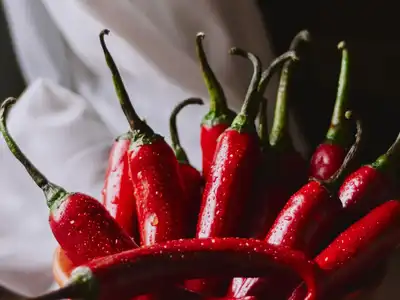
Can You Freeze Fresh Chillies and Chili Peppers?
Yes, fresh chillies and chili peppers freeze very well without blanching. Wash and dry them, remove stems if convenient, then freeze whole, sliced, or chopped in recipe-size portions. They soften after thawing, so use them directly from frozen in sauces, curries, soups, and cooked dishes. University of Nebraska-Lincoln Extension puts frozen peppers at about 8 months for best quality, though a well-sealed bag stays safe well beyond that.
Sources & References
This information is based on official guidelines from trusted food safety authorities:
Freezing Fresh Herbs
View Source →Freezing Herbs
View Source →Foods That Do Not Freeze Well
View Source →
About the Author

Disclaimer
The information on this website is provided for general informational purposes only. While we work to keep our food storage and freezing guides accurate and current, we are not food safety professionals, nutritionists, or medical experts, and our recommendations may not account for every individual circumstance, product type, or storage condition.
Always consult official food safety guidance (such as your national food safety agency) and use your own judgment before consuming stored or frozen food. CanIFreeze.com assumes no responsibility or liability for any loss, damage, illness, or other adverse outcome resulting from reliance on the information provided on this site.
CanIFreeze.com is a participant in the Amazon Associates Program, an affiliate advertising program designed to provide a means for sites to earn advertising fees by linking to Amazon.com and its affiliated sites. As an Amazon Associate we earn from qualifying purchases made through links on this site, at no extra cost to you. Product links are clearly marked where they appear.
Disclaimer date: