Complete archive
All Freezing Guides: Page 3
Browse all 130 research-backed guides, newest first. Showing 49–72.
Can You Freeze Salad Dressing?
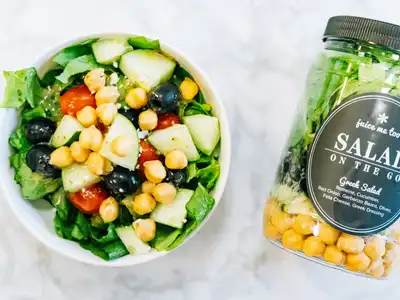
You can freeze some salad dressings, but most creamy, mayonnaise-based and emulsified dressings separate after thawing and are not worth freezing. A simple vinaigrette is usually better refrigerated because oil can cloud or firm when cold, then return to normal after warming and shaking. If you freeze a homemade dressing, use a small freezer-safe container, leave expansion space and expect to whisk or blend it after a refrigerator thaw.
Can You Freeze Bread Dough?
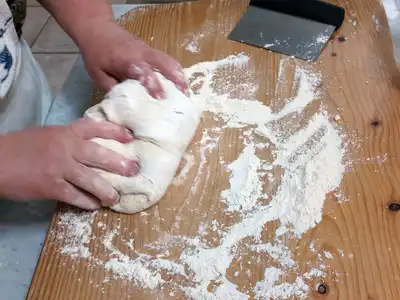
Yes, you can freeze yeast bread dough, but home-frozen dough may rise less than fresh dough because slow freezing damages yeast and weakens gluten. For the most predictable result, use a freezer-dough recipe, freeze shaped portions after the first rise, seal them well, and use them within 1 month.
Can You Freeze Sugar?
Dry granulated sugar can be kept in a freezer, but there is no practical benefit and moisture can make it hard and lumpy. Store white sugar in an airtight, moisture-proof container in a cool, dry, odour-free cupboard instead. Brown sugar also does better sealed at room temperature, where its natural moisture can be protected without condensation from freezing and thawing.
Can You Freeze Mozzarella Cheese?
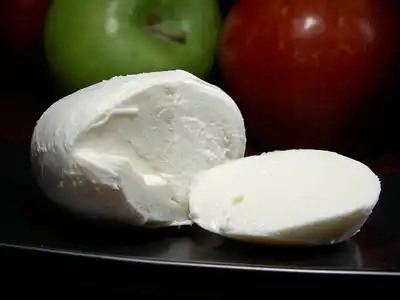
Yes, you can freeze mozzarella cheese. Low-moisture blocks and shreds freeze better than fresh mozzarella packed in liquid. Expect fresh mozzarella to release water and become softer or more crumbly after thawing, so reserve it for pizza, pasta bakes, sauces, and other cooked dishes rather than a caprese salad.

Can You Freeze Rum?
You can put rum in the freezer, but most standard 40% ABV rum will become very cold and syrupy rather than freeze solid in a normal home freezer. Lower-alcohol rum liqueurs and pre-mixed rum drinks contain more water and may turn slushy or freeze. Freezing is unnecessary for preservation, and a tightly closed bottle kept upright in a cool, dark cupboard is usually the better choice.
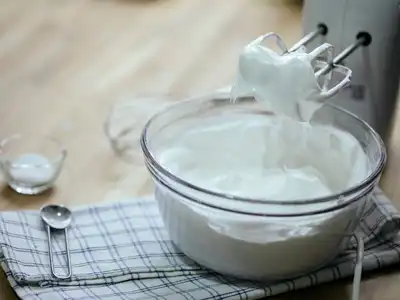
Can You Freeze Heavy Cream?
Yes, you can freeze heavy cream, but check the fat percentage: North Dakota State University recommends cream with at least 40% milkfat for the best freezing result, while some products labeled heavy cream in the US contain only 36%. Lower-fat cream and half-and-half may separate more severely. Leave room for expansion, thaw in the refrigerator, and shake or whisk before using in cooking or baking. Previously frozen cream may not whip to its original volume, so freeze whipped dollops if that is your intended use.

Can You Freeze Grapes?
Yes, you can freeze grapes. Wash and dry them, remove the stems, tray-freeze until solid, and then package airtight. Seedless table grapes can be frozen whole; halve seeded grapes and remove the seeds first. Frozen grapes work especially well as an adult snack or drink chiller, while fully thawed grapes become soft and are better for smoothies, purée, juice, or cooking. Frozen grapes are a choking hazard and should not be served to young children.
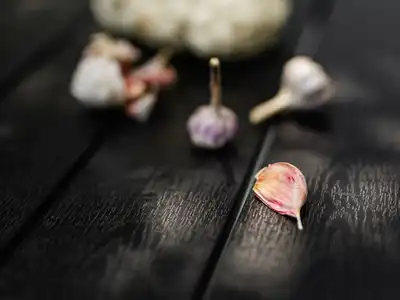
Can You Freeze Garlic?
Yes, you can freeze garlic unpeeled, chopped, or puréed with oil. Wrap it airtight to contain its odor and use it mainly in cooked dishes because freezing softens the cloves and can make garlic taste stronger or slightly bitter. Garlic-in-oil requires special care: refrigerate it at 40°F (4°C) or below and use it within 4 days, or freeze it immediately. Never store untreated garlic-in-oil at room temperature because botulinum toxin can form without visible signs of spoilage.

Can You Freeze Blueberries?
Yes, you can freeze blueberries, and the counterintuitive part is that you shouldn't wash them first. The National Center for Home Food Preservation is specific that washing before freezing toughens the skin, so pick over the berries for stems and soft ones, skip the rinse, and freeze them dry. Spread them in a single layer on a tray until solid, then bag them, and they'll hold good quality for about 8 to 10 months in the US (closer to 3 months under UK guidance). Wash them after they've thawed, or straight out of the freezer if you're eating them frozen, not before they go in.
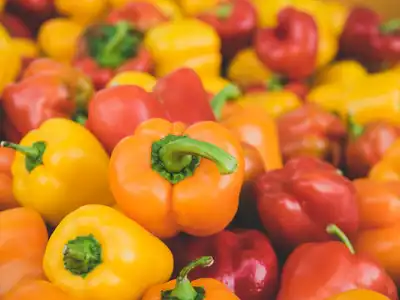
Can You Freeze Bell Peppers?
Yes, you can freeze bell peppers without blanching. Wash, core, seed, and cut them, then pack them raw or tray-freeze the pieces first so they stay loose. The National Center for Home Food Preservation recommends raw-packed peppers for cooked or uncooked uses and gives a separate blanched method for cooked dishes. Expect a softer texture after freezing, so peppers work best in fajitas, stir-fries, soups, and stews rather than salads. For best quality, use them within about 8 to 12 months at 0°F (-18°C).
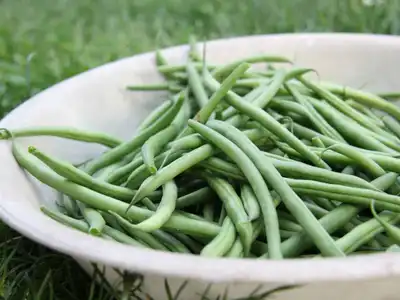
Can You Freeze Green Beans?
Yes, you can freeze green beans, and blanching first is what makes them worth eating later. The National Center for Home Food Preservation recommends a 3-minute boiling water blanch before freezing, which holds good color, flavor, and texture for about 8-12 months. Skip the blanch and the beans are still perfectly safe to eat, since freezing halts bacterial growth either way, but they fade and toughen noticeably faster because green beans aren't one of the vegetables that gets a pass on blanching. Either way, frozen green beans lose their raw snap and are best treated as a cooked-dish ingredient from here on, not a raw side or dip.
Can You Freeze Onions?
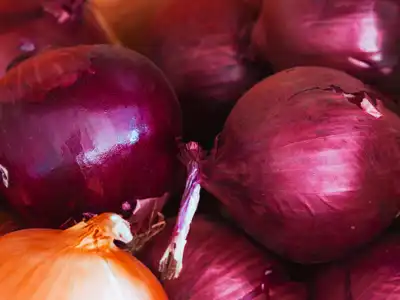
Yes, you can freeze onions, and chopped or sliced onions don't even need blanching first: just peel, cut, and pack. Whole bulb onions are a different story - they need a 3 to 7 minute water blanch depending on size before they go in the freezer. Either way, freezing changes onion permanently: the National Center for Home Food Preservation lists onion among the foods that change flavor when frozen, and the texture turns soft, so frozen onion is strictly for cooked dishes, not raw salsa or salad. Michigan State University Extension found that onions hold their best flavor for about 3 to 6 months at 0degF, after which they start tasting flat, so it's worth freezing only what you'll realistically use.
Can You Freeze Ground Beef?
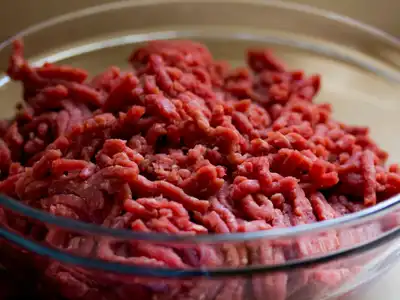
Yes, ground beef freezes well, raw or cooked. Raw ground beef holds best quality for about 4 months in the freezer (safe indefinitely at 0°F/-18°C), while cooked ground beef is best used within 2-3 months. Because grinding mixes any surface bacteria throughout the meat, ground beef needs quicker handling than a whole roast or steak: refrigerate raw ground beef only 1-2 days before cooking or freezing it, and always cook it to 160°F (71°C), checked with a thermometer rather than by color. Freezing it flat in a bag, not as a solid lump, is the single biggest upgrade you can make - it freezes faster, thaws in hours instead of a full day, and takes up a fraction of the space.
Can You Freeze Chicken?
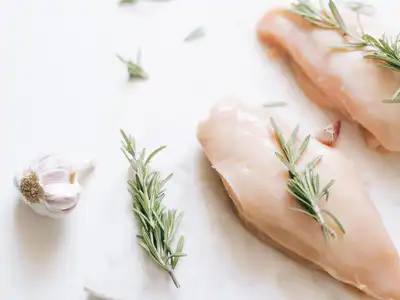
Yes, chicken freezes exceptionally well, whether it's raw or cooked, whole or in parts. A whole raw chicken holds good quality for up to a year at 0°F (-18°C), raw parts and pieces for about 9 months, and raw ground chicken for 3 to 4 months. Cooked chicken keeps for about 4 months, or up to 6 months if it's sitting in broth or gravy. Chicken is also one of the few foods where the USDA says freezing indefinitely never makes it unsafe - only less appetizing over time - as long as it stayed at 0°F the whole way through and was safe when it went in.
Can You Freeze Strawberries?
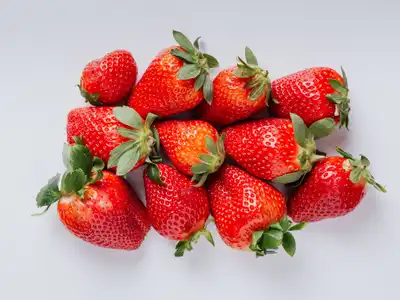
Yes, you can freeze strawberries, and it's one of the most forgiving fruits to preserve this way - but which prep method you use matters more than most guides let on. Wash, hull, and either flash-freeze them whole on a tray, slice or crush them with a bit of sugar, or pack them in a cold sugar syrup, depending on what you'll use them for later. University extension testing shows properly packed strawberries hold good quality for 8-12 months at 0°F (-18°C), though frozen strawberries turn soft and a little watery once fully thawed, so they're really a cooked-and-blended fruit from that point on, not a fresh-eating one.
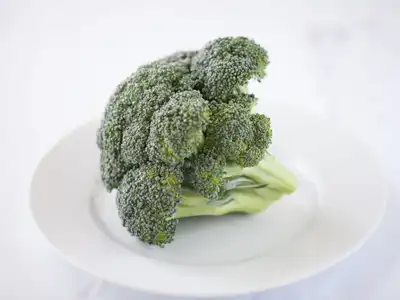
Can You Freeze Broccoli?
Yes, you can freeze broccoli, and it holds up better in the freezer than most vegetables - but only if you blanch it first. A quick dip in boiling water (or steam) stops the enzyme activity that would otherwise turn frozen broccoli dull, bitter, and mushy within a couple of months. Properly blanched and packed, broccoli keeps good color, flavor, and texture for 10-12 months at 0°F (-18°C). Skip the blanching and you're looking at a freezer-safe but fast-fading product best used within about a month.
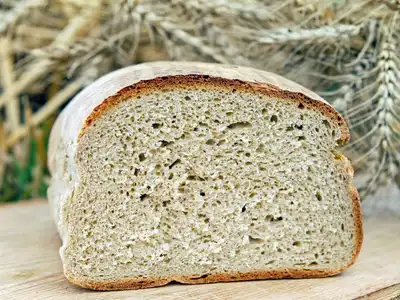
Can You Freeze Bread?
Yes, bread is one of the best foods you can freeze - in fact, freezing is the single best way to store bread beyond a day or two, better than the counter and much better than the fridge. Wrapped well and frozen at 0°F (-18°C), a loaf holds its texture and flavor for 3-5 months, and slices go straight from freezer to toaster with no real quality hit. The one thing freezing can't fix is bread that's already stale or moldy going in, so freeze it while it's fresh, not as a last resort.
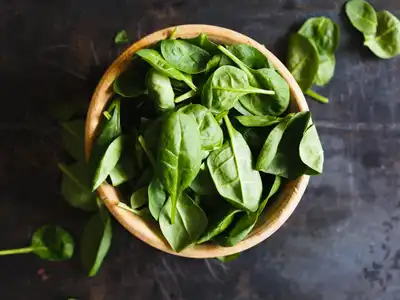
Can You Freeze Spinach?
Yes, you can freeze spinach, and it's one of the easiest greens to put up for later. Blanch it for 2 minutes first and it holds its color, flavor, and texture for 8-12 months in the freezer. Skip the blanching and it's still perfectly safe to freeze, but plan to use it within a month or two before freezer burn and browning creep in. Either way, frozen spinach is a cooked-dish ingredient from here on out - the leaves collapse into a soft, dark mass the moment they thaw, which is exactly what you want in soup or a smoothie and exactly what you don't want in a salad.
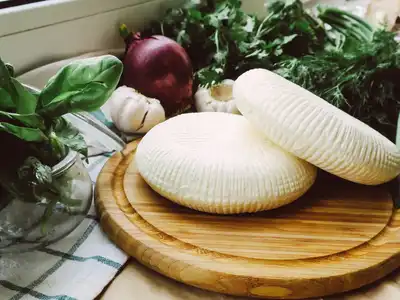
Can You Freeze Ricotta Cheese?
Yes, you can freeze ricotta cheese for about 2 months, though it's a texture trade-off rather than a clean win. Ricotta is roughly 74% water, and freezing that much water inevitably leaves it grainy and watery once thawed - fine for stirring into a cooked dish, disappointing in a dish where ricotta's fresh, creamy texture is the whole point. Full-fat ricotta holds up a bit better than part-skim, and a good stir after thawing goes a long way toward fixing the texture.

Can You Freeze Pesto?
Yes, pesto freezes exceptionally well - genuinely one of the best foods to freeze on this whole site, which is why the ice-cube-tray method is such a well-known trick. Portioned into cubes and topped with a thin layer of olive oil to block oxygen, fresh basil pesto holds its bright green color and flavor for about 6 months, with best quality in the first 3. The oil layer isn't optional decoration - it's the single step that keeps pesto from turning brown and bitter in the freezer.
Can You Freeze Coconut Milk?
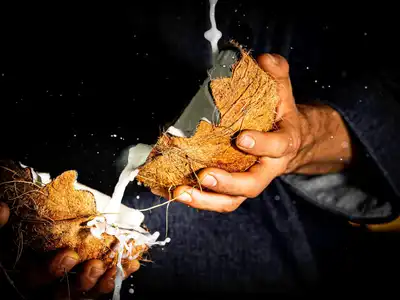
Yes, coconut milk freezes well - it's one of the more freezer-friendly liquids on this site, and freezing leftover canned coconut milk in an ice cube tray is a genuinely popular, effective trick. Expect it to separate into a firmer, whiter layer and a more watery layer as it freezes and thaws; this is completely normal and disappears once you blend it for about 30 seconds after thawing. Opened, it holds well for about 2 months in the freezer and 4-6 days in the fridge.
Can You Freeze Cooked Quinoa?
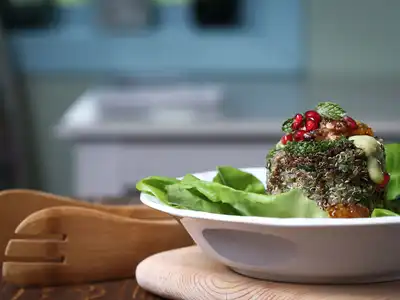
Yes, cooked quinoa freezes well - similar to rice, and arguably a bit more forgiving. Cooled, dried, and packed properly, it holds good texture for about 6 months in the freezer, and 4-5 days in the fridge. The key step is letting it cool and dry out slightly before freezing, ideally spread on a tray rather than sealed up warm - skip that, and you'll end up with clumped, soggy quinoa instead of fluffy, separate grains.
Can You Freeze Oat Milk?
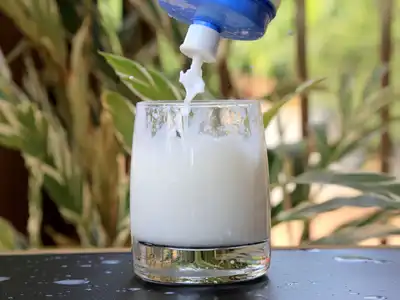
Yes, you can freeze oat milk, but it's more of a backup plan than a habit worth building. Freezing tends to leave it grainy or slightly slimy once thawed, since freezing disrupts both the added emulsifiers and the oats' natural beta-glucan (a soluble fiber that behaves a bit like a thickener) that keep it smooth. It's perfectly safe to drink, just not as pleasant straight from a glass - plan on cooking, baking, or coffee rather than sipping it plain, and give it a good shake or blend before using.
Can You Freeze Leftover Pizza?
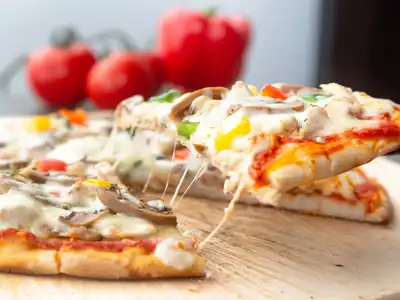
Yes, leftover pizza freezes very well - arguably better than most other leftovers on this site. Wrapped tightly slice by slice, it holds good quality for about 1-2 months in the freezer, and about 3-4 days in the fridge. The trick is wrapping each slice individually before bagging, and reheating in the oven rather than the microwave - a hot oven re-crisps the crust, while a microwave leaves it soft and a little sad.