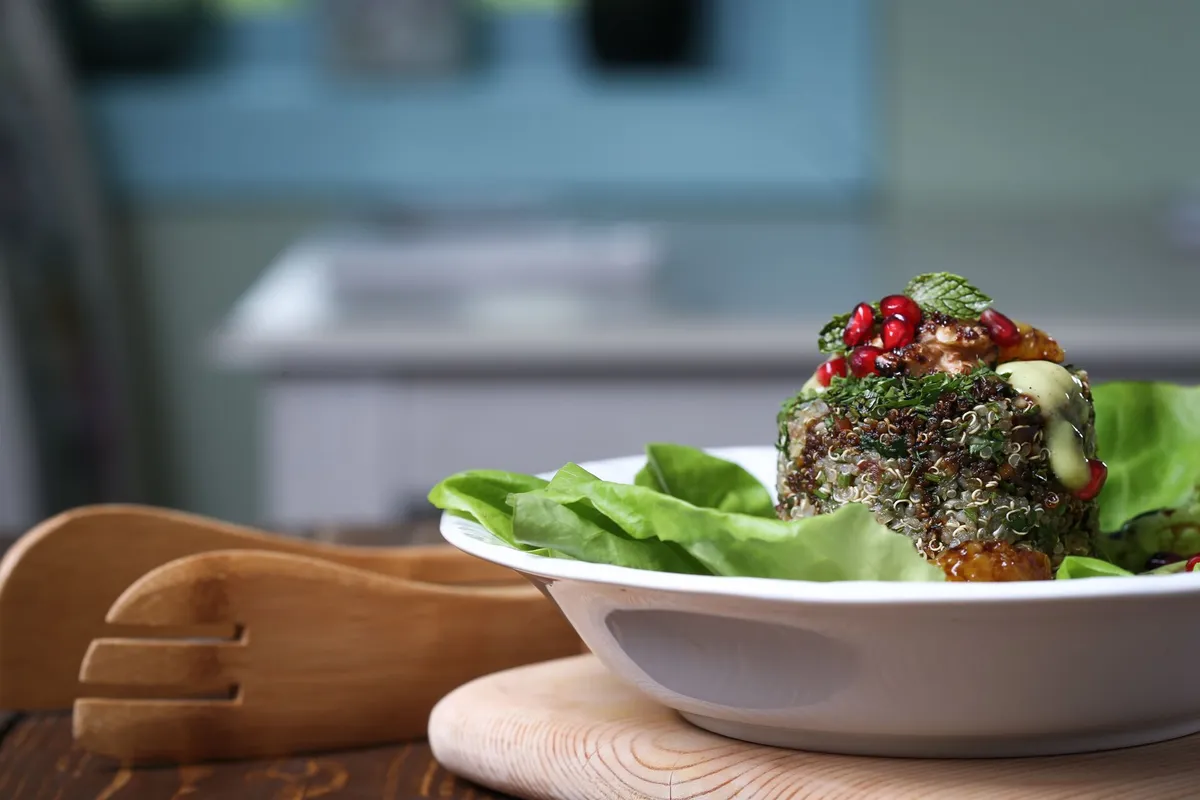
Official Storage Guidelines for Cooked Quinoa
🇺🇸 USDA Guidelines
🇬🇧 FSA Guidelines
Disclaimer: This information is provided for general guidance only. It is based on publicly available USDA and FSA recommendations at the time of publication. Storage times may vary depending on handling, packaging, and storage conditions. Always check official sources and use your best judgment to ensure food safety.
This guide contains Amazon affiliate links, marked ↗. If you buy through one, we may earn a commission at no extra cost to you. Learn more about affiliate links.
Frequently Asked Questions
Can you cook with quinoa directly from frozen?
Yes, and there's usually no need to thaw it first. Add frozen quinoa straight into soups, stews, or stir-fries during the last few minutes of cooking, where it heats through quickly since the grains are already small and were already fully cooked before freezing.
For a quick side dish, frozen quinoa can go straight into a pan with a splash of water or broth over medium heat, covered, until it's heated through and any clumps have loosened - about 5-7 minutes for a single portion.
Microwaving works well too: place the frozen quinoa in a covered, microwave-safe dish with a tablespoon or two of water, and heat in 1-2 minute bursts on 50-70% power, fluffing with a fork between bursts.
If you're using it cold, in a quinoa salad for example, thaw it in the refrigerator first rather than reheating it, so you're not warming a dish meant to be served cool.
Can cooked quinoa be refrozen after it's thawed?
Yes, as long as it was thawed in the refrigerator and kept at 40°F (4°C) or below the entire time - refreezing cooked grains is generally safe under those conditions, though quinoa will get progressively softer and more prone to clumping with each additional cycle.
Don't refreeze quinoa that was thawed on the counter, in the microwave without immediately using it, or that sat above 40°F (4°C) for more than 2 hours (1 hour above 90°F/32°C).
If you've thawed more than you need, folding it into a finished dish - a grain bowl, a baked casserole, a stuffed pepper filling - and freezing that tends to hold up better than refreezing the plain grains a second time.
Quinoa that was flash-frozen in a thin layer before bagging (rather than frozen as one solid block) tends to tolerate a second freeze slightly better, since the grains were never as tightly packed together to begin with.
Does quinoa freeze well?
Yes, quite well - similar to rice, and in some ways a bit more forgiving because quinoa's grains are smaller and its natural coating (saponin, mostly rinsed off before cooking) gives it slightly different starch behavior than rice has. Properly cooled, dried, and packed, cooked quinoa holds good texture for about 6 months in the freezer.
The step that matters most is cooling and drying it before packaging. Quinoa cooked with the right water ratio should already be fairly dry and fluffy rather than wet, but spreading it on a tray to cool completely - rather than sealing it into a container while still warm - lets residual surface moisture evaporate instead of turning into ice crystals inside the packaging. Skip this step and you'll end up with clumped, sometimes soggy quinoa once thawed.
Flash-freezing in a thin layer on a sheet pan before transferring to a bag keeps the grains from fusing into one solid block, which matters if you want to portion out just a cup or two at a time rather than defrosting an entire batch.
Freezing has minimal effect on quinoa's nutrition - it's a complete protein among grains, and that protein content, along with its fiber and minerals, holds up well through freezing and reheating.
Best containers to freeze cooked quinoa
Start with a sheet pan(affiliate link, opens Amazon): spread cooled quinoa in a thin, even layer and freeze uncovered for an hour or two until the grains are firm, then transfer to a freezer bag or airtight container. This flash-freeze step is what keeps the grains loose and separate instead of clumping into one dense block.
Once flash-frozen, a heavy-duty freezer bag with the air pressed out is the most space-efficient way to store it - you can scoop out just what you need since the grains won't be stuck together.
Rigid, airtight containers work fine too, especially if you're portioning quinoa into meal-sized amounts for grab-and-go lunches or meal prep.
Whatever you use, make sure the quinoa is fully cooled first - packaging it warm traps steam that becomes ice crystals and leads to soggier texture once thawed.
Best uses for quinoa after it's been frozen
Thawed quinoa works well in grain bowls with roasted vegetables and a dressing, stirred into soups or stews for extra body, or mixed with cooked lentils and vegetables for a protein-rich side dish.
It's also a good binder or bulking ingredient in veggie burgers, stuffed peppers, or a baked casserole, where any minor texture change from freezing disappears once everything is baked together.
For breakfast, thawed quinoa reheated with milk (dairy or plant-based), cinnamon, and fruit makes a quick hot cereal, similar to oatmeal but with more protein.
For a cold quinoa salad specifically, thaw fully in the refrigerator and fluff with a fork before adding fresh vegetables and dressing - freshly cooked quinoa will always have a slight edge in bite for a salad, but thawed quinoa holds up reasonably well if you're short on time.
How is freezing quinoa different from freezing rice?
They're similar enough that the same core method (cool, dry, flash-freeze, bag) works for both, and both hold good quality for several months frozen. The main practical difference is size and starch structure: quinoa's grains are much smaller than rice grains and have a slightly different starch composition, which tends to make quinoa marginally less prone to the hard, dry texture that plain white rice can develop after freezing.
Quinoa's outer coating (saponin, a bitter, soap-like compound almost always rinsed off before cooking) doesn't play a meaningful role in freezing behavior once cooked - by the time quinoa is cooked and ready to freeze, that coating is long gone.
Both grains benefit from the same flash-freeze-on-a-tray trick to prevent clumping, and both reheat well directly from frozen without needing to thaw first. If you're meal-prepping a mix of grains at once, there's no need to treat quinoa and rice any differently in terms of packaging or freezer placement.
One small edge quinoa has: because it's naturally higher in protein and fiber than white rice, dishes made with frozen-and-reheated quinoa tend to hold their texture and stay satisfying slightly better than the equivalent rice dish would after the same freezer stay.
Cooked Quinoa Freezing and Storage Guide
Can you freeze cooked quinoa? Yes - it freezes reliably well, holding good texture for about 6 months in the freezer when it’s cooled, dried, and packed properly, with about 4-5 days as its window in the fridge.
The Step That Actually Matters: Cooling and Drying
Quinoa cooked with the right water ratio should already come out fairly dry and fluffy rather than wet. Even so, spreading it on a tray to cool completely - rather than sealing it into a container while it’s still warm - lets any residual surface moisture evaporate instead of turning into ice crystals inside the packaging. Skip this step and you’ll end up with clumped, sometimes soggy quinoa by the time you thaw it.
How to Freeze Cooked Quinoa
- Cool it fully, ideally spread thin on a tray rather than left in a covered pot.
- Flash-freeze in a thin layer on a sheet pan(affiliate link, opens Amazon) for an hour or two until the grains are firm - this keeps them loose instead of fusing into one block.
- Transfer to a freezer bag or airtight container, pressing out as much air as possible.
- Label with the date, and freeze at 0°F (-18°C) or below.
How Long Frozen Quinoa Actually Lasts
At a steady 0°F (-18°C), quinoa is safe indefinitely - freezing halts bacterial growth completely. The 6-month window is about quality: freezing has minimal effect on quinoa’s nutrition, and its protein, fiber, and mineral content hold up well through both freezing and reheating.
Cooking Quinoa From Frozen
No need to thaw first for most hot dishes. Add it straight into soups, stews, or stir-fries during the last few minutes of cooking. In a pan, a splash of water or broth over medium heat, covered, for 5-7 minutes loosens and heats a single portion through. In the microwave, a covered dish with a tablespoon or two of water, heated in 1-2 minute bursts at 50-70% power and fluffed between bursts, works well too. For a cold quinoa salad, thaw in the refrigerator first instead.
Quinoa vs. Rice in the Freezer
The same core method works for both, and both hold up well for several months frozen. Quinoa’s smaller grains and slightly different starch structure make it marginally less prone to the hard, dry texture plain rice can develop after freezing, and its higher protein and fiber content help dishes made with thawed quinoa stay satisfying a bit longer than the rice equivalent.
Best Uses for Frozen Quinoa
Grain bowls with roasted vegetables and a dressing, stirred into soups for extra body, or mixed with cooked lentils for a protein-rich side. It also works as a binder in veggie burgers or stuffed peppers, or reheated with milk and cinnamon as a quick hot cereal.
Common Mistakes to Avoid
The most common mistake is sealing quinoa into a container while it’s still warm, trapping steam that turns to ice and leaves it soggy later. The second is freezing a solid, un-flash-frozen block that clumps together, forcing a full thaw just to grab a small portion. The third is expecting frozen-and-thawed quinoa to taste as fresh in a cold salad as freshly cooked quinoa would - it holds up reasonably well, but a fresh batch will always have a slight edge in bite for that specific use.
Editor's Picks
Gear Worth Buying for Cooked Quinoa
Nordic Ware Natural Aluminum Half Sheet Pan
Spread cooled quinoa in a thin layer to flash-freeze before bagging, so the grains stay separate instead of clumping into one block.
Shop on AmazonStasher Stand-Up Mid Reusable Silicone Bag (56 oz)
A premium, reusable stand-in for disposable freezer bags - freezer, oven, and dishwasher safe.
Shop on AmazonRubbermaid Brilliance Airtight Food Storage Containers, 24-Piece Set
A complete, leak-proof set that covers nearly any portion size this guide calls for.
Shop on Amazon
As an Amazon Associate, we earn from qualifying purchases.
Important Safety Guidelines
- Cool cooked quinoa within 2 hours of cooking (1 hour if the room is above 90°F/32°C); don't let a full pot sit out to cool on the counter.
- Spread cooked quinoa in a thin layer on a tray or baking sheet to cool and let excess surface moisture evaporate before packaging - sealing it up while still warm traps steam that turns into ice crystals and leaves quinoa soggy or freezer-burned.
- Refrigerate at or below 40°F (4°C) in an airtight container and use within 4-5 days.
- Freeze at 0°F (-18°C) or below; flash-freezing in a thin layer on a tray before bagging keeps the grains separate rather than freezing into one solid clump.
- Package tightly with as much air removed as possible to limit freezer burn, which shows up as dry, discolored patches on exposed grains.
- Reheat quinoa to steaming hot (165°F/74°C) if serving it warm; if using it cold in a salad, thaw in the refrigerator and keep it cold throughout rather than leaving it at room temperature.
- Refreezing is safe only if the quinoa was thawed in the refrigerator and kept at 40°F (4°C) or below the entire time.
- Never leave cooked quinoa at room temperature for more than 2 hours (1 hour above 90°F/32°C) before refrigerating or freezing it.
- Label with the date; quinoa stays safe indefinitely at 0°F (-18°C), but texture and flavor decline is what actually limits how long it's worth keeping.
Key Safety Reminders
- Always label containers with freezing date
- Use airtight containers to prevent freezer burn
- Follow proper thawing procedures
You Might Also Like
Can You Freeze Cooked Lentils?
Yes, cooked lentils freeze exceptionally well - better than most legumes and grains on this site. Drained and packed properly, they hold good texture for about 6 months in the freezer, and about 5-7 days in the fridge (though 3-4 days is the safer target for best quality). The one trick that actually matters: drain lentils well before freezing, since any extra cooking liquid keeps soaking in during storage and turns them mushy and waterlogged by the time you thaw them.
Can You Freeze Flour?
Yes, flour can be frozen, and the freezer is especially useful for whole-wheat, nut, and other high-fat flours that turn rancid faster, as well as for killing any pantry-pest eggs hiding in a fresh bag. Seal flour against moisture and odors, freeze it in practical portions, and let the closed package return to room temperature before opening. Freezing does not make raw flour safe to eat; baking or cooking remains the kill step.
Can You Freeze Hummus?
Yes, you can freeze hummus. Portion it into airtight containers, leave headspace, and freeze at 0°F / -18°C. Thaw in the fridge (40°F / 4°C), stir to re-emulsify, and use promptly. Hummus freezing is an easy way to batch-cook, control portions, and cut waste while staying food-safe.

Can You Freeze Oats?
Yes, you can freeze oats, although dry oats rarely need it because they already store well in a cool, dry pantry. Cooked oatmeal, baked oatmeal, and overnight oats can be portioned and frozen for about 3 months. Expect thawed oatmeal to be thicker and softer, then restore it with a splash of milk or water while reheating.
Sources & References
This information is based on official guidelines from trusted food safety authorities:
Freezing and Food Safety
View Source →Leftovers and Food Safety
View Source →Freezing Rice and Pasta - UNL Food
View Source →How to chill, freeze and defrost food safely
View Source →
About the Author

Disclaimer
The information on this website is provided for general informational purposes only. While we work to keep our food storage and freezing guides accurate and current, we are not food safety professionals, nutritionists, or medical experts, and our recommendations may not account for every individual circumstance, product type, or storage condition.
Always consult official food safety guidance (such as your national food safety agency) and use your own judgment before consuming stored or frozen food. CanIFreeze.com assumes no responsibility or liability for any loss, damage, illness, or other adverse outcome resulting from reliance on the information provided on this site.
CanIFreeze.com is a participant in the Amazon Associates Program, an affiliate advertising program designed to provide a means for sites to earn advertising fees by linking to Amazon.com and its affiliated sites. As an Amazon Associate we earn from qualifying purchases made through links on this site, at no extra cost to you. Product links are clearly marked where they appear.
Disclaimer date: