Complete archive
All Freezing Guides: Page 4
Browse all 130 research-backed guides, newest first. Showing 73–96.

Can You Freeze Cooked Lentils?
Yes, cooked lentils freeze exceptionally well - better than most legumes and grains on this site. Drained and packed properly, they hold good texture for about 6 months in the freezer, and about 5-7 days in the fridge (though 3-4 days is the safer target for best quality). The one trick that actually matters: drain lentils well before freezing, since any extra cooking liquid keeps soaking in during storage and turns them mushy and waterlogged by the time you thaw them.

Can You Freeze Taco Meat?
Yes, cooked taco meat freezes very well. Whether it's seasoned ground beef, turkey, or chicken, USDA guidance for cooked ground meat applies: about 3-4 days in the fridge and 2-3 months in the freezer for best quality. Drain excess grease before freezing, cool it quickly, and pack it flat in a freezer bag or airtight container. The one thing to skip: don't freeze the fixings (lettuce, tomato, sour cream, cheese) along with the meat - freeze the meat alone and add fresh toppings after reheating.

Can You Freeze Bean Sprouts?
Yes, you can freeze bean sprouts, but blanch them briefly first (they turn very watery and limp otherwise) and use them within 2-3 months for cooked dishes only - freezing doesn't bring back their crunch. More importantly: bean sprouts are one of the higher food-safety-risk vegetables you can buy, raw or frozen, because the warm, humid conditions that make seeds sprout also let bacteria like Salmonella and E. coli grow. Freezing pauses that bacterial growth but does not kill it - a July 2025 CDC/FDA investigation into Salmonella-contaminated frozen sprouted beans is a real, recent reminder of exactly that.
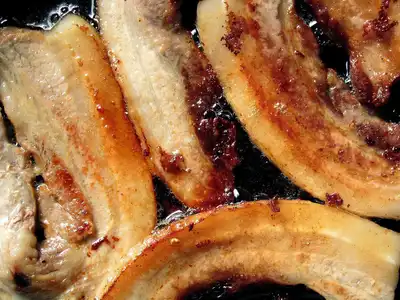
Can You Freeze Bacon?
Yes, you can freeze bacon, both raw and cooked. Raw bacon holds best quality for about 1 month in the freezer (some producers say up to 4 months), while cooked bacon is good for about 1 month as well. That's a shorter window than most raw meats get, and it's not about bacteria - it's the high fat content slowly turning rancid, a chemical process freezing only slows, not stops. Bacon stays safe indefinitely at 0°F (-18°C); quality is what actually declines.
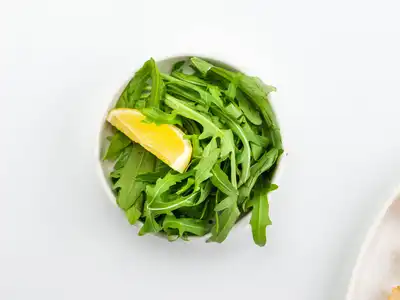
Can You Freeze Arugula?
Yes, you can freeze arugula (also called rocket in the UK, Ireland, Australia, and much of Europe - same plant, different name), but only for cooked uses. Blanch the leaves briefly, dry them well, and freeze for about 6-8 months of good quality in soups, sautés, and pasta dishes. Raw arugula wilts into a soggy, limp mess when frozen and thawed, so it's never coming back for salads. If you'd rather skip that texture loss altogether, blending arugula into pesto before freezing gives a noticeably better result than freezing the whole leaves.
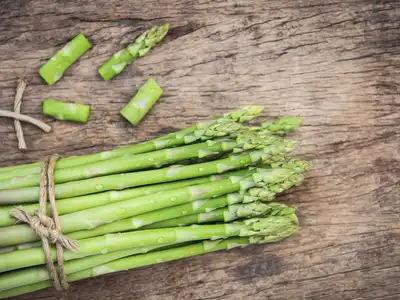
Can You Freeze Asparagus?
Yes, you can freeze asparagus, but blanching first makes a real difference. Blanched and frozen properly, asparagus holds good quality for 8-12 months and works well in soups, stir-fries, and roasted side dishes. Skip the blanch and it'll still be safe to eat, but it fades in color and flavor within a month or two and turns noticeably tougher. Either way, frozen asparagus loses its raw crunch, so it's a cooked-dish ingredient from here on, not a salad or crudité one.
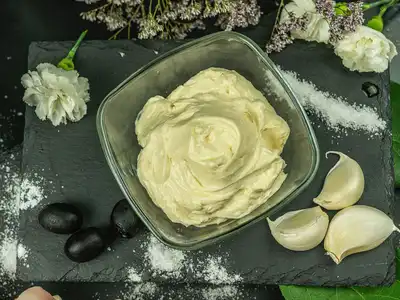
Can You Freeze Mayonnaise?
No - freezing mayonnaise is not recommended, and this is one of the few genuinely firm "don't" answers on this site. Mayonnaise is an emulsion (oil droplets suspended in an egg-and-vinegar water phase); freezing ruptures that structure permanently, and thawed mayonnaise separates into a watery, curdled, oily mess that no amount of stirring or blending will fix. Store-bought mayonnaise keeps about 2 months in the fridge once opened, which is normally plenty of time to use it up without ever needing the freezer.
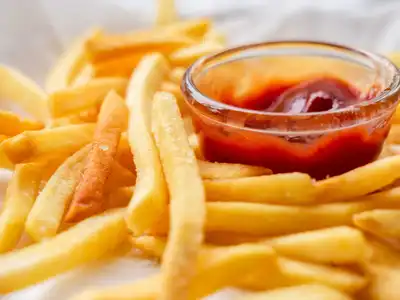
Can You Freeze Ketchup?
Yes, you can freeze ketchup, but you'll rarely need to. Commercial ketchup is shelf-stable and keeps about a year unopened in the pantry, then around 6 months in the fridge once opened - freezing doesn't extend safety, and the high sugar and vinegar content means it never freezes fully solid, instead turning slushy and separating into a watery layer on top of thicker tomato solids. It's safe to freeze and easy to stir back together, just not very useful for a condiment that already lasts a long time on the shelf.

Can You Freeze Sushi?
Mostly no - assembled sushi (rice, nori, raw fish, vegetables) freezes badly: the rice turns hard and gritty, the nori goes soggy, and raw fish gets mushy. But the raw fish itself is a different story - the FDA actually requires "sushi-grade" fish to be frozen before it's served raw, specifically to kill parasites. Cooked-ingredient rolls (tempura, imitation crab, cooked shrimp) freeze a bit better than raw-fish rolls, though quality still suffers compared to fresh.
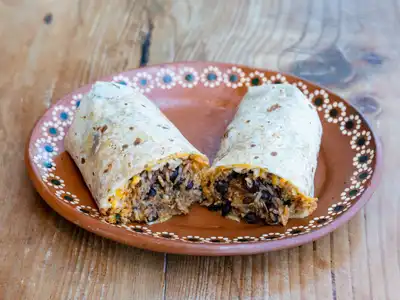
Can You Freeze Chipotle Burritos?
Yes, a leftover Chipotle-style burrito freezes reasonably well once you strip out the fresh, watery ingredients first. The rice, beans, meat, cheese and tortilla hold up fine at 0°F / −18°C for a few months; lettuce, fresh salsa, sour cream and guacamole don't, and are better removed before freezing and added back fresh after reheating.

Can You Freeze Ice Cubes?
Yes - ice cubes are just water that's already frozen, so "freezing" is the whole point. The real question is how long it takes: a standard tray freezes solid in about 3-4 hours in a home freezer at 0°F/-18°C, faster with smaller cubes, metal trays, or a colder setting. Once frozen, ice keeps safe indefinitely, but for the best taste, use homemade ice within about 1-2 months and keep trays and ice-maker bins clean.

Can You Freeze Starbucks Frappuccino?
You can put a Frappuccino in the freezer, but it's honestly not a great idea. A blended milk-and-ice drink separates into a grainy, icy slush once frozen and thawed, and any whipped cream on top won't survive at all. A smarter move is freezing the coffee itself (brewed coffee or cold brew as cubes) rather than the finished, already-blended drink.

Can You Freeze Chick-fil-A Nuggets?
Yes, you can freeze leftover Chick-fil-A nuggets. Chill them quickly, freeze in a single layer so they don't clump, then reheat in an oven or air fryer rather than a microwave to keep the breading from going soggy. Chick-fil-A doesn't publish its own freezing guidance, so this follows general USDA rules for cooked, breaded chicken.
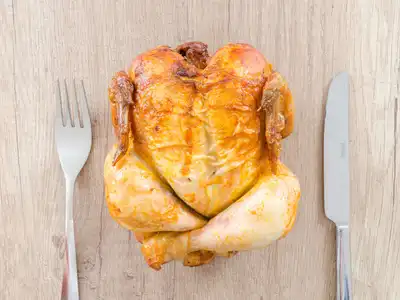
Can You Freeze Costco Rotisserie Chicken?
Yes, you can freeze a Costco rotisserie chicken. Let it cool, then carve the meat off the bone before freezing - it holds texture far better than freezing the bird whole. Wrap tightly and freeze at 0°F / −18°C; treat it like any cooked chicken, since Costco does not publish its own freezing instructions.
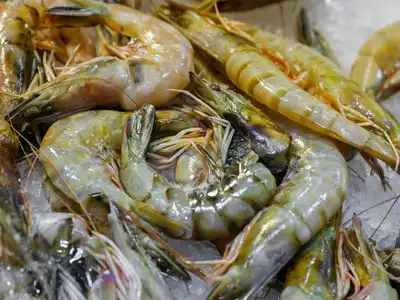
Can You Freeze Shrimp?
Yes - shrimp freezes very well, raw or cooked. Freeze at 0°F (-18°C) in an airtight container or vacuum-sealed bag; raw shrimp holds good quality for about 6 months, cooked shrimp for about 3 months. One catch: most "fresh" shrimp at the grocery store was already previously frozen, so freezing it at home is usually its second cycle, not its first.
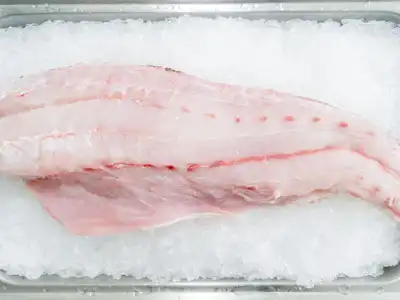
Can You Freeze Cod?
Yes - cod freezes well when handled right. Wrap fillets tightly (or vacuum-seal) to protect against freezer burn, freeze at 0°F (-18°C), and use within about 6-8 months for best texture. Raw fresh cod only lasts 1-2 days in the fridge, so freezing promptly is often the better move. Thaw in the refrigerator, never at room temperature.
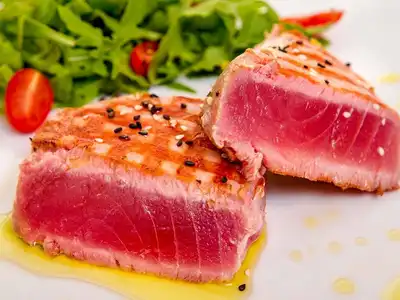
Can You Freeze Tuna?
Yes - fresh tuna freezes well. Wrap steaks or fillets tightly (or vacuum-seal), freeze at 0°F (-18°C) or below, and use within about 2-3 months for best quality. In the fridge, keep raw tuna at or below 40°F (4°C) and use within 1-3 days. Tuna carries a specific risk that freezing does not fix: histamine (scombroid poisoning) forms if the fish is temperature-abused before you get it, and neither freezing nor cooking destroys it once it's there.
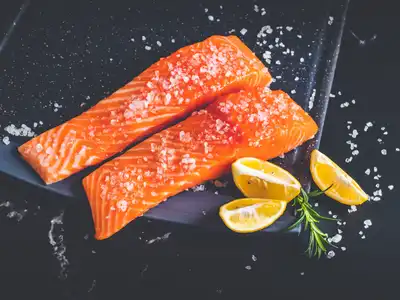
Can You Freeze Salmon?
Yes - fresh salmon freezes very well. Wrap raw fillets or steaks tightly (or vacuum-seal), freeze at 0°F (-18°C) or below, and use within about 2-3 months for best quality. In the fridge, keep raw salmon at or below 40°F (4°C) and use within 1-3 days. If you plan to eat it raw (sushi, sashimi, poke), it must be frozen first to kill parasites - a home freezer usually isn't cold enough to do this reliably.

Can You Freeze Cranberry Sauce?
Yes, you can freeze cranberry sauce, but do not expect the exact same texture when it thaws. Cranberry sauce freezing can cause separation and a softer set. Freeze small portions, thaw in the fridge, then stir hard before serving or cooking with it.
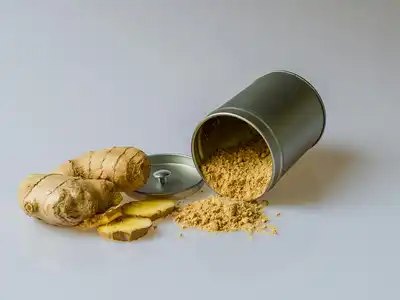
Can You Freeze Ginger?
Yes, you can freeze ginger successfully. Fresh ginger freezes remarkably well for 3 to 6 months, maintaining its spicy punch and health benefits throughout storage. You can freeze it whole with the peel still on, or prepare it ahead by slicing, grating, or even making frozen ginger cubes. One of the coolest tricks? Frozen ginger is actually easier to grate than fresh, and you can use it straight from the freezer without thawing for most recipes.
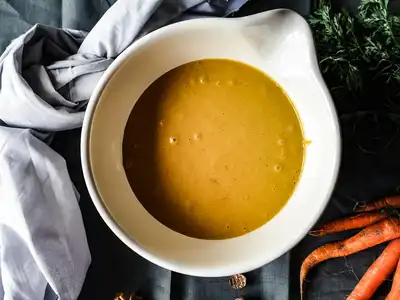
Can You Freeze Gravy?
Yes, you can freeze gravy, and it is a practical way to save a roast dinner for later. Cool it fast, freeze in small portions, and thaw in the fridge. Reheat until boiling hot and whisk smooth before serving.

Can You Freeze Soup?
Yes, soup freezes beautifully and is perfect for meal prep! Most broth-based soups maintain excellent quality when frozen for 2-3 months. Cream-based varieties need special handling since dairy can separate, but they're still freezable with proper technique. It's one of the easiest foods to store long-term.

Can You Freeze Cookie Dough?
Yes, cookie dough freezes remarkably well and actually benefits from it. Both homemade and store-bought varieties can be frozen for 2-3 months while maintaining quality. The freezer acts like a pause button, keeping your dough fresh until you're ready to bake those warm cookies whenever a craving strikes.
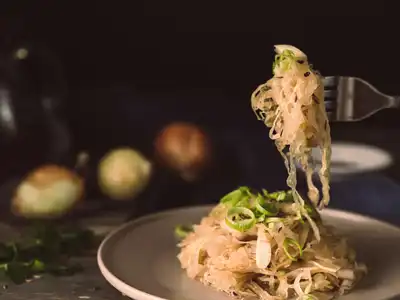
Can You Freeze Sauerkraut?
Yes, you can freeze sauerkraut for 8-12 months, though freezing reduces probiotic content and can soften the texture. It's best stored in the refrigerator where it keeps for several months while maintaining beneficial bacteria. Freeze only if you have excess that won't be consumed in time.