Complete archive
All Freezing Guides: Page 6
Browse all 130 research-backed guides, newest first. Showing 121–130.
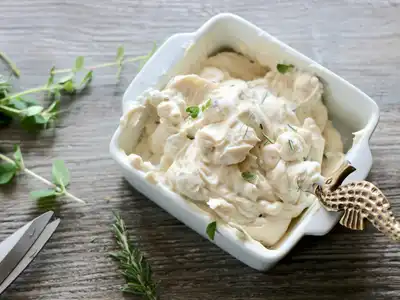
Can You Freeze Cream Cheese?
Yes - cream cheese freezing is safe but not ideal. Freeze only if you must, because thawed cream cheese turns crumbly and grainy. For safety, keep it fridge-cold at 40°F / 4°C, freeze at 0°F / −18°C, and follow country guidance: the USDA doesn't recommend freezing; the UK FSA gives no specific freezer time.

Can You Freeze Watermelon?
Yes - watermelon freezing works, with a caveat. Freeze seedless cubes or purée for smoothies, slushies, granita, and cocktails; expect softer texture after thawing. Keep cut melon at ≤40°F/4°C and freeze at 0°F/−18°C. Quality is best within months; safety at 0°F/−18°C continues indefinitely.

Can You Freeze Smoked Salmon?
Yes - smoked salmon freezes well for short periods. For best quality, wrap portions tightly, press out air, and freeze at 0°F (-18°C). In the fridge (40°F / 4°C), smoked fish keeps about 14 days unopened; in the freezer, quality holds ~2 months. Always follow label “use-by” dates.
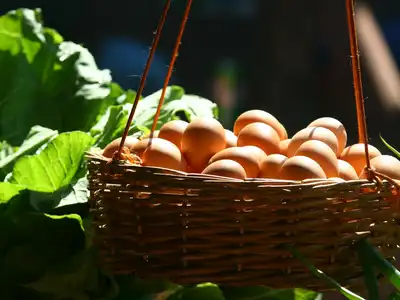
Can You Freeze Eggs?
Yes - you can freeze eggs for later, but never in their shells. Crack and lightly beat whole eggs, or freeze whites and yolks separately (treat yolks with a little salt or sugar). Freeze at 0°F / -18°C in airtight portions. Refrigerate shell eggs at 40°F / 4°C for 3–5 weeks.
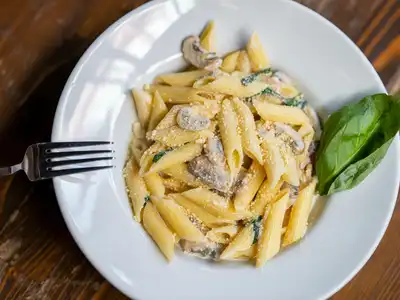
Can You Freeze Pasta?
Yes - cooked pasta freezes well. Cool it fast, portion into airtight bags, and freeze at 0°F (-18°C). For best quality, use within 1–2 months (U.S.) or about 3 months (UK). Stuffed shapes like ravioli and tortellini can also be frozen raw, uncooked, straight from the tray to the pot.
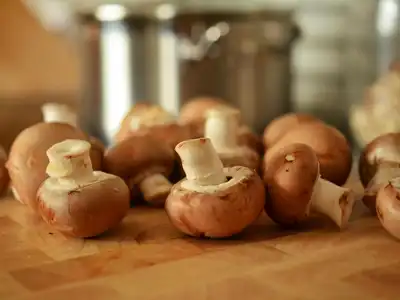
Can You Freeze Mushrooms?
Yes - you can freeze mushrooms. For best quality, clean and cook (steam-blanch or sauté), chill fast, then pack airtight and freeze at 0°F / -18°C. Thaw in the fridge (40°F / 4°C) and use in cooked dishes. Mushrooms freezing works best when you prep them before freezing.
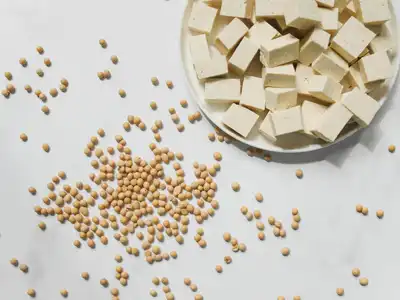
Can You Freeze Tofu?
Yes - tofu freezes safely and, for firm and extra-firm varieties, often improves for certain dishes because freezing gives it a chewier, spongier texture. Freeze water-packed tofu at 0°F / -18°C for best quality up to 5 months (USDA). In the UK, treat opened tofu like other chilled leftovers: keep ≤40°F / 4°C and use within a couple of days, or freeze for best quality within about 2 months.
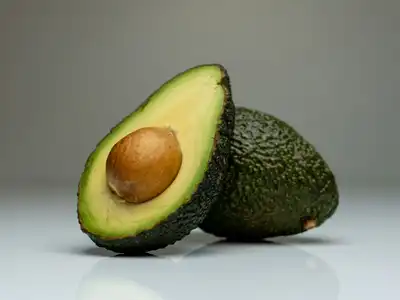
Can You Freeze Avocado?
Yes, avocado freezing is safe when done as a purée. Whole or sliced avocados tend to go mushy and waterlogged, so blitz the flesh with lemon/lime juice and freeze airtight at 0°F / -18°C. Expect texture changes after thawing; ideal for guac, smoothies, dressings, and baking.
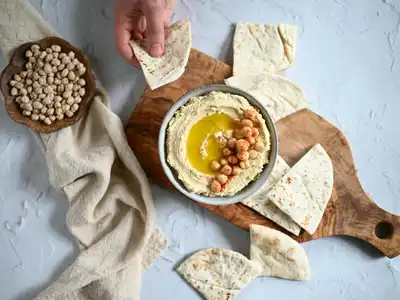
Can You Freeze Hummus?
Yes, you can freeze hummus. Portion it into airtight containers, leave headspace, and freeze at 0°F / -18°C. Thaw in the fridge (40°F / 4°C), stir to re-emulsify, and use promptly. Hummus freezing is an easy way to batch-cook, control portions, and cut waste while staying food-safe.

Can You Freeze Cheese?
Yes, most hard and semi-hard cheeses (cheddar, Swiss, gouda) can be frozen for later cooking. Keep them cold (40°F / 4°C), wrap tightly, and expect a slightly crumblier bite after thawing. Soft fresh cheeses (ricotta, cream cheese) don't freeze well. When in doubt, freeze grated portions - cheese freezing works best that way.