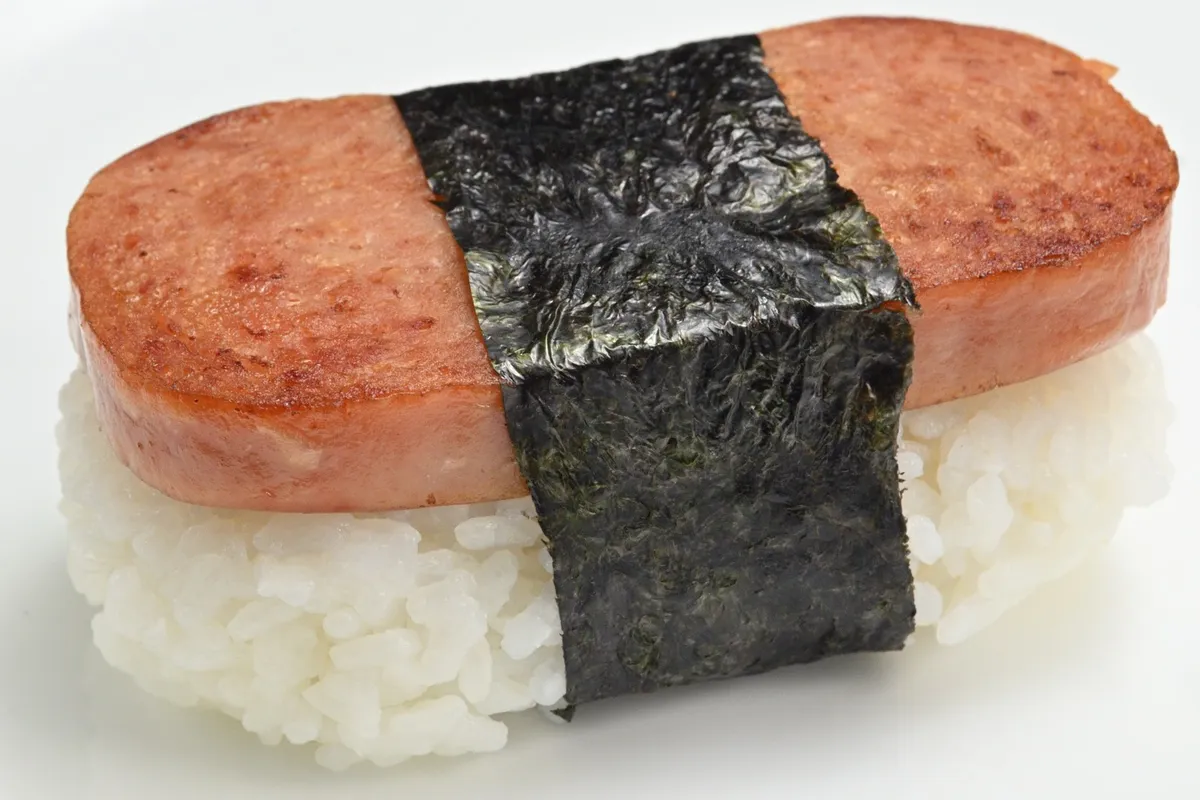
Official Storage Guidelines for Spam
🇺🇸 USDA Guidelines
🇬🇧 FSA Guidelines
Disclaimer: This information is provided for general guidance only. It is based on publicly available USDA and FSA recommendations at the time of publication. Storage times may vary depending on handling, packaging, and storage conditions. Always check official sources and use your best judgment to ensure food safety.
This guide contains Amazon affiliate links, marked ↗. If you buy through one, we may earn a commission at no extra cost to you. Learn more about affiliate links.
Frequently Asked Questions
Can you freeze Spam after opening the can?
Yes. Once opened, treat Spam as ready-to-eat luncheon meat rather than as a shelf-stable can. The US FoodSafety.gov cold-storage chart gives opened luncheon meat 3 to 5 days in the refrigerator and 1 to 2 months in the freezer for best quality.
Remove it from the can, cut useful portions and wrap them tightly. Separating slices with parchment lets you take out only what you need. Place the wrapped portions in a freezer bag and press out excess air.
Freeze it before the refrigerated limit expires. Freezing food that is already questionable does not make it fresh or safe again.
Can you freeze an unopened can of Spam?
Do not freeze an unopened can. Hormel explains that Spam products carry a best-by date on the bottom of the can, and the sealed product is designed for shelf storage. Freezing adds no useful preservation advantage.
Water in the contents can expand, stress the seams and alter texture. A can that is bulging, leaking, heavily rusted or deeply dented around a seam should not be opened or tasted.
Keep unopened cans in a cool, dry cupboard and rotate them by date. Open, portion and freeze the meat only when you actually have leftovers.
Can you freeze cooked Spam?
Cooked Spam freezes well enough for fried rice, noodles, breakfast hashes and casseroles. Cool it promptly, package it in meal-size portions and freeze within two hours, consistent with Food Standards Agency advice for cooked leftovers.
Expect crisp fried edges to soften in the freezer. Reheating slices in a dry skillet or air fryer restores browning better than a microwave, which tends to keep them soft.
For meal prep, freeze cooked cubes separately from wet ingredients. Add them to rice or other dishes during reheating so the pieces do not sit in sauce throughout thawing.
Can you cook Spam slices from frozen?
Thin, individually frozen slices can go directly into a skillet over moderate heat. Give them extra time and turn them as the surface thaws so the centre heats without scorching the outside.
A solid block is different. Thaw it overnight in the refrigerator before trying to separate or cut it; forcing a knife through frozen processed meat is unsafe and produces ragged portions.
Reheat cooked leftovers until steaming hot throughout. The UK Food Standards Agency advises reheating leftovers only once, so take out only the amount you will eat.
Spam Freezing and Storage Guide
Spam has two completely different storage states. The sealed can is shelf-stable and belongs in the cupboard. Once opened, the meat needs refrigeration and can be frozen just like other luncheon meat. If you are comparing breakfast proteins, bacon, ham and prepared eggs each need their own storage method.
Sealed Cans vs. Opened Spam
How to Freeze Spam in Portions
Slices are more useful than one frozen block. Interleave them, wrap them against air and freeze them flat in a reusable freezer bag(affiliate link, opens Amazon). That setup lets you remove a breakfast portion without thawing the rest.
Thawing and Reheating Frozen Spam
Frozen Spam keeps its salty, seasoned flavour, but previously crisp surfaces soften. Use a skillet, oven or air fryer when browning matters, and reserve microwave reheating for dishes where texture is less important.
Editor's Picks
Gear Worth Buying for Spam
Stasher Stand-Up Mid Reusable Silicone Bag (56 oz)
The reusable freezer-safe bag holds interleaved Spam slices flat and limits air exposure while keeping portions accessible.
Shop on AmazonRubbermaid Brilliance Airtight Food Storage Containers, 24-Piece Set
A complete, leak-proof set that covers nearly any portion size this guide calls for.
Shop on Amazon
As an Amazon Associate, we earn from qualifying purchases.
Important Safety Guidelines
- Do not freeze an unopened can. Store it according to the label and never freeze a bulging, leaking, badly dented or rusted can.
- Transfer leftover Spam out of the opened metal can and into a clean covered container.
- Refrigerate or freeze cooked Spam within two hours.
- Freeze slices with parchment between them if you want to remove one portion at a time.
- Thaw in the refrigerator or cook individual frozen slices directly in a hot pan.
- Reheat leftovers until steaming hot throughout and, under UK FSA guidance, reheat only once.
Key Safety Reminders
- Always label containers with freezing date
- Use airtight containers to prevent freezer burn
- Follow proper thawing procedures
You Might Also Like
Can You Freeze Bacon?
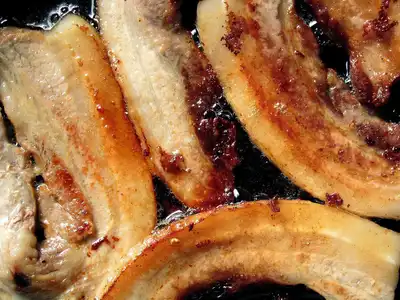
Yes, you can freeze bacon, both raw and cooked. Raw bacon holds best quality for about 1 month in the freezer (some producers say up to 4 months), while cooked bacon is good for about 1 month as well. That's a shorter window than most raw meats get, and it's not about bacteria - it's the high fat content slowly turning rancid, a chemical process freezing only slows, not stops. Bacon stays safe indefinitely at 0°F (-18°C); quality is what actually declines.
Can You Freeze Beef and Roast Beef?
Yes, you can freeze raw beef, cooked beef, and roast beef. Freeze raw roasts and other whole cuts for 4 to 12 months for best quality, while cooked beef is best within 2 to 3 months. Divide sliced roast beef with parchment, remove as much air as possible, and thaw it in the refrigerator so it stays juicy and safe.

Can You Freeze Chick-fil-A Nuggets?
Yes, you can freeze leftover Chick-fil-A nuggets. Chill them quickly, freeze in a single layer so they don't clump, then reheat in an oven or air fryer rather than a microwave to keep the breading from going soggy. Chick-fil-A doesn't publish its own freezing guidance, so this follows general USDA rules for cooked, breaded chicken.
Can You Freeze Chicken?
Yes, chicken freezes exceptionally well, whether it's raw or cooked, whole or in parts. A whole raw chicken holds good quality for up to a year at 0°F (-18°C), raw parts and pieces for about 9 months, and raw ground chicken for 3 to 4 months. Cooked chicken keeps for about 4 months, or up to 6 months if it's sitting in broth or gravy. Chicken is also one of the few foods where the USDA says freezing indefinitely never makes it unsafe - only less appetizing over time - as long as it stayed at 0°F the whole way through and was safe when it went in.
Sources & References
This information is based on official guidelines from trusted food safety authorities:
Cold Food Storage Chart
View Source →What is the shelf life of SPAM products?
View Source →Cooking your food
View Source →
About the Author

Disclaimer
The information on this website is provided for general informational purposes only. While we work to keep our food storage and freezing guides accurate and current, we are not food safety professionals, nutritionists, or medical experts, and our recommendations may not account for every individual circumstance, product type, or storage condition.
Always consult official food safety guidance (such as your national food safety agency) and use your own judgment before consuming stored or frozen food. CanIFreeze.com assumes no responsibility or liability for any loss, damage, illness, or other adverse outcome resulting from reliance on the information provided on this site.
CanIFreeze.com is a participant in the Amazon Associates Program, an affiliate advertising program designed to provide a means for sites to earn advertising fees by linking to Amazon.com and its affiliated sites. As an Amazon Associate we earn from qualifying purchases made through links on this site, at no extra cost to you. Product links are clearly marked where they appear.
Disclaimer date: