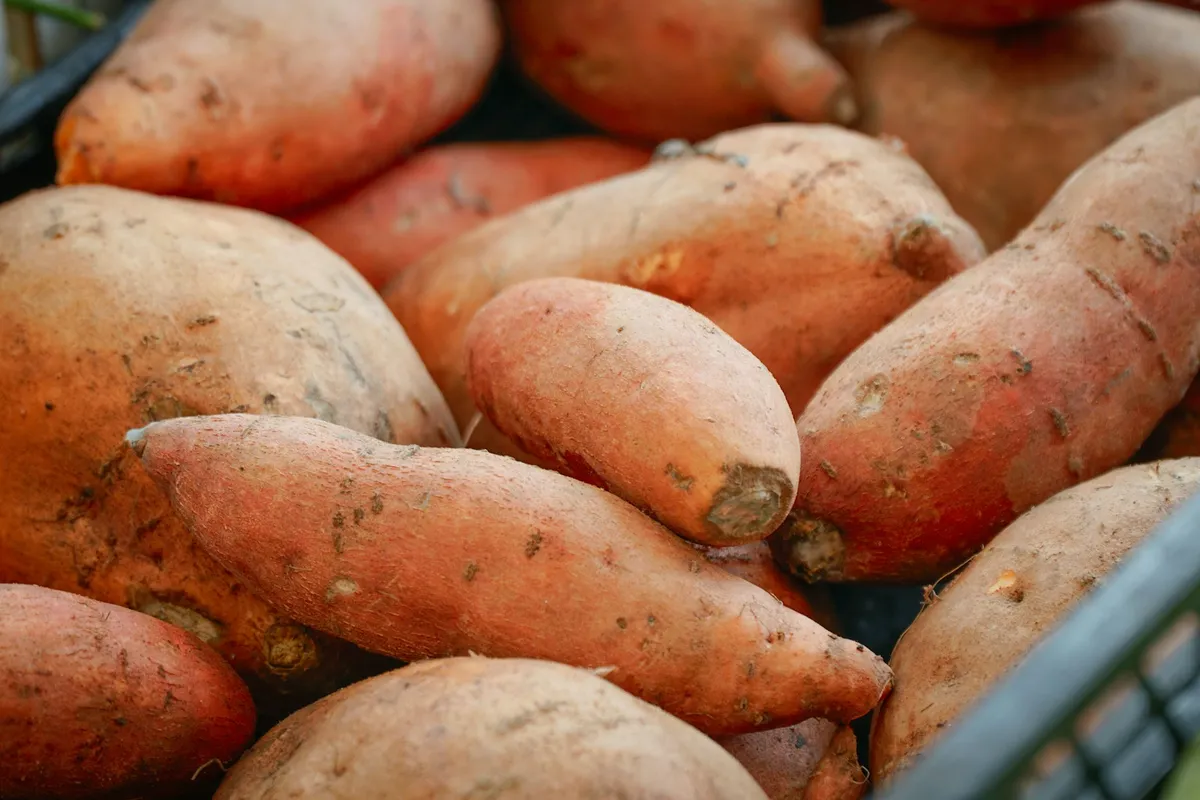
Official Storage Guidelines for Sweet Potatoes
🇺🇸 USDA Guidelines
🇬🇧 FSA Guidelines
Disclaimer: This information is provided for general guidance only. It is based on publicly available USDA and FSA recommendations at the time of publication. Storage times may vary depending on handling, packaging, and storage conditions. Always check official sources and use your best judgment to ensure food safety.
This guide contains Amazon affiliate links, marked ↗. If you buy through one, we may earn a commission at no extra cost to you. Learn more about affiliate links.
Frequently Asked Questions
What is the best way to freeze sweet potatoes for a specific dish?
Choose the form by the meal you intend to make. Freeze mash for the most forgiving texture, almost-tender slices or cubes for soup and casseroles, and par-cooked fries or wedges for dry-heat finishing. A whole baked potato is convenient but needs an oven finish if you want the skin dry again.
The National Center for Home Food Preservation does not recommend a raw-cube shortcut. Its tested method cooks cured sweet potatoes until almost tender before peeling, cutting or mashing. That treatment gives the starch a head start and limits the uneven texture and darkening associated with raw frozen pieces.
Label the form and portion, such as mash for two or cubes for curry, so you can take out the right amount without thawing the whole package.
Can you freeze raw sweet potatoes?
You can physically freeze them, but raw cubes are a poor shortcut. Freezing forms ice crystals that damage the cells, while enzymes can continue to affect color, flavor and texture during frozen storage. After cooking, unblanched raw pieces may be watery outside, firm inside and noticeably darker.
For dependable results, follow the National Center for Home Food Preservation method: cook cured, medium-to-large sweet potatoes until almost tender, cool, peel and cut or mash them. If your end goal is fries or wedges, par-cook the pieces first rather than putting raw pieces straight into a bag.
How do you freeze baked or mashed sweet potatoes?
For baked sweet potatoes, cook until slightly soft, cool, peel and wrap portions well. NCHFP's baked method wraps individual potatoes and finishes them in a 350°F (177°C) oven while still wrapped. If you prefer twice-baked potatoes, add the filling, cool completely and freeze the filled shells on a tray before wrapping.
Mash can be frozen in measured half-cup silicone trays(affiliate link, opens Amazon), portioned into a tight-lidded container or flattened in a freezer bag. Stirring 2 tablespoons of orange or lemon juice into each quart of mash helps prevent darkening. Dairy-rich mash generally reheats smoothly, but plain mash may need a splash of milk or stock after thawing.
How do you freeze sweet potato fries, cubes and wedges?
Cut pieces evenly and blanch, steam or bake them until partly tender. Drain and dry them thoroughly, coat fries or wedges lightly with oil if desired, then freeze in one layer on a rimmed half-sheet pan(affiliate link, opens Amazon) before bagging. Tray freezing keeps the pieces separate and reduces breakage.
Cook fries and wedges directly from frozen in a hot oven or air fryer. Do not crowd the basket or tray because escaping moisture needs room to evaporate. Cubes intended for soup, curry or casseroles can also go straight from the freezer into the dish.
How do you keep frozen sweet potatoes from turning dark?
Start with sound roots, cook them before freezing and limit their exposure to air. NCHFP recommends a 5-second dip for whole or sliced sweet potatoes in a mixture of 1/2 cup lemon juice to 1 quart water. Drain before packing.
For mash, use 2 tablespoons of orange or lemon juice per quart. The small amount of acid slows discoloration without making the dish taste sharply sour. Removing excess air from the package also reduces surface drying and oxidation.
Can you cook sweet potatoes directly from frozen?
Yes, especially fries, wedges, roasted cubes and portions of mash. High-heat items usually brown better from frozen because thawing releases water onto the surface. Add frozen cubes directly to soups and stews, allowing enough extra cooking time for the center to become tender.
Thaw whole baked sweet potatoes or large casseroles in the refrigerator when even heating is difficult. USDA says frozen leftovers can also be reheated without thawing; whichever route you choose, bring previously cooked leftovers to 165°F (74°C).
Sweet Potatoes Freezing and Storage Guide
Sweet potatoes reward a little preparation. Their high moisture content means raw pieces do not simply pause in perfect condition when frozen. Cooking inactivates quality-damaging enzymes and gives the starch a head start, producing a more even texture later.
For freshly harvested roots, cure them for at least a week, cook until almost tender, then cool, peel and freeze them as halves, slices or mash. Sweet potatoes need different preparation from white potatoes, so do not use a white-potato blanching time.
How to Freeze Sweet Potatoes
- Wash and sort sound, cured sweet potatoes by size.
- Boil, steam, pressure-cook or bake until almost tender.
- Cool, peel and cut into halves or slices, or mash.
- Use the citrus treatment in the safety notes if browning matters.
- Pack with 1/2 inch (1.25 cm) headspace, seal and freeze. Tray-freeze separate pieces first if you want pourable portions.
Best Method by Intended Use
Mash is the most forgiving option. Almost-tender slices and cubes suit soups, curries and gratins. Par-cooked fries and wedges are best cooked from frozen, when a hot surface can drive off moisture quickly. A plain baked sweet potato remains usable, although a crisp skin will need to be recreated in the oven rather than the microwave.
Freezing does not rescue a root that is already soft, moldy or decaying. It also does not make room-temperature leftovers safer. Get cooked sweet potatoes chilled or frozen promptly, then use the freezer for preservation rather than as a reset button.
Chill cooked sweet potato leftovers within 2 hours. If you are following UK guidance, eat them within 48 hours or freeze them. For the best texture, freeze freshly cooked portions rather than leftovers that have already spent a couple of days in the refrigerator.
Editor's Picks
Gear Worth Buying for Sweet Potatoes
Souper Cubes 1/2-Cup Silicone Freezer Trays, 2-Pack
Freezes mashed sweet potato in measured portions that can be reheated without thawing a full batch.
Shop on AmazonNordic Ware Naturals Baker's Half Sheet Pan
Provides a broad, rigid surface for freezing fries, wedges and cubes separately before bagging.
Shop on AmazonStasher Stand-Up Mid Reusable Silicone Bag (56 oz)
A premium, reusable stand-in for disposable freezer bags - freezer, oven, and dishwasher safe.
Shop on AmazonRubbermaid Brilliance Airtight Food Storage Containers, 24-Piece Set
A complete, leak-proof set that covers nearly any portion size this guide calls for.
Shop on Amazon
As an Amazon Associate, we earn from qualifying purchases.
Important Safety Guidelines
- Choose sound sweet potatoes and remove any decayed areas before cooking.
- Cook whole sweet potatoes until almost tender before freezing as halves or slices; freezing raw cubes is not the tested NCHFP method.
- To limit darkening, dip whole or sliced cooked sweet potatoes for 5 seconds in 1/2 cup lemon juice mixed with 1 quart water.
- For mash, mix in 2 tablespoons lemon or orange juice per quart if color retention matters.
- Cool cooked sweet potatoes promptly and pack them within 2 hours; refrigerate or freeze leftovers in shallow portions.
- Reheat cooked leftovers to 165°F (74°C).
Key Safety Reminders
- Always label containers with freezing date
- Use airtight containers to prevent freezer burn
- Follow proper thawing procedures
You Might Also Like
Can You Freeze Potatoes?
Yes, you can freeze potatoes, but raw potatoes don't freeze well due to their high water content causing mushy texture. The best approach is to blanch or fully cook them first. Properly prepared potatoes maintain quality in the freezer for 10-12 months when stored correctly.
Can You Freeze Mashed Potatoes?
Yes, you can absolutely freeze mashed potatoes for up to 10-12 months when stored properly. The key is adding plenty of butter and cream before freezing, which protects texture and prevents the potatoes from becoming watery or grainy. Just cool them completely first and use airtight containers.

Can You Freeze Carrots?
Yes, you can freeze carrots successfully, but blanching them first makes a huge difference in quality. Blanched carrots maintain their color, texture, and nutritional value for up to 12 months in the freezer. Raw frozen carrots work fine for soups and stews but should be used within 2-3 months.
Can You Freeze Casseroles?
Yes, most cooked casseroles freeze well for 2 to 3 months at peak quality, though university extension testing rates hearty combination dishes like lasagna and baked bean casseroles as good for up to 4 to 6 months when stored at a steady 0°F (-18°C). Cool them quickly in shallow portions, leave crisp toppings off until reheating, and expect potatoes, pasta, cream sauces, and soft vegetables to change texture. Thaw in the refrigerator or bake from frozen, and heat the center to 165°F (74°C).
Sources & References
This information is based on official guidelines from trusted food safety authorities:
Freezing Sweet Potatoes
View Source →Using, Storing and Preserving Sweet Potatoes
View Source →Leftovers and Food Safety
View Source →How to chill, freeze and defrost food safely
View Source →Cooking your food
View Source →
About the Author

Disclaimer
The information on this website is provided for general informational purposes only. While we work to keep our food storage and freezing guides accurate and current, we are not food safety professionals, nutritionists, or medical experts, and our recommendations may not account for every individual circumstance, product type, or storage condition.
Always consult official food safety guidance (such as your national food safety agency) and use your own judgment before consuming stored or frozen food. CanIFreeze.com assumes no responsibility or liability for any loss, damage, illness, or other adverse outcome resulting from reliance on the information provided on this site.
CanIFreeze.com is a participant in the Amazon Associates Program, an affiliate advertising program designed to provide a means for sites to earn advertising fees by linking to Amazon.com and its affiliated sites. As an Amazon Associate we earn from qualifying purchases made through links on this site, at no extra cost to you. Product links are clearly marked where they appear.
Disclaimer date: