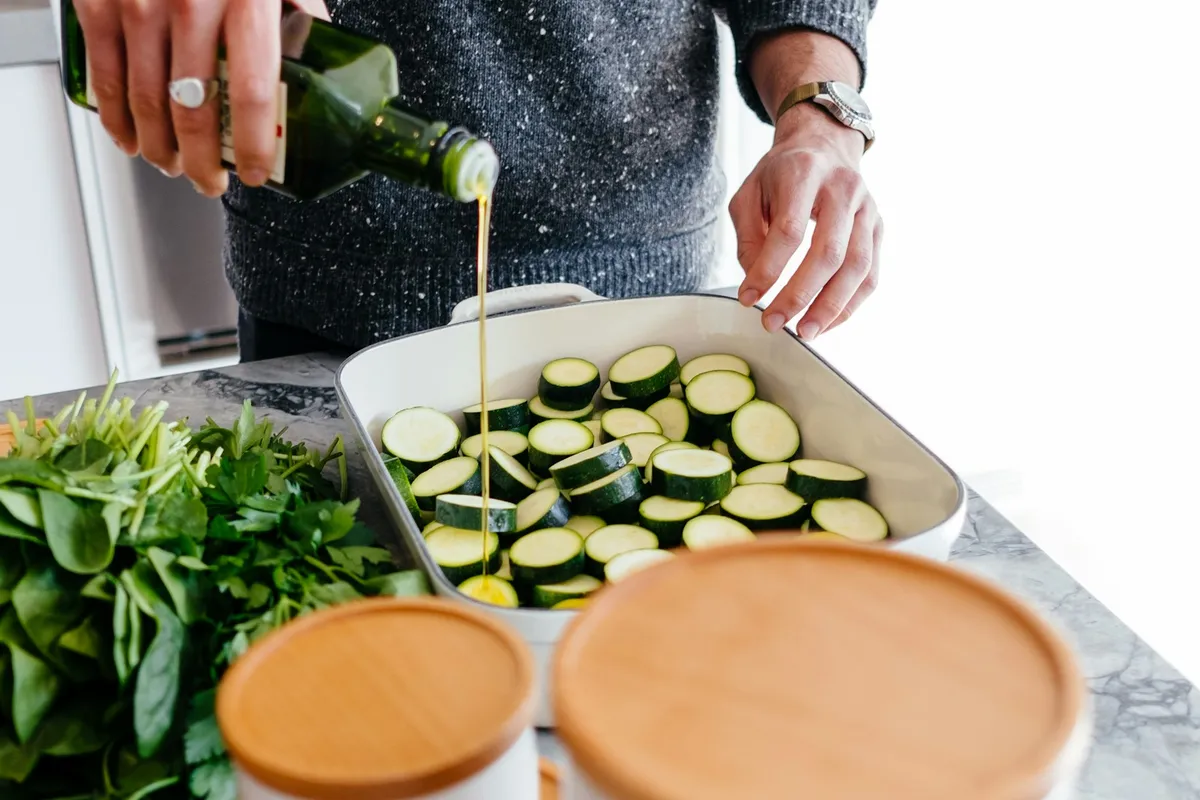
Official Storage Guidelines for Zucchini
🇺🇸 USDA Guidelines
🇬🇧 FSA Guidelines
Disclaimer: This information is provided for general guidance only. It is based on publicly available USDA and FSA recommendations at the time of publication. Storage times may vary depending on handling, packaging, and storage conditions. Always check official sources and use your best judgment to ensure food safety.
This guide contains Amazon affiliate links, marked ↗. If you buy through one, we may earn a commission at no extra cost to you. Learn more about affiliate links.
Frequently Asked Questions
Which zucchini freezing method should you choose?
Use the cut and final dish to decide. Water-blanch 1/2-inch slices for visible pieces in soups, sautés and casseroles. Steam-blanch grated zucchini for baking. Freeze roasted pieces when convenience matters most, and reserve an unblanched raw pack for blended dishes where texture is irrelevant.
The National Center for Home Food Preservation gives separate instructions for slices and grated zucchini. Thin shreds absorb water and overcook in a boiling-water blanch, while thick slices need more heat than a brief steam treatment provides.
Freeze one serving of zoodles first. If it thaws too soft for your taste, grate the rest for baking instead.
Can you freeze zucchini without blanching?
Yes, with a qualification. Raw zucchini will freeze, but freezing alone does not stop the enzymes that alter vegetable color, flavor and texture. It also contains a great deal of water, so thawed raw pieces become soft. Use this shortcut only for a modest amount destined for blended soup, sauce or another dish where texture does not matter.
For a garden harvest or storage approaching a full season, blanching is the better method. The National Center for Home Food Preservation specifies 3 minutes in boiling water for 1/2-inch slices. Utah State University Extension says properly packaged frozen zucchini keeps high quality for about 10 months.
How do you freeze shredded zucchini for baking?
Wash and grate young zucchini. Steam-blanch small quantities for 1 to 2 minutes, just until translucent, then pack the amount called for by your usual zucchini bread or muffin recipe. A half-cup silicone freezer tray(affiliate link, opens Amazon) works well when recipes use measured portions. Leave 1/2 inch headspace and cool the container in cold water before sealing and freezing.
Thaw it in the refrigerator over a bowl. NCHFP says to discard the liquid if the zucchini is watery after thawing. If your recipe was developed around fresh zucchini and deliberately counts its liquid, note the drained weight so you can add back only what the batter needs. This is more predictable than tipping all the purge into the bowl.
Can you freeze zoodles?
You can, but zoodles are the least forgiving form. Their large cut surface and thin shape mean they thaw limp and release water quickly. Freeze them only if you plan to stir them briefly into soup, sauce or a hot skillet, not if you want springy raw-style noodles.
Salted zoodles should be squeezed and dried before tray freezing; unsalted zoodles should also be patted very dry. Freeze nests in one layer, then transfer them to an airtight bag. Cook from frozen over high heat in small batches so released moisture evaporates instead of pooling.
Can you freeze cooked or roasted zucchini?
Yes. Cool cooked zucchini promptly, tray-freeze pieces if you want them separate, then pack airtight. Roasted pieces hold up better than boiled ones because they begin with less surface water, but both will be softer when reheated.
Reheat roasted zucchini from frozen in a hot oven or air fryer. Thawed sautéed zucchini is better folded into pasta, soup, frittatas or casseroles than served as a stand-alone side. Season after reheating if released moisture has diluted the flavor.
How do you drain thawed zucchini?
Put thawed slices or shreds in a colander over a bowl and let gravity remove the loose water. For shredded zucchini, press gently with the back of a spoon or gather it in a clean towel and squeeze only until it stops dripping. Aggressive squeezing can leave dry fibers behind.
NCHFP explicitly says to discard liquid from watery thawed grated zucchini. For soup or sauce, you can keep it because extra liquid is harmless. For quick breads, fritters and pancakes, draining is usually necessary to avoid a gummy center.
Zucchini Freezing and Storage Guide
Zucchini freezes for cooking, not for recreating a crisp summer squash. Ice crystals rupture its water-filled cells, so the thawed vegetable is inevitably softer. The useful choice is therefore not simply raw versus blanched; it is matching the cut to what you will cook later.
Slices and chunks benefit from a 3-minute water blanch. Grated zucchini has its own tested method: steam it for 1 to 2 minutes until translucent and freeze it in recipe-size quantities. That distinction prevents shredded zucchini from absorbing unnecessary boiling water.
How to Freeze Zucchini Slices or Chunks
- Wash young, firm zucchini and cut it into uniform 1/2-inch slices, half-moons or chunks.
- Water-blanch for 3 minutes, starting when the water returns to a boil.
- Cool immediately in ice water for 3 minutes and drain very thoroughly.
- Freeze in one layer on a rimmed half-sheet pan(affiliate link, opens Amazon) until firm, then transfer the pieces to an airtight freezer bag. Tray freezing lets you pour out only what a recipe needs.
Raw, Blanched or Cooked: The Practical Verdict
Blanch for long-term storage and for visible pieces. Freeze raw only for short-term use in blended or slow-cooked dishes. Freeze roasted zucchini when you want the easiest reheating, accepting that it will be softer than it was from the oven.
Zoodles are a special case. They are convenient frozen in nests but will not retain an al dente bite. Keep them frozen until the pan is hot and cook briefly, giving steam somewhere to escape.
For the best color and flavor, use properly blanched zucchini within about 10 months. Keep the package tightly sealed, and discard thawed zucchini that smells fermented, feels slimy or shows mold.
Editor's Picks
Gear Worth Buying for Zucchini
Nordic Ware Naturals Baker's Half Sheet Pan
Keeps blanched slices, roasted pieces and zoodle nests apart during the initial tray freeze.
Shop on AmazonSouper Cubes 1/2-Cup Silicone Freezer Trays, 2-Pack
Portions shredded zucchini by volume for bread, muffins and fritters before it reaches the freezer.
Shop on AmazonStasher Stand-Up Mid Reusable Silicone Bag (56 oz)
A premium, reusable stand-in for disposable freezer bags - freezer, oven, and dishwasher safe.
Shop on AmazonRubbermaid Brilliance Airtight Food Storage Containers, 24-Piece Set
A complete, leak-proof set that covers nearly any portion size this guide calls for.
Shop on Amazon
As an Amazon Associate, we earn from qualifying purchases.
Important Safety Guidelines
- Use young, tender zucchini without soft spots or decay; wash before cutting.
- Water-blanch 1/2-inch slices for 3 minutes, then cool in ice water for the same time.
- Steam-blanch grated zucchini in small batches for 1 to 2 minutes, until translucent; cool the packed container in cold water.
- Drain blanched zucchini thoroughly before freezing to limit surface ice.
- Freeze grated zucchini in the exact amount your baking recipe uses and drain released liquid after thawing.
- Keep frozen zucchini at 0°F (-18°C) or below.
Key Safety Reminders
- Always label containers with freezing date
- Use airtight containers to prevent freezer burn
- Follow proper thawing procedures
You Might Also Like
Can You Freeze Tomatoes?
You can freeze tomatoes, but expect a softer texture after thawing. Freeze them whole, chopped, or as a quick puree for sauces, soups, and stews. Pack airtight, label, and keep your freezer at 0°F (about minus 18°C) for best quality.
Can You Freeze Cucumbers?
Yes, you can freeze cucumbers, but manage your expectations. Raw slices thaw limp because cucumbers are ~95% water. For best results, freeze them as puree, shredded for freezer pickles/slaw, or in ice-cube portions for smoothies and cold soups. Keep fridge at 41°F/5°C and freezer at 0°F/−18°C.
Can You Freeze Pasta?
Yes - cooked pasta freezes well. Cool it fast, portion into airtight bags, and freeze at 0°F (-18°C). For best quality, use within 1–2 months (U.S.) or about 3 months (UK). Stuffed shapes like ravioli and tortellini can also be frozen raw, uncooked, straight from the tray to the pot.
Can You Freeze Casseroles?
Yes, most cooked casseroles freeze well for 2 to 3 months at peak quality, though university extension testing rates hearty combination dishes like lasagna and baked bean casseroles as good for up to 4 to 6 months when stored at a steady 0°F (-18°C). Cool them quickly in shallow portions, leave crisp toppings off until reheating, and expect potatoes, pasta, cream sauces, and soft vegetables to change texture. Thaw in the refrigerator or bake from frozen, and heat the center to 165°F (74°C).
Sources & References
This information is based on official guidelines from trusted food safety authorities:
Freezing Summer Squash
View Source →How to Preserve Zucchini
View Source →Home Food Storage
View Source →How to chill, freeze and defrost food safely
View Source →
About the Author

Disclaimer
The information on this website is provided for general informational purposes only. While we work to keep our food storage and freezing guides accurate and current, we are not food safety professionals, nutritionists, or medical experts, and our recommendations may not account for every individual circumstance, product type, or storage condition.
Always consult official food safety guidance (such as your national food safety agency) and use your own judgment before consuming stored or frozen food. CanIFreeze.com assumes no responsibility or liability for any loss, damage, illness, or other adverse outcome resulting from reliance on the information provided on this site.
CanIFreeze.com is a participant in the Amazon Associates Program, an affiliate advertising program designed to provide a means for sites to earn advertising fees by linking to Amazon.com and its affiliated sites. As an Amazon Associate we earn from qualifying purchases made through links on this site, at no extra cost to you. Product links are clearly marked where they appear.
Disclaimer date: